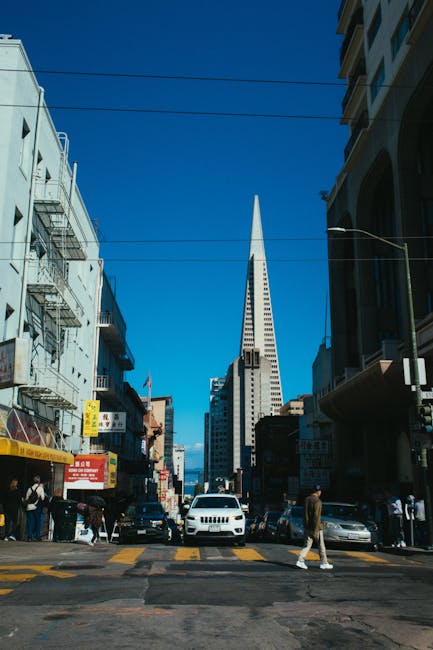
Autonomous vehicles promised urban liberation but delivered rush hour purgatory when the lights went out.
I remember standing in a Las Vegas parking lot in 2020 watching a self driving prototype circle endlessly because someone had drawn a chalk smiley face on the asphalt. The engineers looked like parents whose toddler just threw mashed peas at a Michelin starred chef. Fast forward to last weekend's San Francisco blackout, where Waymo's entire fleet transformed from cutting edge mobility solution to several thousand pounds of dead weight blocking intersections citywide. The hazard lights blinking in unison were like synchronized distress signals from the future we were all promised versus the one we actually live in.
Let's be clear, this wasn't a one off glitch. This was a crystal clear demonstration of why technologists keep failing Humankind 101. The same people who lecture us about disruption from their bug free virtual offices apparently forgot that electricity has a habit of, shall we say, taking vacations in infrastructure systems older than their founding engineers. Watching videos of commuters trying to push robotic Priuses out of intersections felt like witnessing Greek mythology rebooted for the gig economy age, where Sisyphus now drives Uber.
Three fundamental truths emerged sharper than Elon Musk's next big idea the morning after a bender. First, the regulatory theater around autonomous vehicles resembles a school play where everyone forgets their lines midway through Hamlet. California gave these things the green light faster than a high school principal rushing to approve STEM field trips. Remember when Boeing pushed the 737 MAX through certification with technical documentation thinner than airline seat fabric? We're watching the transportation industry version 2.0 unfold, but with marginally smarter chatbots.
Second, the trivialization of infrastructure has consequences. Texas froze over in 2021 because energy executives thought climate controlled Texans wouldn't notice their deregulated house of cards collapsing. San Franciscans now need printed maps showing where the power grid predates Haight Ashbury's Summer of Love. We keep building digital rockets aimed at Mars while ignoring the potholes swallowing entire Toyotas on Earth. The road sensors determining whether your robo taxi chooses life over death probably share bandwidth with a 1990s era parking meter updated via floppy disk.
Third, the cult of infinite corporate problem solving deserved this spectacular wedgie. Tech giants love deploying beta products disguised as finished goods. Remember when Zuckerberg insisted humans would conduct business meetings in cartoonish VR boardrooms by now? Alphabet keeps presenting Waymo as the inevitable future while quietly steering regulators around inconvenient truths like, say, rainstorms confusing their laser sensors or electrical grids behaving like electrical grids. They've crafted language calling these systemic vulnerabilities rare edge cases, which roughly translates to 'problems we'll fix after your Series C funding clears.'
This incident's human cost extends beyond gridlocked commuters. Think about small business shipments rotting in trucks blocked by empty robotaxis. Service workers losing hours of pay because their buses got stuck behind conga lines of driverless cars performing safety pirouettes. Parents who skipped autonomous rides for legitimate safety concerns now feeling vindicated through gritted teeth. Investors who believed engineers had solved for every variable are suddenly Googling public utility risk disclosures instead of whatever moonshot CEOs pitched last earnings call.
Corporate responses followed the standard crisis playbook written for companies whose break room espresso machines cost more than emergency preparedness budgets. A Waymo spokesperson promised service would resume shortly after 3:30 PM with that trademark calm engineers mistake for competence. But anyone whose watched a dozen startups flame out recognizes the trembling beneath the jargon. No mention of why the vehicles couldn't reboot, copilot humans remotely like defense drones do daily, or detect an unpowered intersection more effectively than my sleep deprived neighbor backing out of her driveway.
Compare this to last year's Panama Canal drought. Global shipping companies reshuffled entire logistics chains when simple things like rain clouds failed to materialize. They adapted precisely because no algorithm promised immunity from nature's whims. Waymo treated urban infrastructure challenges like quantum computing puzzles rather than the maintenance nightmares cities beg them to solve. This hubris is why five years from now, we'll be dodging whatever flying cars Silicon Valley invents before teaching them that birds exist.
San Francisco's leadership deserves honorary clown status too. The mayor's office needed hours to notice that Waymo cars operating under their permits were performing asphalt acupuncture across downtown. Their brilliant plan? Calling the company to suggest they press pause as politely as dinner guests informing hosts about a smoking oven. Contrast this to how New York City treats malfunctioning street vendor carts. A fleet of roving haulers would've cleared those Waymo obstacles faster than dogs lick peanut butter, with considerably less bureaucracy.
This blackout story teaches a crucial business lesson digitally native founders often ignore, citing a law schools haven't recognized yet called disruptology. Society needs technologies that bend toward reality rather than demanding reality conform to their limitations. Cities are chaotic organic ecosystems where streetlights flicker, construction appears overnight like mushroom rings, and jaywalking grandmothers outrank traffic algorithms armed with PhDs. Until self driving systems handle these variables with West Coast optimism, we'll keep witnessing four wheeled supercomputers reintroduced to the concept of stop.
The promise remains tantalizing. Few things terrify me more than watching teenagers drive pickup trucks while TikTok streaming. But selling autonomy as a finished product before it master's kindergarten level improvisation destroys public trust faster than autonomous hedge funds. The road to innovation is littered with Segway bodyguards and Juicero squeeze machines. Unless engineers start humbly collaborating with urban planners, utility workers, and that guy who rebuilds carburetors behind the 7 Eleven, our cities will become open air tech graveyards adorned with very expensive tombstones blinking hazard lights.
My phone just suggested a memory from five years ago today, when Waymo released footage of their cars navigating desert roads. Those smooth test runs resemble Olympic swimmers practicing for competitions held exclusively in bathtubs. Meanwhile in San Francisco, we've learned that when real world storms hit with real world stakes, everyone becomes backup dancers in a ballet titled 'Oops.' Investors looking for clues about sustainable innovation should follow the tow trucks, not the hype trucks.
 By Daniel Hart