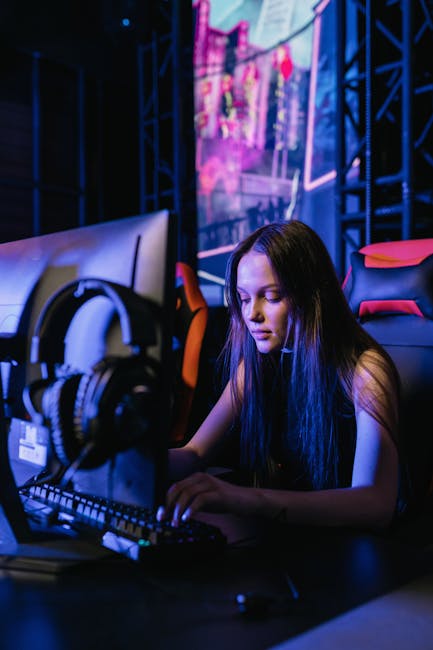
Gamers brace for another round of hype and heartbreak
I still remember the exact moment my childhood gaming innocence died. It was October 2001. I'd saved allowance money for six months, circling release dates in my dog eared GamePro magazine like they were religious holidays. The big one Duke Nukem Forever. The ads promised revolutionary AI, destructible environments, and enough macho one liners to make Arnie blush. We all know how that turned out. Fourteen years later, it arrived as a glitchy museum piece, a parody of itself before the first level loaded. Now here we are in 2025, watching the same cycle spin faster than a Soulsborne boss fight. Next year's lineup looks shiny through the prism of carefully edited trailers, but gamers eyeing 2026 releases with breathless excitement might as well be preordering rainchecks.
Let's state the obvious first. Video game marketing operates on the same principles as carnival barkers and Nigerian prince emails. They dazzle you with impossible visuals, tickle your nostalgia glands, then pray you forget their track record by launch day. This isn't cynicism talking. It's basic math. Of the ten blockbuster titles originally slated for 2025, exactly three hit their release windows without significant delays or downgrades. One shipped with multiplayer servers that caught fire literally. Scalding angry gamers isn't great for retention metrics.
The hype train accelerates dangerously around events like The Game Awards, which increasingly resembles a Times Square billboard auction with better lighting. Notice how certain trailers always land in prime slots regardless of crowd reaction. That glowing space opera everyone cheers might get shuffled to midday, while the generic live service shooter nobody asked for somehow closes the show. This isn't accident or artistic preference. It's checkbook showmanship, plain and simple. Publishers bid for airtime like it's Sotheby's, prioritizing visibility over creative merit. When dollars decide visibility, gamers lose. Every time.
Peel back the cinematic trailers and paid influencer squeals, and 2026's real story emerges in quieter corners. While everyone oohs over GTA VI's inevitable delay (Rockstar couldn't hit a release window if it was the size of Rhode Island), smaller studios are quietly revolutionizing play itself. Consider the unexpected rise of midsize studios like Geometric Interactive. Their recent hit Viewfinder delivered more genuine innovation in four hours than most AAA franchises muster across entire trilogies. Budget independent studios now consistently outperform corporate behemoths in both review scores and profit margins per dollar invested. Yet financial analysts keep pretending the industry revolves around whichever tired franchise is getting its ninth reboot.
There's a delicious hypocrisy in mega publishers bemoaning rising development costs while simultaneously greenlighting projects with Hollywood A list voice casts and custom engine builds requiring 500 person teams. The most anticipated Tomb Raider reboot yet announced recently features Oscar winners mo capping villain monologues. Lovely. Can't wait to hear another gravelly British baddie explain nuclear codes while Lara dual wields pickaxes. None of this spectacle actually improves gameplay. It just balloons budgets until anything less than ten million sales equals failure. This isn't sustainable. It's creative bankruptcy disguised as ambition.
Where does this leave ordinary gamers staring at preorder pages? Cynical but hopeful, mostly. We've entered gaming's equivalent of the streaming wars, where content floods everywhere while quality control drowns. Your ten year old nephew could name fifty upcoming games, but only three will leave cultural footprints. For every Baldur's Gate 3 that exceeds expectations, five Forspokens face plant spectacularly. This volatility affects real people beyond disappointed late night play sessions. Developers endure brutal crunch cycles chasing unrealistic deadlines. Retail employees juggle midnight release cancellations. Parents field teary requests for vaporware birthday presents.
Regulatory bodies sleepwalk through these issues. No other entertainment medium tolerates bait and switch practices as routine. Imagine movie studios releasing trailers with entirely different actors than the final film. Or publishing houses selling novels where every third chapter exists only in outline form, with completion updates TBD. Gamers accept this dysfunction as normal, conditioned through decades of broken launch day promises. Until the FTC starts treating phantom footage as false advertising, or EU courts penalize endless delays as consumer fraud, the circus continues. Investor calls will still prioritize shareholder optics over player satisfaction.
Historical context helps neither. The same studios currently hyping 2026 releases swore blind that COVID delays would create healthier workflows. Instead, management used extended timelines to cram more features in, repeating the cycle. Remember when CD Projekt Red said Cyberpunk 2077 needed more polish? Turns out they meant Keanu Reeves needed more commercial spots, not that cops should stop spawning inside dumpsters. Publishers learned nothing except how to monetize apologies via cosmetic DLC.
Amidst the AAA clown show, indie developers thrive precisely because they communicate honestly. When a three person studio says their passion project launches next autumn, they mean it. No corporate reshuffles. No last minute engine swaps to chase graphical fads. This authenticity fosters trust, which explains why indie showcases now generate more genuine buzz than E3 ever did. Gamers might fantasize about photorealistic dragons, but they build loyalty around transparent creators.
So will 2026 deliver gaming bliss? Probably not. But something beautiful emerges from the chaos anyway. While marketing departments flail, actual players increasingly define success on their own terms. Speedrunners crack games open like oysters finding unexpected joys. Modders fix outdated design flaws for fun. Grandparents bond with grandkids over quirky cooperative indies major studios would never greenlight. The medium survives not through splashy trailers but through those quiet living room moments where technology disappears and pure play takes over. That magic never needs patching.
My advice for 2026 Greet each flashy announcement with polite applause, then watch what indie teams announce on itch.io next week. Keep expectations lower than a limbo championship, but stay open to surprise. Game delays always come. Great games find their moment, when they're ready. As for an Onimusha revival beating God of War sales records… well, you never know your luck. Just maybe don't schedule vacation days around it.
 By Thomas Reynolds