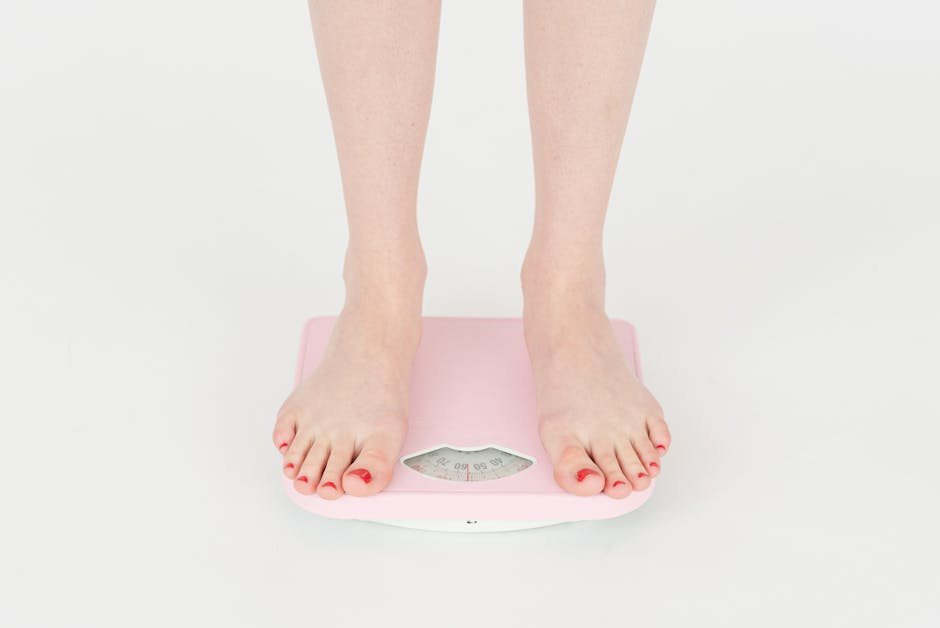
Public scrutiny turns personal health journeys into entertainment content
Let's talk about the elephant in the glittery K-Pop practice room. You know the one. The one draped in sequined stage outfits two sizes too small, surrounded by mirrors, whispering that worth is measured in jawline sharpness and the space between thighs. This week, the spotlight swung back onto this tired but persistent conversation when a veteran idol's weight fluctuations became breaking news.
The rhythm is sickeningly familiar. Idol gains weight. Fans gasp. Idol pledges vegetable based penance. Idol posts triumphant slimdown selfies. Fans cheer. Repeat until retirement. We pretend this is normal. We pretend it's healthy. We pretend this spectacle isn't fundamentally messed up.
Remember the collective fan forum meltdown when this artist initially revealed she'd gained 22 pounds? The genuine concern. The performative outrage. The bizarrely detailed analyses of jawline softness. Now those same spaces overflow with congratulatory emojis and 'slay queen' comments. I've been there myself. As a longtime K-Pop fan, I've shamefully participated in those 'concerned' discussions about an idol's changing face shape. It took years to realize this wasn't affection. It was surveillance.
Here's what nobody admits. Her weight loss announcement wasn't casual wellness chat. It was strategic professional communication. Notice how she carefully linked her transformation to upcoming projects. A comeback. A YouTube channel. This isn't personal growth. It's brand repositioning. We've witnessed a body being drafted into a marketing campaign.
This reveals entertainment's dirty secret. A female artist's body is never fully hers. It belongs to stylists who zip her into costumes, to companies investing in her marketability, to fans who demand visual consistency. Male idols face body scrutiny too, but with different rules. Bulk up for masculinity points. Get cheeky about 'dad bods' during hiatuses. Their fluctuations become charming quirks, not professional liabilities.
Western pop culture isn't innocent either, but the K-Pop machinery operates with terrifying efficiency. Trainees reportedly step on scales daily. Some companies allegedly impose contractual weight limits. Weight checking happens like roll call. One former idol described being given ice chips when hungry. Another received praise for 'looking like air' when lifted by dancers. This creates ecosystems where an artist casually mentions eating only vegetables and we nod instead of flinching.
The human cost extends beyond artists. Consider teenagers scrolling through these 'transformation' updates. A recent Seoul National University study found K-Pop fans show higher rates of body dissatisfaction than non fans. When every 'you look great now!' comment validates drastic change, we reinforce dangerous ideas. We teach that approval comes conditionally after shrinking.
There's historical context too. K-Pop's beauty standards didn't emerge from vacuum. They're rooted in Korea's competitive society where resumes include height and weight, where job candidates send headshots for minimum wage positions. When a third grader tells her mother she needs eyelid surgery to succeed, we should recognize these idols aren't creating beauty standards. They're drowning in them.
This isn't about shaming individual choices. If someone wants to lose weight for their health or confidence, fantastic. The problem arises when we position it as professional requirement. When we treat an artist's body like public property up for debate. When 'comeback preparation' becomes code for 'getting camera ready.'
Remember second generation groups promoting while clearly exhausted? Third generation idols apologizing for 'looking bloated' onvlives? Now fourth gen artists receive real time comments about 'cheek fat' during broadcasts. The scrutiny intensifies with each generation. What's next. Requiring waist measurements in album credits.
The solution isn't simple, but awareness is starting point. We can choose not to discuss idols' bodies like they're sports statistics. We can praise artistry over appearance. We can question why comeback preparation always involves physical transformation. Fans transformed Tiffany Young's 'you look fat' comments into body positivity support during her solo debut. That's progress.
This veteran idol's situation particularly stings because she helped define K-Pop's 'sexy concept' era. To see her still battling body expectations decades later reveals how little has changed. True freedom isn't swapping one body type for another. It's existing without public scorekeeping. Until then, these weight loss headlines aren't victories. They're alarm bells dressed in sequins.
 By Rachel Goh