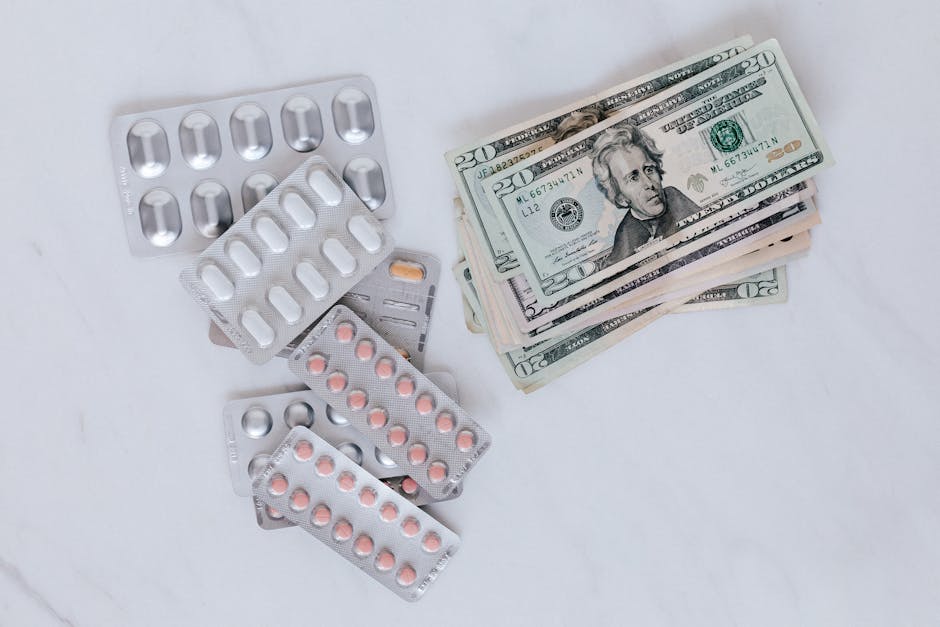
Brave new cures meet broken old systems in America's pharmaceutical morality play.
I remember the exact moment America's healthcare stopped pretending to be about healing. It was 2015, when Martin Shkreli hiked the price of Daraprim by 5000%, smirking through congressional hearings like the villain in a bad bond movie. We thought that was peak greed. How sweetly naive we were. Today, watching parents beg for million dollar cures while insurance companies play moral roulette feels less like outlier villainy and more like standard operating procedure. Welcome to healthcare’s subprime mortgage era.
Consider Maisie. Doctors told her mother she wouldn’t live to see kindergarten without a gene therapy called Zolgensma. That therapy exists, works, and carries a sticker price roughly equivalent to buying two beachfront properties in Malibu. Maisie’s insurer looked at that math and decided sandcastles weren’t in the budget. This isn’t an accident of capitalism. It’s arithmetic cruelty by design.
Let’s dismantle the pharmaceutical industry’s favorite fairy tale: that these astronomical prices reflect astronomical innovation costs. Doug Ingram at Sarepta Therapeutics would have you believe his $3.2 million muscular dystrophy treatment represents some heroic financial Everest. Never mind that 65% of early stage biotech research gets taxpayer funding through NIH grants. Never mind that most of these companies didn’t start crying about manufacturing costs until after their IPO roadshows bragged about profit margins that would make Saudi Aramco blush. I’ve reviewed enough SEC filings to notice something interesting. These companies consistently spend more on stock buybacks in their first five profitable years than they do on R&D in their first decade of existence. The math isn’t complicated. It’s just conveniently ignored.
Now observe where the financial buck gets passed. Jonathan Gruber, Obamacare’s architect, warns of a “tsunami” threatening employer insurance plans. He’s not wrong, but he’s diagnosing symptoms, not disease. When Mike Poore at Mosaic Life Care faced employee twins needing $4.2 million treatment, his non profit hospital system chose corporate preservation over human lives. They denied coverage, triggering death threats and a scramble for Medicaid charity. Poore’s ethical quandary was real. His premise was false. This isn’t some unavoidable Sophie’s Choice between business solvency and employee survival. It’s the predictable result of letting medical pricing become completely untethered from economics, morality, or common sense.
Three quieter scandals lurk beneath these headlines. First, the gross corporate structuring that lets pharma companies claim poverty while funneling profits into patent holding subsidiaries based in Bermuda mailbox offices. Second, the FDA’s orphan drug program, intended to incentivize rare disease research, now functions as a luxury yacht dealership for billion dollar corporations. Third, America’s refusal to allow Medicare drug price negotiations creates gravity zero conditions where any attempted justification floats, no matter how nonsensical. I’ve watched CEOs explain that charging more per patient than the median American home costs represents some noble struggle. Only in healthcare could executives argue that exploiting desperation constitutes financial innovation.
The most perverse twist involves who actually pays. When Medicaid finally covered those Missouri twins, taxpayers unwittingly became pharma’s venture capitalists. The companies get immediate cash, shedding all development risk, while society carries the long term burden. This mimics Wall Street’s pre 2008 shell game with mortgage bonds. Create complex products, sell them to those least equipped to refuse, then offload the fallout onto public balance sheets when the math implodes. The only difference being this time, the underlying assets aren’t adjustable rate mortgages, but children’s lives.
No one argues these therapies aren’t miraculous. Watching Duchenne muscular dystrophy patients gain mobility, or SMA children avoid ventilators, feels biblical. That’s precisely why their pricing reveals our priorities so starkly. We’ve constructed a system where sunlight cures sometimes come with perpetual midnight costs. Pharma executives will tell you they’re building bridges to salvation. In reality, they’re building toll booths across the River Styx, collecting gold coins before letting souls cross to safety.
Solutions aren’t impossible, just inconvenient. Medicare negotiation authority remains the elephant in every healthcare reform room. Reference pricing, where U.S. costs get pegged to international averages, could prevent America from subsidizing global healthcare while bankrupting our citizens. Patent reforms could prevent weaponizing exclusivity beyond reasonable recoupment periods. None of these require reinventing capitalism, just imposing the guardrails that exist in every other developed nation.
Until then, parents like Ciji Green remain hostages to arithmetic masquerading as altruism. When her insurer denied Maisie’s treatment, they didn’t declare the therapy ineffective. They deemed the child inconveniently expensive. That calculus feels uncomfortably familiar. I’ve seen similar equations during housing foreclosures, subprime auto repossessions, and payday loan rollovers. The financial mechanics are identical, only now the collateral isn’t property titles or car keys, but IV drips and ICU beds.
Gene therapies should represent medicine’s brightest future. Instead, they’re holding a funhouse mirror to healthcare’s ugliest present. When we allow desperation to become a profit center, when cures carry usury rates hidden in medical billing codes, when hospitals send death threats instead of prescriptions, the system isn’t just broken. It’s ethically ruptured.
Twenty years ago, I covered AIDS activists storming pharmaceutical headquarters demanding accessible antiretrovirals. Those companies eventually blinked, proving moral pressure can move profit motives when properly applied. Today’s activists shouldn’t need chains and bullhorns. They have spreadsheets showing exactly where greed outpaces need. The question isn’t whether America can afford these miracle cures. It’s whether we can survive the cost of our own indifference.
 By Daniel Hart