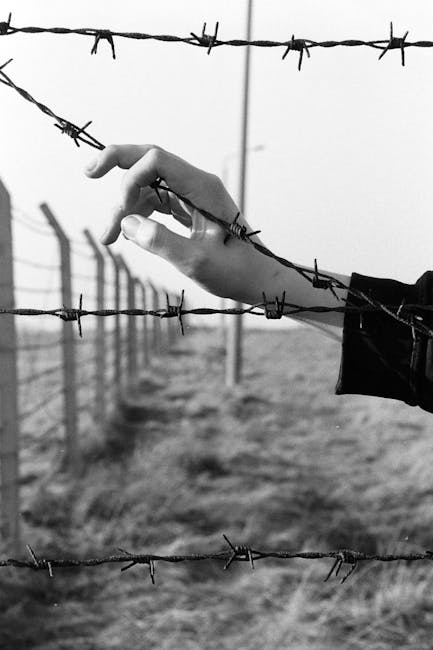
When ancient grudges outlast modern peace deals.
There's a certain tragicomic predictability to watching two neighbors argue over a fence line. You know the type, one waves a property survey from 1957, the other brandishes a gardening shear and insists the hydrangeas don't lie. Replace hydrangeas with artillery positions, the gardening shear with fighter jets, and you've got yourself a Southeast Asian border dispute. Except unlike suburban spats, when Thailand and Cambodia redraw lines, people don't just lose flower beds, they lose homes, limbs, and lives.
The latest rounds of airstrikes exchanged this week might feel like déjà vu for conflict weary observers. Halted ceasefires, accusations of territorial violation, the familiar diplomatic dance of they started it echoing through government press releases. It's tempting to dismiss this as just another flare up between nations who've shared contested borders longer than most countries have existed. But reducing this to routine misses three uncomfortable truths, diplomacy functions on geological time while bombs operate in seconds, peace agreements signed in elegant fonts rarely account for monsoons in soldier morale, and ancient grudges grow thicker than jungle canopies.
Let's begin where all good conflict resolutions should, by acknowledging nobody wakes up wanting war. Thailand's leadership insists military action came only after seven injuries and one death, a retaliatory measure not an opening gambit. Cambodia's defense ministry counters with claims of fabricated provocations. Both positions resemble children pointing at identical broken vases while standing in a room full of marbles. The factual truth matters immensely to historians, and very little to a mother whose child sleeps tonight in an evacuation shelter.
Human displacement statistics never capture the full absurdity. Two hundred thousand civilians pushed from homes in July skirmishes alone, a number equivalent to relocating Richmond, Virginia because someone misread a map. These aren't refugees fleeing ideological oppression, they're farmers abandoning rice paddies, shopkeepers locking doors thinking they'll return next week, grandparents who remember this same routine from 2011, 2008, 2003. The cruelty lies not just in the fleeing, but in the familiarity.
Military strategists will dissect strike zones like doctors reading X rays, Chong An Ma Pass becoming this week's flashpoint lexicon. Political scientists nod gravely about sovereignty and territorial integrity, phrases so sterile they could disinfect a battlefield. Missing from these analyses is the village now missing its well, the schoolhouse with fresh shrapnel décor, the medic who ran out of bandages before lunch. Conflict resolution seminars rarely include modules titled How to Explain to a Ten Year Old Why Ceasefires Expire.
We shouldn't romanticize these nations as helpless pawns of geography either. Cambodia references a commitment to the suspended peace framework while Thailand's foreign minister openly questions whether the agreement was ever functionally alive. Watching diplomats debate the vitality of a political document while aircraft scramble overhead feels like watching architects argue over blueprints as the house burns. Elegant paragraphs about demilitarized zones and mutual respect do little against the pragmatic realities of troop movements and supply lines.
What then of the international community's role, specifically that glittering trophy of modern statecraft, the externally brokered peace deal. It arrived with fanfare months ago, handshakes and ceremonial pens, expressions of goodwill captured in glossy photos. Now it hangs in limbo, neither honored nor formally discarded, like a gym membership you keep meaning to cancel. This isn't to diminish thoughtful diplomatic efforts, but to recognize that agreements requiring constant vigilance from afar often collapse when the spotlight dims. Sustained peace demands local ownership, not just global applause.
Cynics might say borders exist to be fought over, that human nature defaults towards territoriality. Yet watch Cambodian and Thai farmers trade durian fruit across checkpoints when tensions ease, witness joint Buddhist festivals celebrated in border temples when politics allow, and you’ll see a different truth. People generally prefer markets to mortars, until someone invokes ancestral grievances or national honor. The great paradox of modern nationalism lies in convincing citizens that lines drawn by dead cartographers matter more than crops grown by living farmers.
Solutions won't emerge from romanticizing shared histories or minimizing genuine security concerns. Progress demands uncomfortable pragmatism. Satellite guided boundary demarcations won't soothe century old resentments, but they might reduce accidental encroachments. Joint economic zones around disputed areas could make conflict financially as well as morally costly. Most importantly, mediators must recognize that ceasefires aren't endpoints, they're mile markers in generational marathons.
For now, mothers in Buriram province shelters rock children startled more by thunderclaps than toys. Soldiers on both sides polish weapons while politicians polish talking points. Somewhere an unsigned peace agreement waits in a vault, its ink still wet enough to smear if anyone cares to pick up the pen. The lesson here isn't that diplomacy failed, but that it remains perpetually under construction. Treaties resemble suspension bridges, not concrete dams, their strength lying in constant tension expertly balanced.
Optimism feels foolish until you remember the alternative. Channeling energies toward commerce instead of combat, sharing river management instead of artillery coordinates, allowing grandchildren to inherit orchards rather than outposts. None of this happens overnight or without setbacks. But every ceasefire, however fragile, proves that even nations with long memories can imagine short respites. And from those respites, sometimes, against all odds, real peace takes root.
 By George Oxley