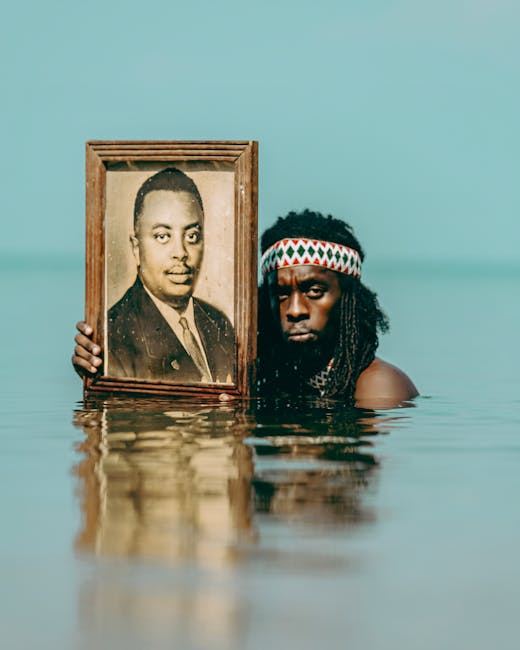
Legends never die, but our reactions to losing them tell uncomfortable truths about fandom in the digital age.
The first time I heard Roberta Flack's voice crackle through my father's car speakers, I thought angels had invented FM radio. Two decades later, when news broke about her passing last summer, I found myself humming Killing Me Softly in the checkout line at Target, tears mixing with the absurdity of mourning someone I'd never met while comparing pasta sauces. Such is the surreal dance we do when cultural giants exit stage left.
This year's roster of departed artists reads like a Netflix queue from the heavens, David Lynch's surreal dreamscapes, Diane Keaton's razor sharp wit forever trapped in Annie Hall's wide brimmed hats, Brian Wilson's symphonic daydreams. Their absences leave cavities in our collective cultural teeth, spaces we keep tonguing nervously.
There's something profoundly weird about how modern society processes these losses. We turn memorial tweets into competitive grieving olympics. Streaming platforms algorithmically suggest their filmographies before the bodies are cold. Digital shrines bloom like electric mushrooms across social media, flooded with hot takes from people who probably couldn't name five Beach Boys songs last Tuesday.
Allow me three heresies before we continue, just to clear the air. First, public mourning has become a performative blood sport. Second, we're terrible at celebrating living artists with the same enthusiasm we show dead ones. Third, nobody wants to admit how much these losses terrify us about our own expiration dates. There, I said it.
Take Malcolm Jamal Warner's haunting last quote about still searching for himself. Doesn't that perfectly encapsulate why we cling to these figures? They represent our own unfinished journeys. Watching Theo Huxtable grow up felt like having an extra big brother. His death didn't just close a chapter, it burned down the library where we kept our childhood Saturday mornings.
My grandmother used to say we die three deaths, the first when our bodies fail, the second when buried, the third when someone says our name for the last time. This explains why Robert Redford's Sundance Kid grin still feels more alive than half my WhatsApp contacts. Our collective memory keeps him grinning in perpetuity, even as his physical absence gut punches everyone who ever swooned over his golden boy charm.
Here's where things get spicy. Let's talk about the hypocrisy of selective remembrance. We rightly mourn giants but ignore entire legions of background dancers, session musicians, character actors who made their stars shine brighter. For every David Lynch obituary dominating headlines, dozens of brilliant production designers, sound editors, and cinematographers who shaped his visions pass without fanfare. Our grief, like our Oscars coverage, remains hopelessly starstruck.
Meanwhile, the nostalgia industrial complex kicks into overdrive. Estate sales become bidding wars. Unreleased tracks mysteriously surface, autotune at the ready. Someone greenlights a biopic starring some TikTok sensation in prosthetic noses before the funeral bouquets wilt. As Frederick Forsyth wisely noted about living interesting lives, we'd do well to apply that vigor to honoring artists before they become trending hashtags.
I'll confess something embarrassingly human. When Diane Keaton's death was announced, my first instinct wasn't to rewatch Baby Boom. Instead, I panic searched whether I'd ever replied to her assistant's email about a potential interview from three years ago. Turns out I hadn't. Cue shame spiral about opportunities lost, time's relentless march, and why we always assume legends will outlast our procrastination.
Maybe that's the true emotional trigger these losses expose. They hold up mirrors to our own unfinished business. Brian Wilson spent decades wrestling with his mental health while creating joyous music, an irony not lost on anyone who's ever faked a smile through private struggles. His final compositions reportedly included fragments about finding peace. We'll dissect those demos like Beatles bootlegs, searching for closure he may never have found.
Now, let's pour one out for the awkward beauty of posthumous PR. Overnight, problematic pasts get whitewashed, late career flops vanish from Wikipedia, and complicated humans become sanitized saints. We'll ignore that time David Lynch nearly derailed a production over improperly steeped Earl Grey, not because it's disrespectful, but because we need our heroes flawless in death. Never mind that their imperfections often birthed their greatest work.
The younger generation's reaction fascinates me most. My niece discovered Twin Peaks through TikTok edits last month, diving headfirst into Laura Palmer's mystery mere weeks before Lynch's passing. Her grief felt different, mourning someone she'd just met rather than someone she'd known for decades. It made me wonder how Tupac still drops holographic verses for new audiences decades after his death. Legends now achieve digital immortality, performing for audiences born after their flesh expired.
Here's a radical thought, what if we treated living artists with the reverence we reserve for dead ones? Imagine stadiums chanting for 91 year old poets. Streaming services paying jazz pioneers like pop stars. Publishers advancing octogenarian novelists like JK Rowling rookies. Instead, we wait until engravers start etching tombstones to properly appreciate genius.
Still, there's magic in how art outlives its creators. Press play on any Beach Boys harmony and Brian Wilson breathes again. Rewatch The Sting and Redford's blue eyes twinkle with mischief unchained from mortality. These aren't just comforting notions, they're survival mechanisms. Our cultural guardians live on through every shared melody, quoted screenplay, and stolen directorial trick. We keep them alive by stealing their moves, quite literally.
Next time you revisit Annie Hall's neurotic charm or hum along to The First Time Ever I Saw Your Face, remember something vital. You're not just recalling art, you're participating in the most beautiful kind of resurrection. Every laugh at Keaton's timing, every tear during Flack's crescendo becomes a rebellion against oblivion. Their final curtain calls become our encores.
So let's raise our glasses to the messy, uncomfortable, life affirming act of saying goodbye. May we honor these architects of our emotional landscapes by creating art that outlives us, by cherishing breathing artists with frantic urgency, and by admitting that all this memorializing reveals one terrifyingly gorgeous truth, we're all just temporary custodians of beauty, passing it forward before joining the chorus of ghosts.
 By Homer Keaton