A mutant flu strain and policy frostbite create the perfect winter storm for the NHS.
Winter in Britain has always been a bit of a dramatic affair. First comes the festive cheer, then the inevitable January detox ads, and sandwiched between them like an uninvited guest at Christmas dinner arrives flu season. This year, however, that guest didn’t just bring a cheap bottle of wine. It brought a flamethrower dressed as a candy cane. Hospitals across England are reporting flu admissions up 55% in the last week alone, with record numbers of beds occupied by feverish, coughing, thoroughly miserable humans. It’s as if the flu virus attended a motivational seminar over the summer and is now overachieving to a frankly rude degree.
At the heart of this microbial melodrama is a strain called H3N2, a particularly villainous character in the flu family tree. Scientists call these mutations subclades, which sounds like a Scandinavian furniture line but is actually nature’s way of keeping us humble. This year’s model, nicknamed subclade K with all the affection one reserves for tax audits, packs extra punch. It’s evolved sneaky little changes that our immune systems don’t recognize, meaning even those who usually shrug off flu are currently measuring their existence in tissues per hour.
Now, you’d think a mutant virus marching through the population would result in vaccine queues longer than the line for Glastonbury tickets. And yet. Only 71.7% of over 65s have rolled up their sleeves. For pregnant women, that number drops to a worrisome 35.6%. Young people with chronic conditions aren’t doing much better at 37.4%. These statistics hit differently when you realize these are not percentages on a spreadsheet. These are grandmas who shouldn’t have to choose between knitting and breathing. New moms who deserve to focus on their baby’s first giggle, not their own rasping cough. People already juggling asthma or diabetes now adding flu roulette to their daily grind.
The NHS, meanwhile, is attempting to perform its annual winter high wire act without a safety net. Record flu admissions coincide with junior doctor strikes, skyrocketing A E visits, and that ever present British pastime underfunding the health service. Professor Meghana Pandit, the NHS national medical director, used the phrase worst case scenario with the calm demeanor of someone who’s had one espresso too many but remains professionally composed. One imagines NHS staff running on a questionable mix of goodwill, leftover Christmas chocolates, and that peculiar British resilience that surfaces when things go properly pear shaped.
Then there’s the mask kerfuffle. An NHS leader recently declared people with flu symptoms must wear face coverings, causing what experts gently termed confusion. Confusion, in this context, being British understatement for the public reaction landing somewhere between baffled head scratching and full blown existential despair over yet another pandemic era flashback. The thing is, masks do help. But after years of mixed messages flip flopping faster than a pancake at Shrove Tuesday, is it any wonder people feel about as clear as a foggy day in London? We seem trapped in a cycle of panic and amnesia, where every winter we’re shocked that cold things make people cold, and viruses gonna virus.
Peel back another layer, though, and this flu surge reveals something structurally sneaky. The government recently presented a budget offering no additional NHS funding despite these mounting pressures. It’s like watching someone refuse to buy an umbrella during a thunderstorm because technically, rain wasn’t in the original five year forecast. Dr. Francesca Cavallaro of the Health Foundation nailed it when she called this a fragile balancing act. Balancing act being a polite term for trying to ice skate uphill during an avalanche.
Meanwhile, whispers of vaccine supply issues in pharmacies flutter about like errant snowflakes. Community Pharmacy England confirmed sporadic shortages, though the NHS insists there’s no national crisis. Which, depending on your postcode, either sounds reassuring or as useful as a paper fan in a heatwave. It’s the postcode lottery no one wants to win, where your protection against a potentially deadly virus depends on whether your local pharmacist is as lucky at vaccine procurement as they are at guessing your prescription without squinting at the doctor’s handwriting.
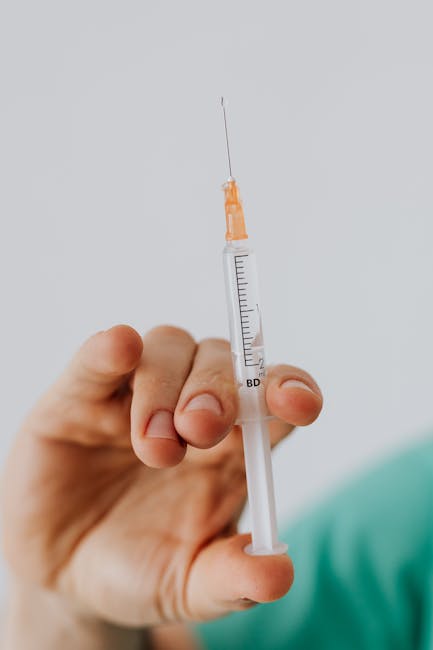
For all the grim headlines though, here’s where we find the kernels of hope. Because hope, in winters like these, isn’t some fluffy abstract concept. It’s practical. It’s actionable. It’s available at your nearest vaccination site. The flu shot remains our best bulwark against this microscopic invader, reducing severity even if it doesn’t grant perfect immunity. Every person immunized is one less potential hospital patient, one less strain on overburdened nurses, one less family anxiously waiting by a hospital bed.
And here’s where I’ll admit something. My relationship with needles is best described as complicated. Not fear exactly. More a deep seated conviction that sharp metal objects and my skin should maintain a respectful distance. Yet there I was last month, rolling up my sleeve like a slightly queasy hero in a rom com about adulting. Because getting vaccinated isn’t just about self preservation, though that’s valid. It’s community care made manifest. It’s armor for the grandmother on your bus. The cashier with diabetes. The teacher fighting cancer. Protection for people who can’t fight this bug alone.
Perhaps that’s the real story hiding beneath these alarming statistics. Not just a health service creaking under pressure, but how we as individuals fit into this vast, interconnected web of public health. Every forgotten elbow cough, every avoided crowded room when symptomatic, every vaccination appointment kept becomes a stitch in society’s safety net. We weathered a pandemic. We can handle a flu season, even one playing hardball, if we remember our lines in this collective defense.
So yes, this icy kiss from flu season bites harder than expected. The path forward has potholes of policy mismanagement and confusing messaging. But here’s the tea, as my delightful niece would say. Viruses exploit cracks, and right now our cracks include vaccine gaps and exhausted healthcare warriors. Plugging those gaps starts with the profoundly un British act of making a fuss about prevention. Booking that jab. Politely shaming your sniffly flatmate into staying home. Writing to MPs about properly funding the services we clapped for not so long ago.
The NHS, bless its overworked heart, will keep showing up. Beds might be in corridors, doctors might be running on fumes, but they’ll be there. The question is whether we meet them halfway. Not with panic, but with stubborn, practical kindness. Because winter always ends. Even this one. Especially if we face it together, sleeves rolled up, tissues at the ready, and perhaps a thermos of something strong waiting at home for the nurses getting off their sixteenth shift.
 By Barbara Thompson