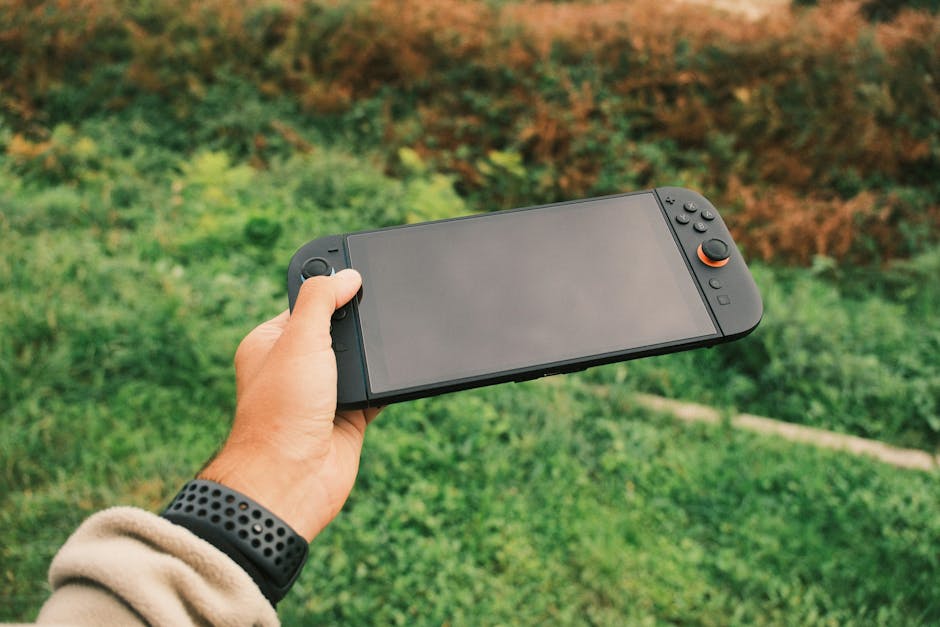
The bittersweet reality of buying games for a console that hasn't even launched yet.
There's something deeply amusing about watching Nintendo navigate the console generation tightrope. The recent confirmation that the critically acclaimed superhero comedy game Dispatch will land on both the original Switch and its successor next January should feel like a win. Instead, it plays like a perfect metaphor for the gaming industry's current identity crisis. You're buying tomorrow's games on yesterday's hardware while tomorrow's hardware claps politely from the wings.
Don't get me wrong. As someone who still gets misty eyed thinking about Wii U owners left stranded like gaming orphans, the idea of cross generational support sounds noble. But let's peel back the corporate confetti here. When companies promise "free upgrades" to shiny new hardware, they're not being charitable. They're treating your goodwill like emotional insurance against buyer's remorse. It's the console equivalent of a restaurant promising free dessert if you hate your entree, while quietly hoping you'll be too full to complain.
We've seen this movie before. Remember when Microsoft stumbled through the Xbox One's launch with vague backward compatibility promises that sounded like hostage negotiation terms? Or when Sony took nearly a decade to fully embrace cross buy features after PlayStation fans revolted against paying full price twice for marginally prettier pixels? The video game industry keeps treating generational transitions like surprise parties nobody wanted, then acts shocked when guests complain about the streamers being half deflated. Nintendo's two tiered Dispatch release feels particularly illustrative because the Switch 2 represents their first real platform gamble since the hybrid device took over the world. The original Switch's success came from solving clear player frustrations. No more lugging separate handheld and home consoles. No more droughts between Mario Kart installments. No more pretending the Wii U ever happened. But this time? The pitch feels muddier. They're not overcoming an inconvenience, they're marketing enhanced versions of conveniences that already exist. How many frames per second does it take to justify buying new hardware when your current system runs the game just fine?
And oh, those precarious pricing gymnastics! That 10% pre order discount for buying now rather than later isn't generosity. It's emotional math designed to make the current console generation feel just slightly inadequate. Companies love dangling these "early adopter" carrots because they know our brains light up at temporary scarcity like raccoons finding shiny garbage. But consider what's really being sold here. You're purchasing partial access to a product that can't fully manifest until hardware currently gathering warehouse dust arrives in stores months later. It's like buying a movie ticket before the theater’s built, hoping the seats will be comfy.
This whole dance speaks to a deeper rot in consumer tech culture. The original Switch lasted seven years thanks to brilliant engineering and Nintendo's willingness to ignore industry peer pressure chasing teraflops. But now we've entered the "perpetual upgrade" era where every device ships feeling provisionally obsolete. Your month old phone gets overshadowed by a marginally slimmer model. Your smartwatch gains features your identical looking wrist companion mysteriously can't support. And your gaming console gets companion hardware before its predecessor stops outselling it. By promising that new games will straddle both Switch generations, Nintendo tacitly admits their own new console isn't essential yet. That might be honest, but it's terrible marketing.
The voice acting lineup for Dispatch provides unintentional commentary here. Hearing Breaking Bad's Aaron Paul and Batman's Jeffrey Wright bringing characters to life feels appropriate. Because right now, buying games for an unlaunched console feels like participating in an elaborate theater production where everyone pretends the emperor's digital wardrobe isn't suspiciously similar to last season's fashion. When studios stack casts with household names, they're borrowing familiarity to sell experimental concepts. Swap "celebrity voices" for "backward compatibility promises" and you've got the same psychological playbook.
Let's talk about the players caught in this machinery. For every hardcore fan weighing Frame rate benefits against display port specs, there's a parent trying to understand why the Switch game their kid wants now requires future hardware they can't afford yet. This mid generational limbo creates universal anxiety. Buy the discounted pre order today, and risk your current Switch chugging like asthmatic plumbing through scenes designed for more powerful hardware. Wait for the Switch 2 release, and risk paying $3 more later while enviously watching friends post screenshot comparisons. Gaming used to be simpler. Insert cartridge, receive entertainment. Today?s players need the budgeting skills of accountants and the technical foresight of fortune tellers.
History warns us how this could unfold. Remember the awkward PlayStation 3 launch period when games like Metal Gear Solid 4 couldn't backpedal to older hardware, leaving PS2 owners feeling abandoned? Or when Sega forced developers to choose between Genesis or Saturn support, fracturing their audience into warring factions? Even Nintendo's own Game Boy Advance stumbled initially by releasing titles like Castlevania Circle of the Moon with visibility so poor you needed sunlight and prayer to see the action. Cross generational support sounds great until technical realities punch artistic ambition in the throat.
Looking forward, this Dispatch dual release might signal where Nintendo's heading. The company excels at monetizing nostalgia while avoiding Sony and Microsoft's horsepower pissing contests. Their next trick might be selling the Switch 2 as "the console that plays your Switch games better" rather than something revolutionary. Steam Deck already proved players crave portable power without restarting their libraries from scratch. If Nintendo leans into this, we could see hardware evolve like smartphones, annual upgrades so incremental they feel irrelevant until you're three models behind.
Perhaps this is the new normal. Console generations blurring until they vanish like the concept of phone numbers. Gaming subscriptions erasing ownership until we're all just licensing temporary access fragments. In that landscape, an RPG about managing hero bureaucracy begins to feel like therapy. How fitting that in Dispatch, you play a character who used to wear flashy power armor and save cities, now reduced to pushing paperwork and appeasing temperamental superheroes who refuse to work thunderstorm patrol. Let's hope Nintendo remembers players want more from next gen than slightly shinier bureaucracy simulations.
 By Thomas Reynolds