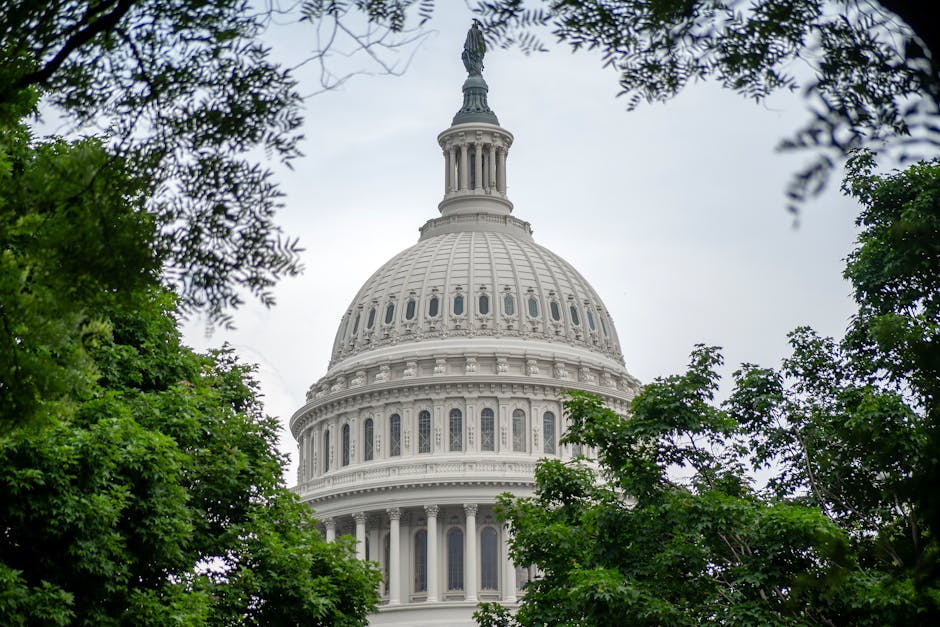
A holiday season cliffhanger leaves 22 million Americans wondering if their insurance premiums will resemble champagne wishes or caviar dreams come January.
There's a particular bureaucratic magic in how consistently Americans receive gym membership renewal notices thirty days before expiration, complete with cheerful reminders about 'staying on track with your wellness goals.' Meanwhile, 22 million people currently checking mailboxes for health insurance renewal paperwork might reasonably wonder if Congress shares that same dedication to administrative punctuality.
The House's recent decision to forego voting on Affordable Care Act subsidy extensions before year end presents less a policy choice than a political parable. Picture legislators carefully reorganizing deck chairs while passengers receive increasingly urgent bulletins about iceberg sightings. The subsidies in question, enhanced during the pandemic to help middle income families afford coverage, now face expiration akin to a Countdown Clock only Washington could ignore until its final ticks reverberate through constituent inboxes.
What makes this legislative standoff particularly rich is watching House leadership navigate between Scylla and Charybdis with the grace of a tipsy carnival bumper boat. Moderate Republicans marched through this session bearing torches about fiscal cliffs for taxpayers facing premium spikes. Their leadership countered with stern lectures about fiscal responsibility, punctuated by suspiciously well timed releases of alternative healthcare proposals notably absent actual subsidy relief. One imagines medieval physicians prescribing scented oils for plague victims.
Representative Mike Lawler's nationally televised expletive regarding this process contained more concise policymaking wisdom than three dozen committee hearings. Translating parliamentary language, his outburst essentially asked why leadership would voluntarily hand Democrats a 'Premiums Skyrocket Under GOP' attack ad template warmer than fresh baked Apple pie. Somewhere, documentary producers began storyboarding election season advertisements featuring anxious families reviewing insurance applications as calendar pages flip toward January.
The procedural gymnastics surrounding discharge petitions could fill a poli sci syllabus. Democrats need four Republican signatures to force subsidy vote considerations. Moderate Republicans want amended subsidies paired with reforms. Both face the same immovable object Congressional posturing this month delayed these efforts past the point where floor votes provide timely relief. It's reminiscent of fire departments debating hose nozzle standards while smoke billows from neighboring buildings.
Beyond political theatrics lies genuine human arithmetic. Consider the family of four earning $75,000 annually facing potential premium jumps from $150 to over $500 monthly without subsidies. Such increases force brutal budgetary choices medicine versus groceries, preventative care versus emergency room debts. Personal finance becomes Russian roulette with deductibles. That Republicans controlling the House appear unconcerned with these mathematics begs questions no caucus retreat can answer satisfactorily.
Financial reporters might chuckle darkly at this subsidy expiration perfectly coinciding with open enrollment season. Consumers comparing plan options received all the certainty of predicting hailstorms while shopping convertibles. Insurers adjusting actuarial tables mid enrollment add Kafkaesque flourishes to ordinary families' healthcare decisions. One envisions baffled citizens Googling whether discharge petitions involve actual ambulances.
Credit where due, Speaker Mike Johnson eventually acknowledged moderates' discontent with vague promises about negotiating table ideas. Whether these discussions involve magical deficit neutral funding mechanisms or bipartisan good faith remains delightfully unspecified. Given Medicaid unwinding complications and prescription drug pricing reforms still coalescing, this health policy three ring circus might benefit from tighter coordination between clowns and ringmasters before audiences storm the exits.
Salvation might emerge through unwinding this Gordian knot into separate solutions temporary subsidy bridges alongside transparent payment reforms. Veteran lawmakers understand healthcare requires both scalpel and sutures. Sustainable policies demand meticulous construction, but constituents drowning require immediate life preservers. Resolving one crisis while addressing systemic issues isn't merely possible. It's basic governance.
Perhaps future historians will marvel that lawmakers faced both government shutdown threats and healthcare subsidy expirations without connecting these budgetary threads. Maybe they'll highlight how political tribes became so obsessed with weaponizing healthcare they forgot its purpose keeping citizens functional enough to pay taxes. Or possibly America simply adopts an artisanal small batch crisis management approach, where solutions emerge ad hoc like craft beers.
For now, this episode serves as bracing reminder that legislative calendars care nothing for policy outcomes. Members racing toward holiday recess leave behind millions nervously refreshing insurance portals. That fundamental disconnect between politics and human consequences warrants more consideration than any committee mark up. After all, revolutions rarely spark from reasoned discourse. They ignite when ordinary people calculate what discarded promises cost them month by painful month.
All is not lost. Procedural mechanisms still exist allowing eleventh hour reprieves. Bipartisan coalitions might yet emerge from this artificial crisis wiser about governing deadlines. Americans tend toward pragmatism when ideologies fail them. Here's hoping their representatives relearn that truth before January bills arrive unsubsidized.
 By George Oxley