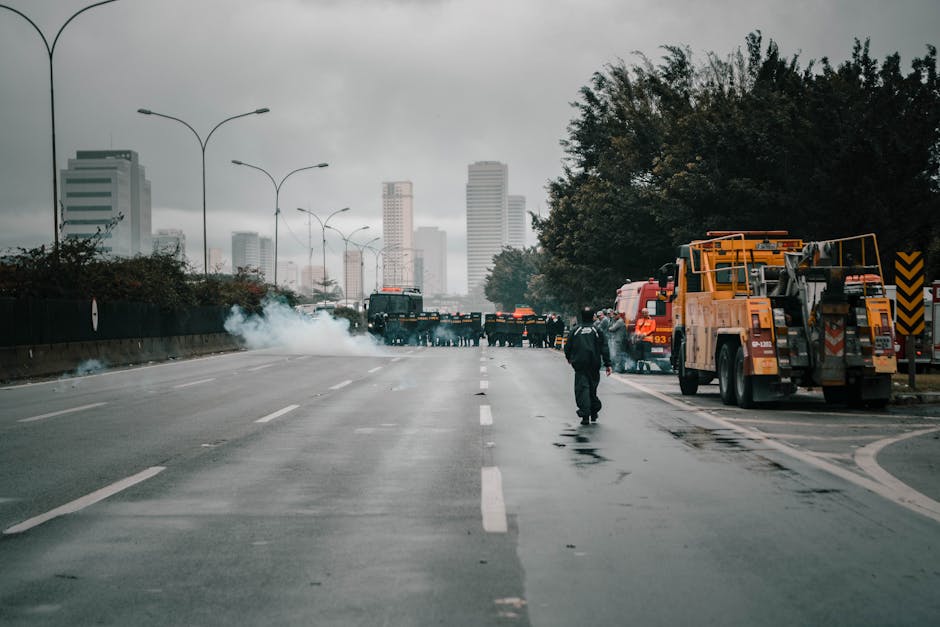
Blue lights flashing, questions mounting about road rules and responsibility.
You know lah, in Singapore we trust our police like we trust our kopi peng vendors to get the sugar ratio just right. But what happens when that trust hits a speed bump, or in this case, a very unfortunate traffic collision
The case involves a 31 year old police assistant superintendent now facing charges after his patrol vehicle knocked into a civilian car last January. Allegedly made an unsanctioned U turn at Cassia Link while on duty one late night. Court documents say the 54 year old female passenger in the other vehicle suffered grievous hurt. Grievous hor, not some small small scratch. Yet details remain scarce as fresh durians at a pasar malam, with SPF tight lipped during ongoing proceedings.
Now the irony here thicker than kaya toast. Police vehicles flashing those blue lights exist to keep roads safe, not create new dangers. Emergency privileges come with enormous responsibility one mah. Remember how we scold those mat rempits across the causeway for reckless riding Our boys in blue supposed to set the gold standard.
What makes people shake head until neck pain is how routine this could have been avoided. No chasing criminals, no life or death emergency just an ordinary patrol turning not so ordinary. Makes you wonder whether some officers develop blue light syndrome, thinking traffic rules relax when they clock in. Like that time in Bangkok when VIP convoys caused seven car pileups but nobody dared question the flashing lights.
The human cost here cannot be minimized ah. That aunty passenger isn't some statistic. She's somebody's mother, maybe grandmother, now living with consequences from bones possibly broken to trauma definitely lingering. And let's not forget the officer himself a promising career now stuck doing admin duty while courts decide his fate. Two lives tangled in one bad traffic call.
Now some might argue police must occasionally bend traffic rules to serve public safety. True also lah, but as any good nasi lemak seller knows, getting the balance right matters. What separates professional law enforcement from cowboy antics is constant consideration for public welfare. That's why SPF immediately underscoring their commitment to utmost care in public interactions when queried.
Watching how SPF handles this will reveal much about our institutional character. Already they've done several things right. Officer immediately rendered aid instead of claiming immunity. Organization redeployed him pending investigation instead of cover up. Charges brought rather than quiet internal resolution. These matter when Malaysians joke about their PDRM closing ranks or Indonesians lament military impunity in traffic incidents.
But let's zoom out beyond the courtroom drama. This episode touches that nervous place where citizens balance gratitude towards first responders with expectations of professional rigor. We want police swift responding to bank robberies, not creating emergencies through casual driving habits. The public will watch how sentencing guidelines apply come January 2026 if conviction happens. Up to two years jail or $5,000 fine maximum sounds substantial until we remember some cyclist collisions drew similar penalties recently.
Yet amidst frustrations, there's reason for optimism. Unlike some regional neighbors, our system shows willingness to investigate uniformed personnel transparently. When Indonesia's traffic corps had corruption scandals or when Thai police faced recklessness allegations, process often felt opaque. Here, both SPF's public statements and court proceedings suggest structured accountability remains priority.
Perhaps this unfortunate smooshed cars moment can inspire positive changes. Maybe more simulation training for police drivers revisiting emergency protocols. Or clearer public reporting mechanisms when government vehicles cause accidents. What if dashcam footage or collision reports became publicly accessible with privacy protections We've done well mandating safety cameras in heavy vehicles after prior incidents, no reason cannot extend principles here.
At day's end, our police force remains one of Asia's most respected for good reason. Their community engagement beats anything you see from Myanmar's junta aligned units or Cambodia's often feared security apparatus. Every organization faces stumbles how they rise after defines them. This case needn't erode trust, but reinforce why systems matter even for those enforcing systems.
So as we sip kopi O watching court dates unfold, let's maintain perspective. One incident shouldn't tar thousands of officers who patrol respectfully daily. But neither should we dismiss legitimate concerns about duty driving standards. In Singapore style, solutions probably lie somewhere between mahjong tile intensity oversight and pragmatic understanding of frontline realities.
The road to accountability often has unexpected turns. Let's navigate them carefully, just like we wish that police vehicle had done that January night.
 By Jun Wei Tan