Gaming's strangest side effects are turning treadmills into confession booths
There comes a moment in every gamer's life when you realize your hobbies might be spilling into your dignity reservoir. Maybe it's when you catch yourself mentally calculating crop rotation patterns during a budget meeting. Or when your morning coffee run turns into an unconscious quest to collect floating coins. But nothing quite prepares you for the existential crisis of realizing you'd rather throw free weights across a gym than be seen playing an anime horse racing game.
We've reached peak gaming absurdity in 2025, friends. Not because of blockchain promises or another metaverse pivot, but because our escape valves have become so specialized, so gloriously niche, that they now require elaborate cover stories worthy of Cold War spies. The latest wave of boutique gaming experiences isn't just competing for our free time, it's colonizing our most vulnerable moments, from gym sessions to holiday traditions.
Consider the curious case of mobile gaming shame. Once the domain of casual time killers between commutes, phone gaming now requires the discretion of a speakeasy patron thanks to titles like Umamusame Pretty Derby. This isn't just about avoiding judgment for playing match three puzzles anymore. We've entered an era where gamers would rather fake a shoulder injury from poorly aimed dumbbells than explain why their workout playlist includes J pop tracks about equine athletes. The real fitness challenge? Maintaining social credibility while your virtual horsegirl collection levels up between squat sets.
Elsewhere, the holiday season has transformed from a time of shared experiences to a golden age of isolationist puzzling. That charming cardboard advent calendar your partner gifts you? It's now an elaborate penguin themed escape room requiring more spatial reasoning than IKEA furniture assembly. What began as sweet Christmas countdowns now deliver daily doses of existential panic when you accidentally pick the red herring door. Nothing says holiday cheer like penalty points and the crushing realization that Antarctic birds have better tactical skills than you.
Meanwhile, Animal Crossing's snowman building ritual has evolved from charming winter pastime to annual psychological evaluation. The intentional creation of imperfect Snowboys reveals more about our collective psyche than any therapist could. In a world demanding curated Instagram perfection, we've manufactured digital spaces specifically to fail spectacularly, then be mocked by talking snow creatures for our efforts. Our coping mechanisms have coping mechanisms now.
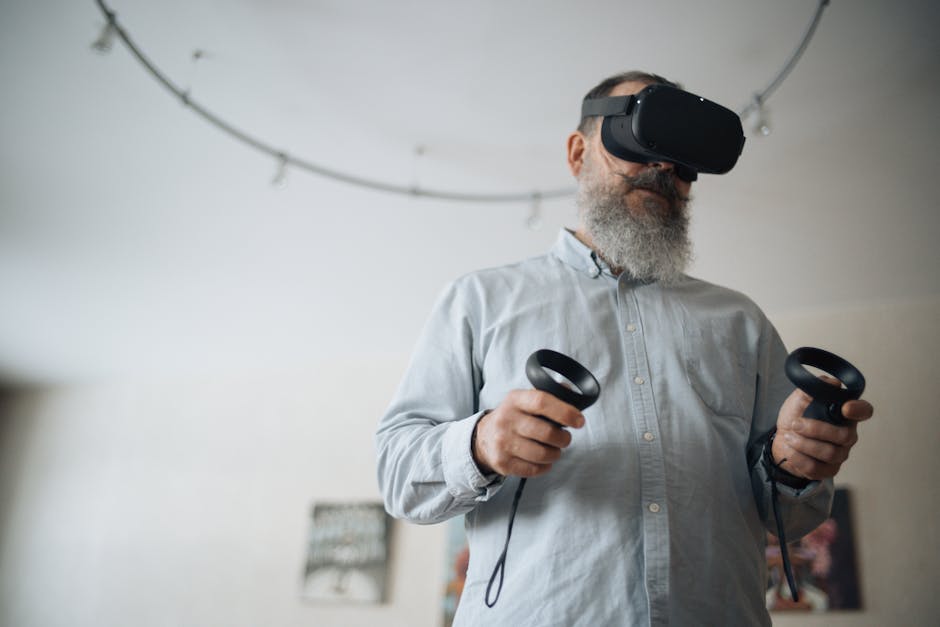
Three fresh industry shifts emerge from this digital eccentricity. First, the indie scene isn't just challenging AAA studios anymore, it's actively weaponizing our nostalgia against us. Games borrowing Geometry Wars' DNA now arrive hyper evolved, with pulsating menus and disintegrating level design that make the originals look like cave paintings. Second, pandemic era gaming habits have calcified into permanent lifestyle choices. What began as lockdown coping strategies now shape how we approach holidays, fitness, and even interior decorating. Finally, the VR fitness craze has created an arms race of plausible deniability games. Why admit you're playing Equine Athlete Trainer 3000 when you can claim to be doing overhead presses?
Market analysts predict this niche gaming will dominate Q4 earnings calls, with publishers now targeting emotion specific micro audiences. Why make a game for everyone when you can create one perfectly tuned for gardeners afraid of extraterrestrial tomatoes? Developers have realized our weirdness comes pre installed, they're just building the playgrounds where it can bloom safely, away from judgmental gym buddies.
The legal implications are equally fascinating. When your gym membership agreement prohibits sudden dumbbell propulsion, who's liable when anime induced embarrassment strikes? Can holiday gift lawsuits follow when an advent calendar causes measurable psychological distress? We're entering uncharted territory where digital experiences blur not just reality lines, but negligence standards too.
Historically, gaming's cultural absorption followed predictable patterns arcades to living rooms to pockets. The new frontier? Our fragile egos. When digital hobbies require physical defense mechanisms, we've crossed into territory last seen during Beatlemania. The screaming now just happens internally when someone glances at our phone mid racehorse training session.
What comes next? If current trends hold, expect emotional support gaming stations at your local fitness center, discreetly hidden behind fake smoothie menus. Anticipate holiday cards featuring not family photos, but meticulously arranged digital villages with passive aggressive villagers. And stock up on dumbbells, not for fitness, but as potential projectile shields against social humiliation. The future looks bright, strange, and faintly ridiculous just how we like it.
 By Thomas Reynolds