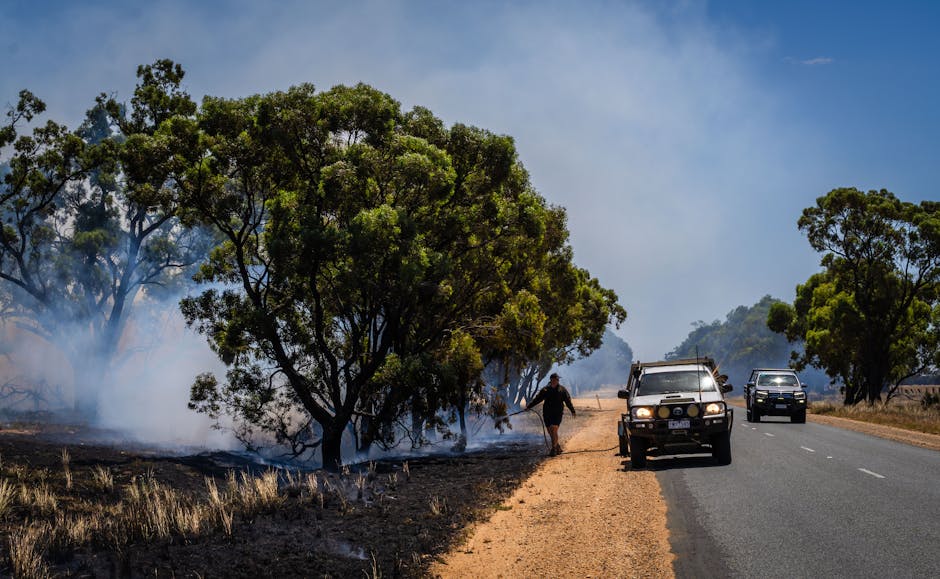
The flames quieted but the questions roared louder
You know that moment when your phone buzzes with a weather alert saying ‘severe storm imminent,’ you panic, cancel plans, tape the windows… and then it drizzles? Australian bushfire warnings carry that same emotional whiplash, except the stakes involve eucalyptus forests crackling like birthday candles and the lingering smell of smoke in your curtains for months. This week’s downgraded fire alerts near Lithgow and Merriwa deserve more than a relieved sigh and a cold beer, though anyone who’s survived a fire season absolutely earns that beer. They deserve us asking why ‘Advice’ sounds like a gentle suggestion when the land remains tinder dry and the helicopters are still dumping buckets like caffeinated hummingbirds.
Let’s wander into the Capertee Valley, where a bed and breakfast owner named Wendy watches brown smoke pump into the sky like nature’s dubious espresso machine. The fire’s been downgraded from Emergency to Advice, which to city ears might sound like swapping a tsunami warning for a puddle advisory. Wendy isn’t packing her photo albums into the car yet, but she’s also not unpacking the nervous energy humming in her chest. Rural Australians develop a sixth sense for fire the way suburban parents develop eyes in the back of their heads at playgrounds. You learn to read the smoke’s body language. Does it billow like a lazy Sunday barbecue or gallop like a spooked horse? Is the wind whispering or shrieking? Wendy stays put, trusting the aircraft buzzing overhead, but also trusting something deeper the way tightrope walkers trust their balance after years of practice. Staying or going isn’t just about official alerts. It’s about knowing which way your gut tugs when the horizon glows orange.
Meanwhile, over 40 bushfires dance across New South Wales, because Australia in summer is like that friend who insists on juggling flaming torches at a barbecue. The Milsons Gully fire has chewed through 12,600 hectares in the Upper Hunter, which sounds abstract until you do the math. That’s roughly 17,000 football fields. Imagine 17,000 football fields of charred earth and fleeing wallabies and livestock with singed wool looking deeply unimpressed by humanity’s firefighting efforts. One farmer returned to his property after a previous fire only to find secured sheep had been chased and injured during the chaos. You can rebuild a shed. Healing a scared, bruised animal takes different tools. The human impact here isn’t just measured in hectares or dollar signs. It’s in the way smoke lingers in your hair for days, the way children draw helicopters instead of rainbows, the way ‘fire season’ becomes a calendar fixture right between Christmas and back to school.
The heroes of this story wear yellow suits and spend their holidays hosing down other people’s fences. Rural Fire Service teams battling the Bogee blaze described the terrain as ‘very rough,’ which in Aussie understatement could mean anything from ‘slightly bumpy’ to ‘cliffs disguised as hills, inhabited by snakes who judge your life choices.’ Ten water tankers and four aircraft make for impressive statistics, but let’s picture the actual humans directing those resources. Kennedy Porter from the Cudgegong RFS points out dry landscapes, low humidity, and warm weather created ‘all the right conditions’ for fire. Sounds almost polite, doesn’t it? Like nature set out a nice cheese platter before trying to burn your house down. These firefighters know better than anyone that downgraded doesn’t mean defeated. An ‘Advice’ level fire is still a fire with opinions, lurking in the bush like a toddler who’s suspiciously quiet. You don’t turn your back.
But here’s where we trip over policy quirks more treacherous than a charred log. A planned power outage reportedly impacted the ability to defend homes from fires in one region. Let me get this straight. We’ve got communities where a single spark could ignite disaster, and we’re turning off the electricity? That’s like removing the batteries from the smoke alarm during a candlelit vigil. It hints at infrastructure so fragile, a stiff breeze or a scheduled maintenance could tilt the balance between safety and catastrophe. Meanwhile, climate change isn’t some abstract future villain in this narrative. It’s the extra dry kindling under everyone’s feet. Politicians argue about emissions targets while farmers watch their dams evaporate and RFS crews wonder why fire seasons now feel like marathons with no finish line. If we were writing this story as a play, the dramatic irony would be thick enough to choke on.
There’s gentle humor to be found amid the ash, though. Like how country towns measure fire proximity not in kilometers, but in ‘how many neighbors between me and the flames,’ or how locals can identify aircraft types by the sound of their water dumps. ‘That’s a 737 Large Air Tanker, Gladys, sounds crankier than Merv after his hip surgery.’ But the laughter here isn’t dismissive. It’s the kind that keeps you sane when the air tastes like a campfire gone rogue. It’s resilience wearing a crooked smile.
So what’s the takeaway when warnings downgrade but the land stays parched? First, we need to talk about the vocabulary of disaster. ‘Advice’ feels casual, like a weather presenter suggesting you might want an umbrella later. When the threat remains real, language should empower vigilance without inducing panic. Second, infrastructure shouldn’t add to the hazard ledger. If planned outages hinder fire defenses, that’s not bad luck. That’s a system begging for scrutiny. Third, communities deserve more than reactive tools. Prevention through land management, climate adaptation, and mental health support for firefighters and residents isn’t sexy budget line item, but it’s cheaper than rebuilding entire valleys.
This isn’t just a bushfire story. It’s about how we live alongside increasing uncertainty, finding pockets of calm without getting complacent. Wendy from the bed and breakfast probably knows that better than any policy maker in Sydney. She’ll keep watching the smoke, making mental notes of wind shifts, admiring the tenacity of those water bombing pilots, and hoping like heck she won’t need to serve tonight’s guests a side of evacuation with their scrambled eggs. The rest of us? We could learn a lot from her quiet readiness. Sometimes, after the sirens fade, the real work of staying safe is just beginning.
 By Barbara Thompson