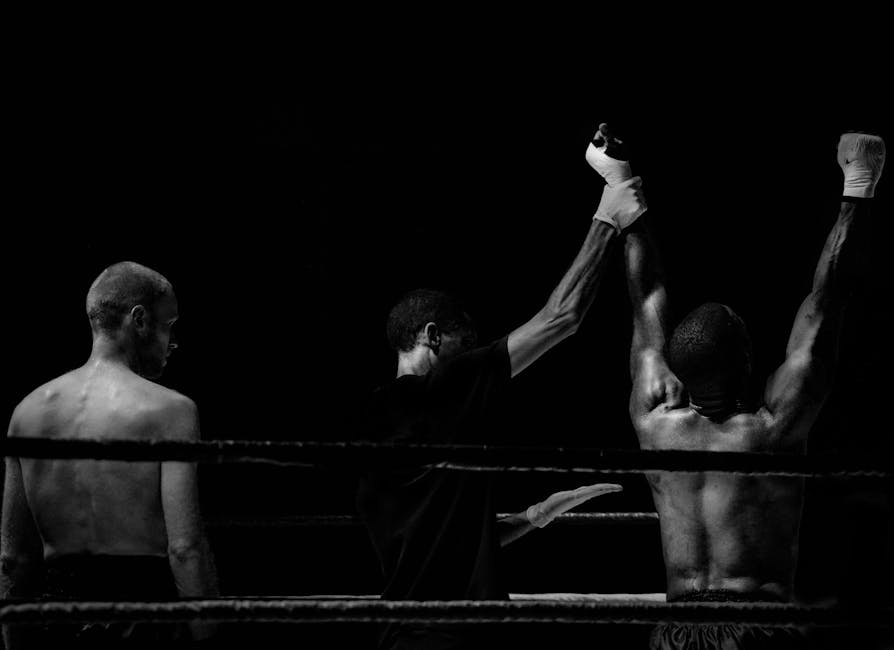
Two fights in Las Vegas exposed the soul of boxing the brutality we applaud and the endurance we question.
There is a particular silence that follows a boxer who has given everything and come up short. It is not the roar of a knockout, nor the buzz of a decision. It is the quiet shuffle of a warrior being guided toward an ambulance, gloves still on, head bowing under the weight of exhaustion and defeat. That image of Tim Tszyu disappearing into a Las Vegas hospital corridor after his loss to Sebastian Fundora lingers longer than any highlight reel punch. His corner made the call to stop the fight, but no fighter truly wants to exit that way, not when a world title hangs in the balance. The precautionary measures, the medical checks, these are the unseen rituals of a sport that demands everything and offers no guarantees.
Tszyu’s story is not unique in boxing, but it is always arresting. A fighter with pedigree, with a name that carries expectations stitched into its very letters, stepping into the ring with the belief that this night will be different. Fundora, with his relentless jabs and unforgiving reach, had other plans. The way Tszyu absorbed those punches, round after round, until his body could no longer answer the questions being asked of it, is a testament to the cruel beauty of boxing. It is a sport that asks fighters to confront not just their opponents, but the limits of their own endurance. Sometimes, the bravest thing a fighter can do is not throw another punch, but acknowledge that the night is not theirs.
Meanwhile, in the same city, under the same lights, another story unfolded. Manny Pacquiao, at 46 years old, stepped back into the ring, chasing the ghost of his own greatness. The crowd chanted his name, not just out of nostalgia, but out of some unspoken hope that time might pause for a legend. Against Mario Barrios, Pacquiao moved with the grace of a man who has spent more of his life in the ring than out of it. His footwork, his quick combinations they were echoes of the fighter who once dominated across eight weight classes. But boxing has a way of reminding even its greatest champions that the past cannot be resurrected, only remembered.
There is something deeply human in the way we watch these two narratives collide on the same night. Tszyu, in the prime of his career, learning the hard lesson that heart alone cannot overcome the physics of fatigue. Pacquiao, defying age and logic, proving that the hunger never truly leaves, even when the body begins to protest. These are not just fights. They are glimpses into the soul of the sport the brutal honesty of defeat and the stubborn refusal to let go of what once was.
Boxing fans often speak of the sweet science, but there is nothing scientific about the way it tugs at our emotions. We cheer for the young contender, willing him to rise. We hold our breath for the aging champion, hoping he still has one more miracle in him. And when the final bell rings, we are left with the raw, unvarnished truth that this sport, for all its pageantry and pay per view spectacle, is about people. People who bleed, who dream, who refuse to quit until someone tells them it is over.
Tszyu will heal. He will return. That is what fighters do. And Pacquiao will likely lace up his gloves again, because the ring is home, no matter how many years pass. But for one night in Las Vegas, their stories reminded us that boxing is not just about wins and losses. It is about the quiet moments in hospital hallways and the standing ovations for men who should not still be doing this, but do it anyway, because the fire does not care about age or logic.
That is why we watch. That is why it hurts. And that is why, no matter how many times we see it happen, we will always come back for more.
 By Oliver Grant