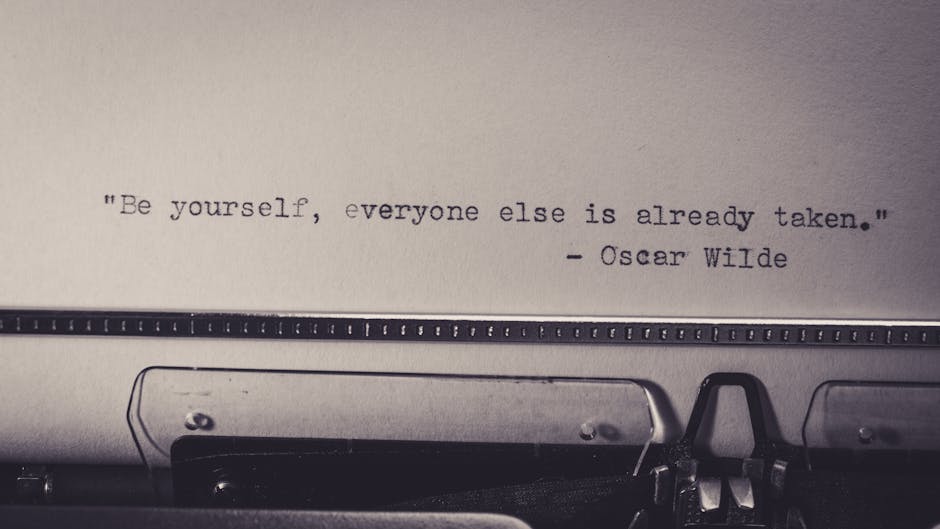
The quiet rebellion against digital exhaustion is hiding in plain sight, armed with vintage cameras and creaky consoles.
Something fascinating is happening in the shadow of our always online world. Walk into any university dorm or scan the Instagram feeds of twenty somethings today, and you'll spot the unexpected artifacts of a bygone era, dusty DVD cases stacked beside leather bound LPs, chunky handheld game consoles charging next to sleek MacBooks, instant film cameras dangling from beaded lanyards. At first glance, it looks like a kitschy affectation, another fleeting microtrend fueled by TikTok aesthetics. Dig deeper though, and you'll find a generational course correction happening in real time.
This isn't your parents' nostalgia trip. The teenagers and twenty somethings embracing so called obsolete technology aren't just dabbling in retro chic. They're actively rejecting aspects of our frictionless digital existence that older generations sold as progress. An entire cohort raised on touchscreens and streaming services is discovering radical appeal in physical media, clunky interfaces, and the satisfying weight of objects that can't vanish with a subscription lapse.
For digital natives who've never known a world without endless scrolling, the allure is multifaceted. Declan doesn't buy DVDs because they offer superior picture quality, by any metric, streaming wins. But he and others like him find something profoundly grounding in shelf filling collections you can touch. There's an ownership to it that cuts through the temporary leases we have on digital libraries. Consider though what happens when your favorite show disappears from Netflix due to licensing disputes, or when Apple decides to sunset the music service holding your playlists. These aren't hypotheticals but regular occurrences in our algorithmic lives.
This resurgence taps into three undercurrents shaping consumer tech. First, decision fatigue in the age of too much choice. Endless streaming menus paralyze more than entertain, while a finite DVD shelf presents contained options and digital minimalism. Second, sensory depletion. Vinyl collector Saul talks about dropping a needle on a record as ritual, aligning with studies on how physical engagement boosts emotional connection to music. Third, and perhaps most vital, the burnout economy. Gen Z entered adulthood during overlapping crises, digital overwhelm, social isolation, climate anxiety, reverse mentoring their elders on setting boundaries with technology.
Businesses are predictably scrambling to monetize what they misread as purely aesthetic yearning. Big box retailers slap retro styling onto Bluetooth speakers. Streaming platforms introduce features mimicking vinyl crackle. These moves miss the point. The real story isn't about old tech's resurgence but about a generation debugging modern technology's emotional shortcomings. Aoibheann reaching for a Pentax film camera isn't rejecting her iPhone's superb camera but seeking intentionality over automated perfection. The delay in seeing her photos imposes discipline and print photos become physical evidence of experiences untouched by data harvesting.
There's delicious irony here. Many of these resurrected technologies were killed off by the very corporations now reviving them. Sony discontinued its beloved PSP handheld gaming console in 2014, declaring it obsolete. Today young gamers like Kyle are hunting down used units not just for nostalgia but to escape modern gaming's endless updates, microtransactions, and required online logins. These vintage consoles offer finished games on cartridges that work instantly without patches, digital rights management, or surveillance baked in. It's gaming reduced to its joyful essence, something the current industry often loses sight of amidst quarterly earnings calls about recurring revenue.
What emerges is a quiet consumer revolt unfolding not through protests but purchasing habits. Young people are playing corporate economics against itself, creating demand for products abandoned by profit chasing innovation cycles. Vinyl's unlikely comeback proves physical media can coexist with streaming under one crucial condition. If companies treat these items as luxury collectibles rather than disposable gadgets. Consider Saul spending 1,000 pounds on records not because it's practical, but because the investment mirrors his valuing permanence, analog quality, and resistance to algorithms curating his tastes.
Marketers whispering microtrend into executives' ears risk repeating past mistakes. The 1990s saw record companies kill cassette tapes only to resuscitate them years later as nostalgic cash grabs similarly, film cameras faded until Fujifilm's Instax made them trendy again. Today's retro wave shouldn't be dismissed as mere nostalgia because it carries potent lessons about digital sustainability. Each DVD purchased rather than streamed reduces energy consumption from data centers. Each film photo printed counters the cloud storage glut holding billions of forgotten digital snapshots.
This movement faces headwinds though, chiefly from planned obsolescence. Kyle's PSP battery might die with no official replacements and vintage tech repair knowledge grows scarcer. Corporations focused on metaverse ambitions show little interest in supporting analog alternatives, but consumers signal they may force the issue. Perhaps we'll see Apple introduce iPod Classic revivals alongside VR headsets or Nikon launch film cameras with modern conveniences like built in light meters and recyclable film cartridges. The demand is there for hybrid solutions.
Beyond commerce lies a psychological reset. Gen Z didn't invent technostress, but they're the first generation recognizing its pervasiveness before midlife. Their embrace of slower technologies mirrors broader shifts toward mindfulness and presence, though skeptics might call it performative. Does listening to records really offset TikTok addiction? Maybe not completely, but these choices represent incremental pushback against attention merchants.
What fascinates me most is how this defies generational stereotypes. Conventional wisdom paints digital natives as indifferent to analog experiences, yet here they are championing tech their grandparents found tiresome. They've discovered what earlier generations forgot. Tangibles have weight. Rituals force presence. Constraints breed creativity. Perhaps we're witnessing not a retro phase but the birth of permanent tech dualism, with streaming and vinyl coexisting based on mood, intentionality, and human needs algorithms can't quantify.
As tech companies race toward AI dominated futures, this retro renaissance offers a gentle counterpoint. Maybe progress doesn't always mean abandoning what came before. Not if aspects of older technologies solve problems created by their successors. Saul's vinyl forces listening over background noise. Aoibheann's film camera demands skill over computational photography. Declan's DVD collection defies corporate control over his media diet. What looks like nostalgia from the outside is, in truth, a highly sophisticated critique of digital life's excesses.
The lesson for innovators is clear. Gen Z's appetite for retro tech isn't about rewinding time but about harmonizing convenience with consciousness, algorithms with authenticity. Forget the metaverse pitch decks, some of tomorrow's best ideas might just be collecting dust in your parents' basement, waiting for young minds to reassemble them into something surprisingly revolutionary.
 By Emily Saunders