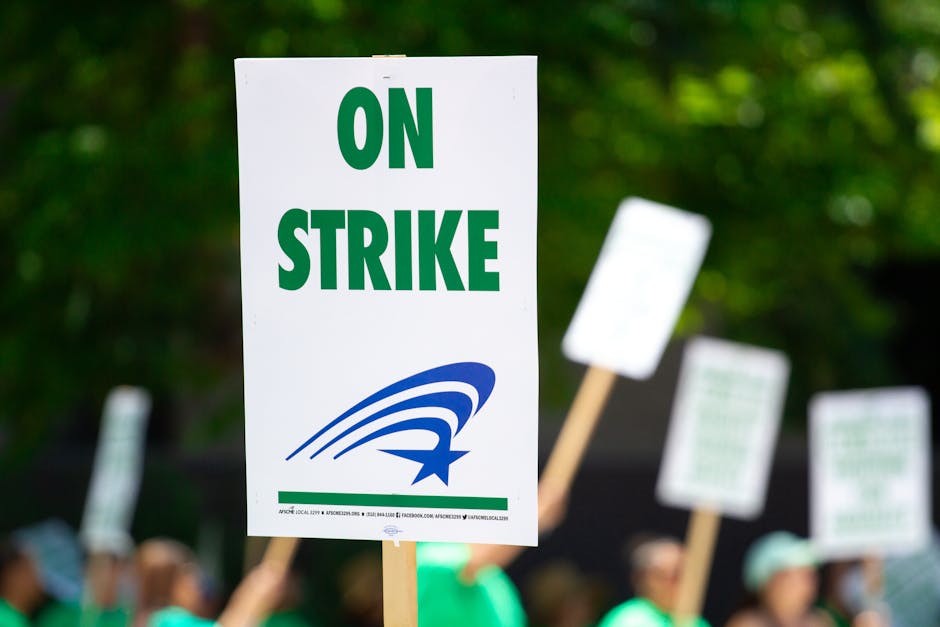
The GTA developer's union purge reveals more about corporate Britain's rot than any parliamentary soundbite ever could.
There's a delicious irony in watching one of Britain's largest entertainment exports, Rockstar Games, fumble its real life corporate ethics so violently while crafting fictional satires of American capitalist excess. The developer behind the Grand Theft Auto behemoth now stands accused of union busting tactics so blatant they've drawn condemnation from the Prime Minister's office. Thirty one workers terminated. Visas revoked. Families potentially deported. All allegedly for the crime of collective bargaining. Yet management insists this purge stems purely from 'gross misconduct'. One must admire the audacity of such corporate theatre, if not the morality.
Let us dispense with the patronising fiction that these dismissals occurred in some contextual vacuum. The timing alone reeks of strategic malice coming as it does during final development stages of GTA VI, a title projected to generate over $1 billion within 72 hours of release. Workers organising during crunch periods have always been inconvenient obstacles to boardroom deliverables. Though none should mistake this as an isolated incident in gaming's wider labour relations car crash. Just last year, Activision Blizzard spent $1 million monthly on union avoidance consultants. Amazon continues union suppression as corporate policy. Rockstar merely proves creative industries can match logistics giants in worker exploitation.
Starmer's performative outrage rings equally hollow. Since when did New Labour Mark II possess genuine appetite for challenging corporate overreach? The PM's pledge to 'look into' the situation carries all the conviction of a pre written PR statement wheeled out whenever employment scandals trend on Twitter. One suspects ministers will find precisely what they're incentivised to find nothing actionable, just regrettable misunderstandings. After all, Rockstar employs over 2,000 British workers. Their parent company Take Two contributed £76 million in UK taxes last year. Economic pragmatism always trounces worker justice in such calculations.
Beyond the political posturing lie tangible human consequences conventional business reporting routinely ignores. Several dismissed staff now face deportation from Britain, their sponsored visas yanked overnight after years building careers here. Imagine the bureaucratic nightmare relocation entails for families with children in local schools, mortgages signed, lives established. Yet corporate statements reduce these impacts to dry footnotes beneath assurances about GTA VI's delayed polish. The message couldn't clearer workers remain expendable assets, like outdated office chairs to be discarded when usefulness expires.
Rockstar' attempt to impose NDAs during parliamentary scrutiny reveals corporate Britain's default impulse silence critics through legal intimidation. That MPs refused this gag order barely matters. Other institutions lacking parliamentary privilege would buckle. The pattern repeats across industries from healthcare to tech cover ups dressed as confidentiality agreements. Suppress dissent, deny accountability, maintain brand sheen. Those 31 dismissed staff didn't just lose incomes, they became inconvenient truths requiring containment.
Behind curated optics these dismissals represent something more systemic market tested tactics for crushing unionisation efforts. Accusations of misconduct filed selectively against organisers. Sudden policy changes around workplace communication channels see Discord servers used for coordination deemed violations. Management creating paper trails justifying dismissals while maintaining plausible deniability about targeting unions. All standard playbook material from consulting firms like Littler Mendelson who specialise in union suppression for Fortune 500 clients. Rockstar' version just lacks finesse.
Employees aren't blind to these games. Over 200 Rockstar North staff signing a protest letter demonstrates unprecedented internal dissent. Colleagues gambling careers to defend dismissed workers amidst GTA VI's precarious development suggests psychological contracts between employer and talent have ruptured. When labour understands its disposability, loyalty evaporates. One wonders how many leaked game assets or discreet recruiter calls this incident has already spawned. Talent exits don't show up immediately in financial reports, but they bleed studios dry over years.
Investors remain conspicuously silent throughout, prioritising profit assurance over governance concerns. Take Two CEO Karl Slatoff's robotic endorsement of Rockstar's actions serves as reminder where corporate priorities actually lie. Corporate boards measure HR issues through liability risk matrices, not ethics. Standard shareholder agreements often include clauses requiring management 'containment' of labour movements that might impact deliverables. No institutional investor will challenge a golden goose preparing to lay another billion dollar egg.
The parliamentary spotlight changes little without legislative teeth. Britain's employment tribunal system remains stacked against workers, with compensation caps barely denting corporate coffers. Cases drag on for years while claimants struggle financially. Rockstar operates with rational confidence that reputational damage won't dent GTA VI's sales projections. UK employment law functions more as polite guideline than deterrent for companies boasting global revenue streams exceeding small nations' GDP.
What transpires next offers bleak predictability. The IWGB's legal battle will meet procedural delays. Wounded workers face homelessness or repatriation. Ministers will report insufficient evidence for intervention. And in November, GTA VI will launch to record sales acclaim before winning industry awards celebrating its 'creative vision'. No acceptance speech will mention the trade offs made polishing that vision through worker suppression. That's showbusiness, darling.
Perhaps the real tragedy lies beyond specific individuals or companies. Rockstar merely mirrors modern capitalism's ruthless realities where quarterly returns justify any human cost. Union purges become management competencies to recruiters. Investors applaud cost cutting dressed as misconduct dismissals. Customers happily ignore labour injustice when consuming products rewarding them with escapism. We are all willing participants in this theatre, occasionally booing the villains but never leaving our seats.
Until legislation forces genuine accountability through criminal penalties for union busting, uncapped compensation claims, and personal director liability, these scandals will recur like clockwork. No company by voluntary goodness or PR mindfulness surrenders power over labour pricing. The free market corrects for many inefficiencies. Worker dignity isn't among them. Rockstar hasn't failed some abstract ethical test. It has passed a different exam with flying colours the return on shareholder capital prioritised above all else. Why would any rational corporation operate otherwise? That question alone should shame us more than any CEO's decisions ever could.
 By Edward Clarke