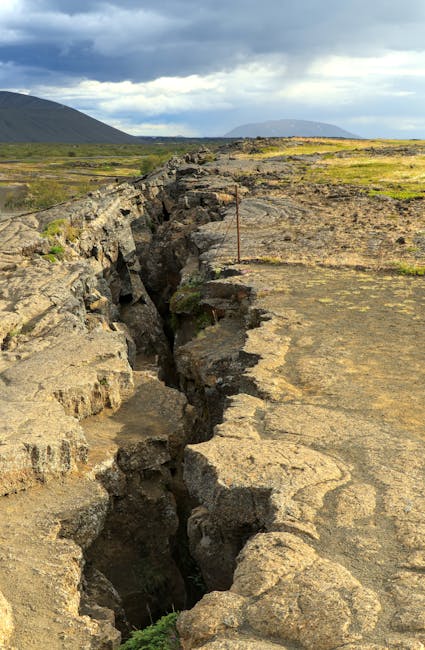
Tectonic plates gossip while bureaucracy snores
Britain doesn' do earthquakes. At least not the kind that warrant actual concern, as any geography textbook will tell you. Earthquakes happen in California or Japan, where architects design buildings that sway elegantly during tremors and children practice duck-and-cover drills. Britain gets drizzle and the occasional perplexed badger. Or so we thought until Silverdale, Lancashire started vibrating with newfound enthusiasm this December.
The British Geological Survey confirmed that a 2.5 magnitude tremor rattled the village in the early hours of December 19. This followed a 3.3 magnitude predecessor barely two weeks prior. Let us pause to appreciate the audacity of geological events occurring in Britain that require decimal points. When Silverdale residents reported hearing what sounded like violent furniture rearrangement beneath their feet, it wasn't because IKEA had launched a new flatpack earthquake simulator. The ground itself had apparently developed opinions.
Earthquake science becomes fascinating when applied to regions unaccustomed to such excitement. The BGS patiently explained that aftershocks represent the earth's crust settling its differences through smaller adjustments along existing fault lines. Think of it as geological aftercare following the main event. Five aftershocks typically accompany any earthquake exceeding magnitude 3. Technically speaking, Britain should consider this ordinary maintenance for its tectonic foundations.
Yet telling a Lancashire resident that twice monthly tremors qualify as routine feels similar to announcing that poltergeists fall within standard tenancy agreements. The cognitive dissonance arises because British infrastructure mirrors public complacency. Yorkshire cottages boast charming stonework, not seismic retrofitting. Development planning documents discuss flood risks, not fault lines. We've built a society where unexpected ground movement automatically suggests drunken relatives upstairs rather than actual geophysics.
The human impact merits closer examination. Those experiencing the tremors described not abstract scientific phenomena but visceral reality. Radiators clanged like a percussion section gone rogue. Photographs rattled against walls as though attempting escape. Many assumed heavy vehicles were crashing through their gardens before geological truth dawned. Herein lies the silent hypocrisy of institutional communication. When experts call such events unremarkable without context, they inadvertently minimize genuine human alarm. Equating a 2.5 tremor to geological yawn ignores its singular terror for people whose worldview previously assumed stable bedrock beneath their teacups.
Scientific literacy gaps worsen the disconnect. Few outside geology departments understand why aftershocks occur or how energy dissipates along fault systems. The BGS website explains these concepts expertly. However, explaining isn't communicating. When technical language drowns out engagement, it leaves room for misinformation and unnecessary panic. Someone always starts whispering about fracking operations or experimental government projects. The same communities receiving geological reassurances often feel excluded from broader risk discussions.
Britain's seismic history reveals overlooked vulnerabilities. The Dogger Bank earthquake of 1931 measured 6.1, damaging buildings hundreds of miles away. London experienced a 5.1 tremor in 1580 that toppled chimneys across the city. Historical context matters because absence of recent memory fosters complacency. Construction standards here prioritize structural charm over seismic resilience. Who would commission earthquake reinforcement for their detached Victorian home when the last concerning tremor occurred before color television?
Contemporary data analysis reveals disturbing patterns. When the BGS upgraded its seismic monitoring network in 2023, detection of smaller earthquakes increased dramatically. Britain experiences around 300 detectable earthquakes annually, including 30 above magnitude 2.0. The geological puzzle beneath us remains perpetually incomplete. Alongside natural faults, abandoned mines, collapsing salt caverns, and yes, even former fracking sites might contribute localized instability. None of this indicates impending catastrophe, but it gently undermines claims of universal tranquility.
Perhaps the greatest lesson from Lancashire lies in humility. Nature reserves the right to disrupt human assumptions. Earthquake science provides explanations, not guarantees. When experts lead with clinical detachment rather than empathetic communication, they erode public trust. When policymakers ignore even minuscule risks based on geographical stereotypes, they gamble with preparedness. Those rattling radiators contained an unspoken message, and it wasn't about steam pressure.
Moving forward demands acknowledging trivial tremors as teachable moments. Earthquake drills needn't dominate British school curricula, but basic preparedness belongs in national discourse. Municipal planners should reference seismic hazards where relevant, not avoid them for fear of panic. Geological institutions must bridge technical precision with public accessibility. Earth science remains fascinating precisely because it reveals connections between mundane moments and planetary forces.
So next time someone mentions feeling an earthquake in Britain, consider asking follow up questions before dismissing it. The planet speaks in subtle creaks and groans, occasionally shouting when we stop listening. Our collective response should blend scientific rigor with human curiosity. After all, fault lines cannot manage public relations paperwork, and tectonic plates operate without consulting cultural stereotypes.
Now if you'll excuse me, I'm off to secure my bookshelves. Not because I expect earthquakes, you understand. It's merely sensible household maintenance. Complete coincidence.
 By Tracey Curl