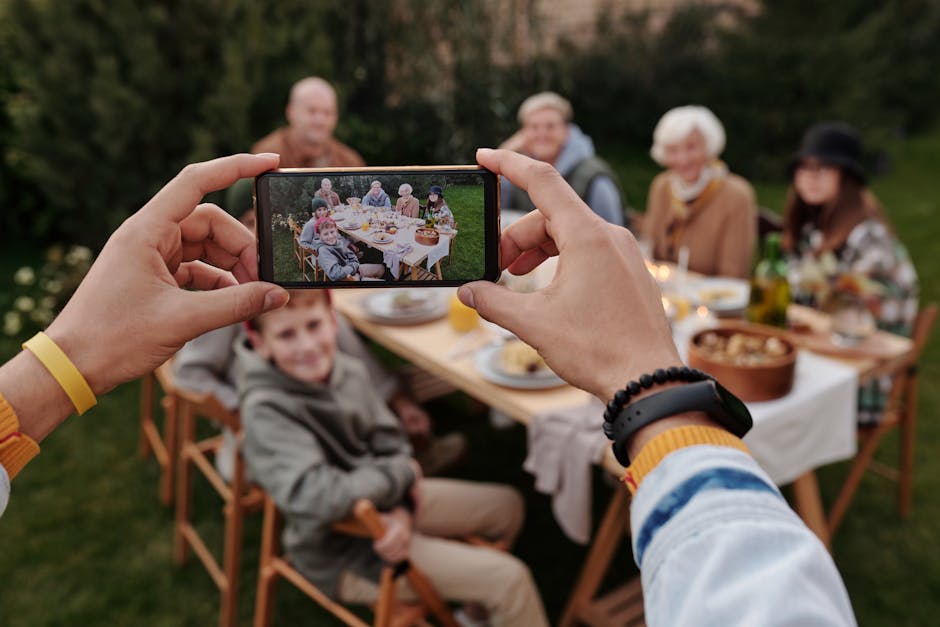
The yuletide screen time standoff exposing our collective digital hypocrisy
Every December brings two great certainties. First, religious leaders will issue heartfelt pleas for peace on Earth. Second, technology critics will beg you to stop checking Instagram during holiday dinners. This year’s British campaign urging parents to lead by example and switch off devices reveals something darker than seasonal goodwill fatigue. We’ve created a world where needing official guidance to be present with loved ones feels completely reasonable.
The statistics make for grim Advent calendar revelations. Nearly half of parents admit phones will clutter Christmas tables alongside roast potatoes. Research suggests smartphones already sabotage festive gatherings for 40% of adults. Teenagers describe phantom vibrations in empty pockets while watching grandparents scroll through TikTok. Children as young as eight report feeling like background characters in their parents’ endlessly updating social media dramas.
Here’s what makes this cultural moment fascinating. The same adults lamenting “brain rot” from endless scrolling have quietly outsourced parenting to YouTube’s algorithm. Middle aged managers who struggle concentrating through work meetings gasp at kids’ three hour Fortnite sessions. Schools ban phones during lessons while teachers grade papers with Netflix humming from their laptops. Our entire relationship with technology resembles somebody microwaving a healthy meal while smoking a cigarette outside.
Let’s acknowledge three inconvenient realities that make this Christmas phone ceasefire campaign both necessary and laughable.
First, hypocrisy isn’t just inevitable, it’s profitable. Tech giants design deliberately addictive interfaces while selling “screen time wellness” features. Smartphone manufacturers market parental controls as premium features after engineering devices children can’t put down. Educational apps monetize childhood distraction while schools invest in digital detox programs. We’re trapped in capitalism’s perfect loop, where the cause and cure for technological overconsumption generate revenue for the same corporations.
Second, screen time guidelines increasingly resemble medieval superstitions. Experts debate optimal durations like alchemists measuring mercury doses, yet nobody agrees whether scrolling through Wikipedia counts as intellectual enrichment or digital self harm. Parents yell at kids for texting during meals before spending 40 minutes photographing desserts for Instagram. We monitor children’s screentime down the second while binge watching entire Netflix seasons in single sittings. The double standard would be hilarious if it weren’t psychologically corrosive.
Third, regulatory solutions might worsen the problem. UK lawmakers float smartphone sales bans for under 16s while proposing age verification systems requiring more personal data harvesting. School phone locker policies ignore how many assignments now require internet access. EU digital wellness initiatives get bogged down defining whether Candy Crush constitutes cultural heritage. Meanwhile, actual children left to navigate algorithmic rabbit holes with minimal guidance beyond “don’t talk to strangers” and “put that thing away before I break it”.
Where does this leave families staring down another smartphone strewn holiday season?
Perhaps we should revisit history’s recurring moral panics. Baby boomers once warned television would melt young brains. Gen Xers got lectured about violent video games. Millennials faced hysteria over chat room predators. Each generation survived technologies adults found incomprehensible. But smartphones differ in critical ways they’re always accessible, socially mandatory, and designed by behavioral psychologists to maximize engagement. Banning them outright would require dismantling modern life’s infrastructure.
Practical solutions demand acknowledging uncomfortable truths. Families might embrace “tech amnesty hours” where all devices get locked in signal blocking pouches. Parents could allocate phone browsing time as consciously as scheduling holiday meals. Schools might teach digital literacy alongside algebra, recognizing technology has become humanity’s second nervous system. Most importantly, adults must confront why we compulsively check devices when surrounded by people we love.
My prediction? This Christmas will feature heartbreaking moments where children mimic parental phone zombie behaviors. Tablets will babysit toddlers so adults can argue about politics on WhatsApp groups. Teenagers will document staged family bonding moments for clout. But somebody, somewhere, will snap. Perhaps your aunt throws every smartphone into the pudding. Maybe your niece stages a cardboard sign protest demanding eye contact. Whoever rebels first deserves their own commemorative holiday ornament.
The uncomfortable truth remains. Kids absorb technological behaviors through observation, not lectures. Every parent scrolling Facebook during nativity plays teaches children devices trump real world experiences. Each dad filming football matches through his phone screen demonstrates recording matters more than remembering. We’re raising generations who understand technology’s power but remain alarmingly fuzzy on its purpose.
So here’s my Christmas wish. May your phone battery die at noon. May your Wi Fi router spontaneously combust. May app notifications arrive twelve hours late. Spend one miraculously disconnected day remembering human beings existed for millennia without checking LinkedIn between turkey servings. If nothing else, consider this. Twenty years from now, nobody wants their parenting legacy summarized as “Mom always smelled vaguely of hand sanitizer and refused to look up from Twitter.”
 By Thomas Reynolds