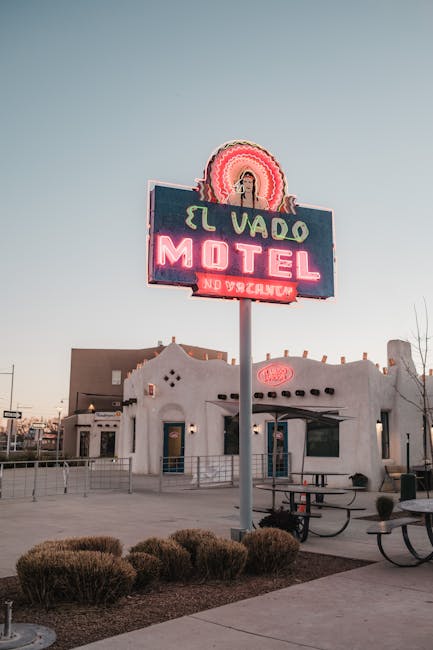
The bizarre magic of giant socks and UFO museums keeps America wonderfully weird
Let me confess something ridiculous. Last summer I drove six hours out of my way to see a concrete prairie dog the size of a school bus. When I finally stood beneath its chipping gray snout in Oakley, Kansas, surrounded by twelve other sweaty pilgrims watching their children climb its concrete paws, I felt something unexpected. Patriotism.
This exact feeling bubbled up while reading about NPR staffers' delightful travel dispatches from America's oddest corners this year. From New Orleans' Mardi Gras float warehouses to Roswell's alien autopsy dioramas, these places share glorious DNA with my beloved prairie dog. They're unapologetically weird, often slightly crumbling, and somehow fundamentally American. Yet we consistently undervalue these attractions as mere punchlines rather than cultural keystones.
Consider the towering chest of drawers in High Point, North Carolina. Nearly 40 feet tall with socks dangling like surrender flags to practicality, this monument to furniture feels like both a folk art installation and an obstinate middle finger to sophisticated European cathedrals. What NPR's correspondent rightly highlights though is the invisible labor keeping absurd treasures like this intact. Our collective eye roll at 'world's largest' gimmicks ignores the community caretakers preserving these time capsules of regional pride and pre internet creativity.
The hidden hypocrisy here? Cultural gatekeepers mock these attractions while jetting off to Instagrammable museums where you're herded through gift shops selling $45 ceramic mugs. Yet where's the genuine human connection? The real magic happens at places like the UFO Museum in Roswell, where wave after wave of families giggle nervously through darkened 'alien abduction' exhibits. My favorite moments from childhood road trips weren't at Grand Canyon overlooks but at attractions like South Dakota's Corn Palace, where you're bombarded with murals of Mount Rushmore made from corn cobs while locals sell caramel apple cider in souvenir cowboy hats.
This brings me to fresh angle number one. These bizarre landmarks function as generational equalizers. No one's checking your credentials at Bodie Ghost Town or debating if Mardi Gras floats qualify as 'high art.' The queerness scholar José Muñoz wrote about utopian spaces where rigid social structures temporarily dissolve. I'd argue America's roadside attractions tap into that same democratic escapism. Millionaires take the same cheesy photos beneath fiberglass dinosaurs as minimum wage earners. Everyone pays the same twelve dollar admission to gawk at jackalopes.
Angle two touches on economic revitalization. Local news constantly reports on new mixed use developments with luxury condos and artisanal pickle shops 'revitalizing' downtowns. Yet nobody talks about how the World's Largest Ball of Twine in Cawker City, Kansas sells more local gas station snacks and diner milkshakes per visitor than any Brooklynized main street ever will. My cousin runs Vermont's bizarrely beloved Museum of Everyday Life, featuring exhibits like 'The Pencil.' During leaf peeping season, school buses disgorge kids thrilled to see pencil shaving collages while parents buy local syrup from her jam packed gift nook. These attractions funnel tourism dollars directly into rural economies without corporatization.
My third angle? They reveal our hunger for mystery. We're living through an epidemic of over explanation. Spotify knows our music taste better than our partners. Algorithms predict our shopping habits. Yet I watched a grown man tear up at the International Cryptozoology Museum in Portland staring at a model of Bigfoot's foot. You can't Google an answer when standing before the Virgin Mary grilled cheese sandwich under glass in Las Vegas! These attractions let us collectively revel in unsolvable mysteries, whether that's 'Why does this exist?' or 'Could aliens really have crashed here?'
This brings me to personal bias. My father drove a 1987 Dodge Caravan with fake wood paneling and a peculiar smell. Each summer we'd visit attractions like The Thing? in Arizona (which I still believe involves a mummified cowboy) or Pennsylvania's shoofly pie themed rest stops. These trips taught me that joy lives in the journey between map dots. Noticing small town oddities became our family language. When Dad died, we scattered ashes near Mitchell, South Dakota's Corn Palace because we'd laughed there watching a marching band play Sir Mix a Lot amid corn husk murals.
Here's the cultural significance everyone misses. These attractions persist precisely because they can't be digitized. You can't TikTok your way through the haunted vibes of Bodie Ghost Town's wind whistling through abandoned saloons. No influencer filters capture the particular shade of turquoise on Roswell's alien statue smokestacks. They require physical presence in an increasingly virtual world.
Before dismissing these attractions as lowbrow distractions, remember the Bob's Big Boy statue that survived California wildfires through communal effort. Or coordinates fans leave at Nebraska's Carhenge to help others find this Stonehenge replica made from junked automobiles. These sites spark tender human connections far deeper than any Louvre selfie. I've seen weary truck drivers help families pose under Montana's giant copper cow statue, bonding over shared bewilderment. That's the secret sauce. We bond not through exclusivity but communal absurdity.
The Mardi Gras float workshop NPR discovered showcases something vital. These workshops maintain generational craft traditions while inviting public participation. No velvet ropes, no VIP access. Just artists hand painting papier mâché dragons while toddlers lick king cake frosting off their fingers.
Perhaps we love these places because they represent pre packaged fun in a world demanding constant self curation. Nobody needs to ask what vibe Kansas' Big Well should evoke. It's a giant hole in the ground! Why overthink it? This embrace of pointless delight feels radical in our optimization obsessed culture. There's something quietly punk rock about society celebrating a tribute to fabric storage furniture like North Carolina's massive dresser.
So next time you pass a billboard advertising 'See the Two Headed Calf' or 'Dinosaur Park Next Exit,' swerve toward the weird. These attractions represent democratized joy, historical preservation, and communal storytelling at its finest. In an era of deepfakes and environmental anxiety, they offer tactile authenticity. That giant prairie dog I visited? Its paw had initials from sweethearts, memorial dates for lost loved ones, and 'Class of 2025' painted by teenagers. All marking existence beneath something gloriously unnecessary. That inexplicable warmth in your chest? Call it patriotism for the beautifully bizarre America we actually inhabit.
 By Homer Keaton