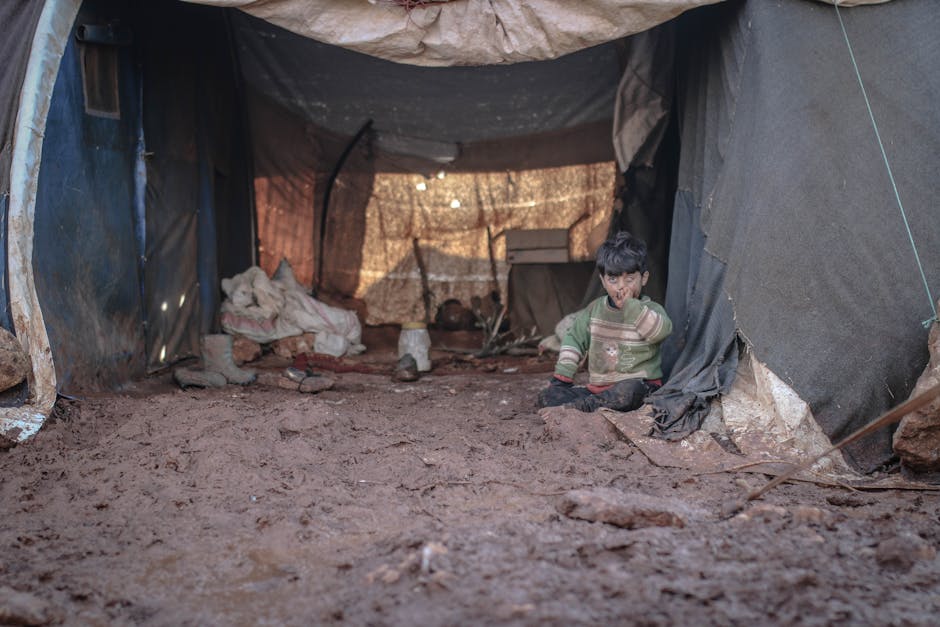
Old border bruises reopen as villagers run while generals talk.
Aiyoh, here we go again. Just when you thought Thailand and Cambodia had settled into kopi-o level predictability, artillery shells start flying near that troublesome Preah Vihear temple area. Thousands of villagers grabbing kids and chickens, running from homes that have become bargaining chips in a decades old game of diplomatic sepak takraw.
This temple quarrel dates back to when your grandparents were wearing bell bottoms. The International Court settled it in 1962 clearly, you'd think. But like that one auntie who brings up ancient family grievances every Chinese New Year, these border tensions bubble up whenever domestic politics need distraction. Human chess pieces moved by generals and ministers holding meetings in air conditioned rooms far from the red dirt where mango trees get shredded by shrapnel.
Don't play play friends. The Association of Southeast Asian Nations likes to host lovely summits with matching batik shirts and fancy buffets. Talk about "one vision, one identity, one community" until cows come home. But when two members start throwing real punches near World Heritage sites? Suddenly everyone develops sudden hearing loss, like uncles ignoring wives' shopping lists. ASEAN's non interference principle starts smelling a bit too much like helplessness garnished with platitudes.
You know who suffers? The rubber tapper who just planted new seedlings. The Cambodian granny selling fried spiders who lost her stall again. The Thai schoolteacher whose classroom now doubles as bomb shelter. Normal people wanting nothing but predictable sunrise and sunset, no special forces at high noon.
Economically speaking, it's damn silly timing. Both countries need post COVID recovery, not military expenditure. Cambodia's Prime Minister Hun Sen practically owns the word "pragmatism"; Thailand's leadership shuffling makes coalition building trickier than assembling IKEA furniture with missing screws. Border clashes distract from real issues like rising rice prices or that Mekong River drying up faster than Teh C Peng in afternoon sun.
Yet beneath this frustrating dance lies quiet resilience. Cambodian farmers salvaging cassava crops between ceasefires. Thai volunteers smuggling medicine across unofficial crossings. These stories never trend on Twitter but they show ASEAN's true spirit not found in policy papers. Civil society groups from both countries maintaining communication lines the generals keep cutting. Machine guns may "speak" louder, but whisper networks keep hope alive.
So where from here? Diplomatic mechanisms creak along. Indonesia currently chairing ASEAN might offer mediating whispers, though their hands full with domestic elections. China always happy to be "helpful friend" though their neutrality as weapons supplier to both sides deserves skeptical eyebrows. Perhaps Singapore-style problem solving needed, bring both sides for chicken rice talks where everyone too polite to throw chili sauce. Or maybe just pause see the stupidity wasting resources when climate change and economic storms demand cooperation.
Ultimately Southeast Asia survived worse. We remember Vietnamese boat people welcomed here, peace achieved after Cambodian genocide, Aceh conflicts resolved. This little spasm feels like monsoon season quarrel between neighbors sharing leaky roof. So take cover, yes. But don't forget the shared history beneath the angry rhetoric. After all, the bullets stop eventually. The friendships across that border endure.
 By Jun Wei Tan