How polymer coated broccoli could make climate resistant farms feel strangely joyful
Once upon a time, farmers battled plant sicknesses with the subtlety of stormtroopers firing pesticides. They sprayed clouds of antibiotics over fields, partly killing bad germs while mostly annoying good ones and occasionally making waterways sneeze toxic rainbows. Meanwhile, plants watched this chemical arms race unfold while slowly wilting in protest.
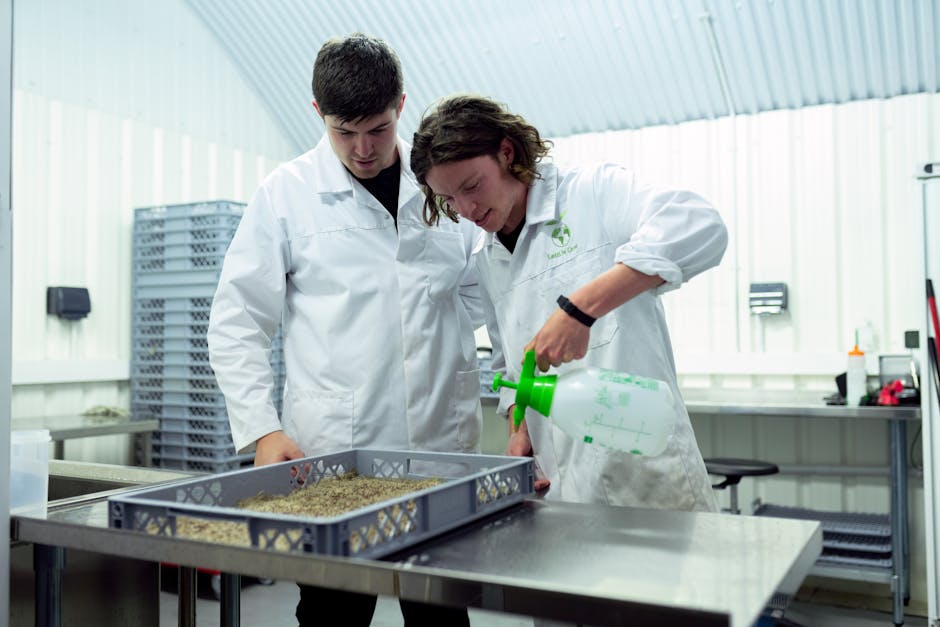
But a rebellion brews in San Diego labs. Scientists recently crafted what can only be described as Raincoat 3000, a spray-on polymer that bosses bacteria around with molecular scowls while holding water droplets like anxiously protective parents. Imagine wrapping spinach leaves in microscopic bubble wrap that also teaches villains the meaning of regret.
The coating’s secret lies in positivity. Not the motivational poster kind, though. The polymer bristles with positively charged groups that hug bacteria so aggressively their cell membranes blush and collapse. It’s less like an antibiotic and more like forcing microbes to listen to baby shark recordings until they decide existence is overrated.
What’s crazier? Coating even a speck of leaf ignites plantwide immunity. It’s as if the melon vine sends smoke signals screaming potential pathogen gossip until distant cucumber relatives perk up and riot against the germs.
Plants being overdramatic, however, assume the worst first. When scientists spray the goo, leaves briefly produce hydrogen peroxide like romantic poets contemplating heartbreak. Then moments later, everything calms down. The plants go back to photosynthesizing peacefully while secretly filing away survival hacks for future dry spells.
Which brings us to drought resistance. The coating sticks to leaves like determined toddlers hugging knees, reducing water evaporation. But just like humans who suddenly remember old gym memberships when the doctor yells, the spray kickstarts the plant’s internal drought defense system. Lab tests showed sprayed plants could survive four day dry spells resembling tiny botanical Woodstock festivals without water trucks.
Now picture a future where farms function less like war zones and more like enthusiastic science fairs. Farmers could hustle between rows spraying biodegradable smiles while singing bad 80s rock ballads. Crops would waggle appreciatively wearing their snazzy new polymer jackets like suburban dads barbecuing in Hawaiian shirts. Meanwhile, smug bacteria hover at field edges wondering when their VIP passes got revoked.
This isn’t sci fi. Such coatings already work on tobacco as test subjects, though tragically nobody informed the plants they’d never become cigars. The magic potion lasts weeks until rain politely washes it away like makeup on a teary romcom heroine. Scientists now tweak the formula’s biodegradability, ensuring strawberry plants won’t end up wearing plastic sweaters underwater when runoff hits oceans.
Credit heroically goes to engineering teams that merged plant whispering with nanotech wizardry. Most polymer coatings require toxic solvents that make plants as cheerful as cats in bathtubs. This version mixes with water so successfully that even professional houseplant executioners could use it without collateral damage.
Think of it as sunscreen for agriculture. Just as humans slather creams blocking ultraviolet insults, plants now get molecular shields repelling relentless bacterial paparazzi. Better yet, unlike human sunscreens that turn eyeballs into chemistry experiments when sweaty, this coating just dissolves harmlessly without commentary.
The implications deliver rare optimistic news about humanity’s chaotic relationship with nature. For millennia, humans fought ecosystems with clumsy arrogance while forgetting they really chaperoned food sources on a doomed space rock. Now, maybe, we collaborate with plant survival mechanisms rather than bulldozing them. Imagine engineers and botanists fist-bumping as bean vines chuckle nervously nearby.
Challenges remain, obviously. Scaling production involves more drama than teaching goldfish synchronized swimming. Farmers need spray systems affordable enough that nobody debates selling kidneys. Plus regulatory agencies must nod agreement without needing forty years of committee naps.
Still. This polymer moment brings lovely ideas. What if protecting crops required less bulldozing soil vitality or carpet bombing useful insects? What if tomatoes could endure erratic weather like elderly yogis meditating through neighborhood construction? And what if agriculture finally morphed into biomimicry poetry instead of chemical warfare documentaries?
Perhaps twenty years hence, grandchildren will giggle hearing tales of farmers drowning fields in pesticides like castles fending off dragons. They’ll harvest unnervingly cheerful kale from backyard gardens misted monthly with science raincoats. Their mightiest tools won’t be herbicide tanks resembling Godzilla’s backpacks but pocket sized spray bottles decorated with dinosaur stickers.
Progress often blooms in peculiar ways. Researchers obsessed with tiny norbornene molecules accidentally discovered how to give plants whole new confidence levels. Meanwhile, somewhere between lab notes and tractor seats, someone might accidentally pioneer farming that feels less like survival and more like gardening with optimists. Here’s hoping.
 By Nancy Reynolds