Behind the viral handbag frenzy, a cold lesson in artifice
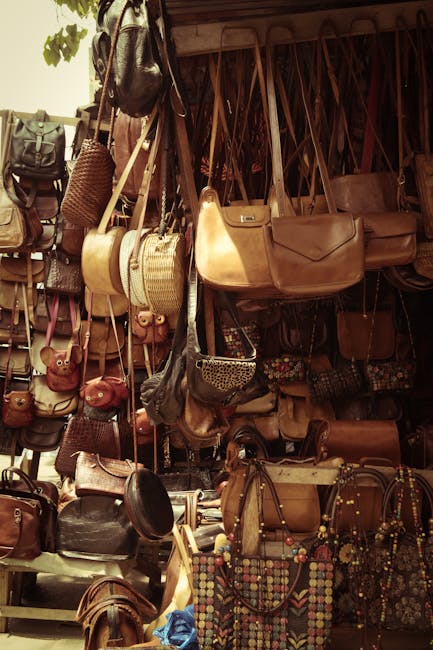
On Sunday mornings at Manhattan's Grand Bazaar, two queues now form. One winds toward the flea market's general entrance. The other targets a single table displaying brightly colored handbags that recently achieved TikTok fame. Francis Pierre Laborde, the Harlem based designer behind these accessories, has become an unlikely case study in how digital virality collides with physical retail logistics.
The reported details suggest organic discovery. A social media influencer's endorsement last year spurred initial interest. Subsequent videos documented crowded tables, sellouts within minutes, scrambling shoppers. Prices rose from $295 to $1200. A ticketing system replaced the free for all. The narrative echoes familiar tropes of grassroots artisanal success. Yet several anomalies demand scrutiny.
First consider the pricing trajectory. Independent leatherworkers operating from apartment studios typically lack the production capacity to justify quadrupled pricing within twelve months. Bulk material discounts cannot explain such escalation for small batch goods. Traditionally, luxury brands deploy gradual price increases tied to retail partnerships or celebrity endorsements. Laborde's pricing curve more closely resembles venture backed direct to consumer startups than solo craftsmen. The question isn't whether the bags warrant the cost, but how pricing strategy detached from traditional scaling metrics.
Then examine the distribution model. Physical scarcity at a weekly flea market creates performative urgency, yet this contradicts standard luxury growth patterns. Established brands cultivate exclusivity through controlled allocations to high status retailers. Emerging designers typically secure boutique consignment deals before commanding premium pricing. Laborde bypasses these channels entirely, maintaining the market stall as primary sales outlet despite apparent demand for broader distribution. This suggests deliberate containment to preserve the viral narrative.
The crowds themselves present logistical and legal questions. Attendees describe mosh pit like conditions, rushing tables, hours long waits ending in disappointment. Flea markets generally carry liability insurance for routine foot traffic, not frenzied product launches. Previous retail stampedes have resulted in wrongful death lawsuits. The ticketing system now imposed appears reactive rather than strategic, a stopgap measure signaling lack of infrastructural forethought.
Material sourcing remains conspicuously unexamined in the broader coverage. Genuine leather and pony hair production involves complex supply chains subject to commodity price fluctuations traceable through USDA and tannery industry reports. Laborde's purported rapid output expansion would necessitate access to bulk wholesale channels uncommon for independent artisans, potentially undermining the bespoke narrative. Ethical certifications for materials go unmentioned.
Comparisons to Supreme's drop model emerge upon examination. That streetwear brand mastered artificial scarcity through limited releases at nondescript locations, creating consumer frenzy that justified premium pricing. But Supreme's strategy relied on collusion with secondary market resellers to fuel hype, a symbiotic relationship between brand and speculators. Laborde's marketplace model prevents such aftermarket exploitation, inadvertently capping long term value retention for buyers. This missing resale ecosystem questions the bags' investment potential despite price positioning aligning with appreciating assets like Hermès.
Historical precedent offers caution. The 1990s Beanie Baby bubble demonstrated how flea markets morph into speculative trading floors when perceived scarcity meets irrational demand. More recently, Pierre Hardy's early career saw intentional supply constriction through exclusive partnerships with Colette before broader distribution. True artisan success in accessories requires either meticulous slow growth or venture capital to industrialize production. Laborde appears caught between these paths.
Labor practices warrant equal attention. Solo artisans producing leather goods typically manage five to ten bags monthly without industrial equipment. Laborde reportedly sells out hundreds monthly. This output implies assembly line production or undisclosed outsourcing incompatible with the studio crafted branding. The Harlem apartment workspace becomes theatrical set rather than functional manufactory.
The racial dynamics of branding merit detached analysis. A Black creator achieving viral fame in Harlem carries cultural resonance absent from similar stories about white designers in SoHo. Market narratives frame Laborde's success as community uplift rather than business strategy. This obscures whether identical pricing and scarcity tactics would draw praise or skepticism applied elsewhere.
Ultimately, the phenomenon reveals less about craftsmanship than about distribution channel disruption. Luxury conglomerates experiment with pop up shops and direct consumer events to replicate authentic discovery moments. Laborde inadvertently reverse engineered this, creating gray market spectacle outside traditional retail architecture. The real story isn't the bags, but how easily flea market theater now substitutes for department store prestige when paired with algorithmic amplification.
What remains unresolved is whether such models produce lasting enterprise value or temporary cultural cachet. History favors the latter. The tension lies between genuine artisan economics and performance art calibrated to monetize digital attention cycles. Neither explains Laborde's positioning as simultaneously accessible local creator and aspirational luxury provider without supply chain transparency.
The frenzy continues for now. Queues lengthen. Videos accumulate views. Prices ascend. And beneath the performative consumer chaos lies the quiet machinery of narrative economics, operating precisely as designed.
 By Tracey Wild