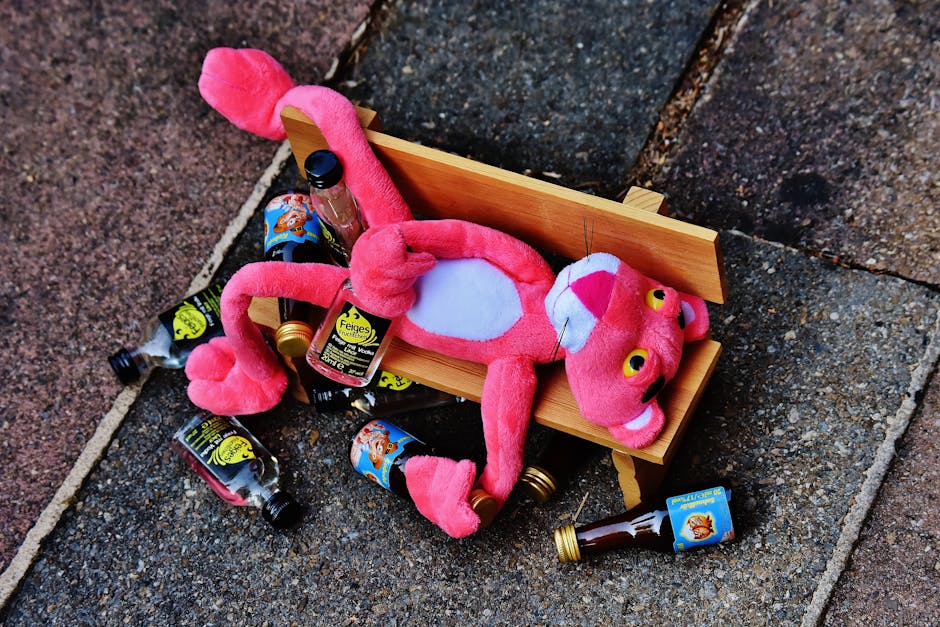
A tipsy raccoon's liquor store escapade exposes our cultural contradictions
In rural Virginia, a liquor store burglary investigation took an unexpected turn when authorities discovered not a career criminal, but a raccoon passed out amidst shattered liquor bottles. After apparently consuming several bottles of spirits, the furry intruder had retreated to the store's restroom to sleep off its intoxication, creating the kind of story that temporarily displaces political scandals and celebrity gossip in our collective attention span.
This peculiar incident speaks volumes about our cultural moment. Beyond the surface level humor lies a complex web of contradictions about how we view transgression, responsibility, and innocence when non human actors are involved. Why do audiences embrace animal misbehavior with such delight, while condemning similar human conduct? This question reveals uncomfortable truths about modern culture.
The entertainment industry has long capitalized on our penchant for anthropomorphizing animals. From ancient Aesop's fables to modern viral videos, we consistently project human motivations onto creatures simply behaving according to their nature. Walt Disney essentially built an empire on this psychological tendency, transforming vermin into Cinderella's helpers and raccoons into bandit masked adventurers. Modern social media amplifies this phenomenon tenfold, creating overnight animal celebrities based on single moments captured outside their normal behavioral context.
Virginia wildlife officials report a 38 percent increase in human wildlife conflicts over the past five years, a statistic that reflects expanding suburban development encroaching on natural habitats. This particular raccoon's adventure follows a pattern of increasingly bold urban wildlife behavior documented across North America. From bears breaking into Colorado candy shops to deer crashing through Ontario department stores, animals navigate human spaces with growing frequency as their habitats shrink. Critics argue our viral fascination with these incidents dangerously minimizes the real ecological crisis behind them.
The hypocrisy surrounding this intoxicated raccoon episode reveals our society's uneven moral compass. When college students film drunken escapades, they risk academic discipline and future employment consequences. When a raccoon destroys property while intoxicated, it becomes an internet hero. The county animal shelter's Facebook post framing the raccoon's release as having "learned that breaking and entering is not the answer" reflects this peculiar duality wherein we simultaneously acknowledge the seriousness of property crime while dismissing it through humor because the perpetrator has paws.
Our entertainment consumption patterns reinforce these contradictions. Reality television showcases human drunken behavior as either tragic (intervention shows) or comedic (Jackass style content), but rarely neutral. Animal focused programming consistently presents wildlife misbehavior through anthropomorphic narratives, from Disney's classic nature documentaries that invented complex emotional lives for animals to viral TikTok compilations set to playful music. This conditioning teaches audiences to view animal trespassing as charming rather than consequential.
Historically, animals have served as cultural scapegoats and morality tales. Medieval villages held public trials for pigs accused of infanticide. Early American newspapers reported on elephant executions after circus accidents. Our modern version installs raccoons in the pantheon of accidental comedians. The Virginia store owner's good humored response about providing a "sober ride home" contrasts sharply with how businesses typically react to human vandalism. Imagine the social media response had a homeless person rather than a raccoon been discovered intoxicated after damaging property.
The financial repercussions here deserve consideration. Liquor store owners face significant losses from such incidents, with the Virginia Retail Merchants Association estimating annual damages from wildlife break ins exceeding $800,000 statewide. Most small businesses lack insurance coverage for animal related property damage, making them particularly vulnerable to these unusual events. Yet public discussion focuses entirely on the comedic aspects rather than these economic realities.
Wildlife rehabilitation specialists express growing concern about animals accessing human food and alcohol sources. Dr. Alicia Jenkins of the National Wildlife Federation notes that repeated exposure to ethanol can cause lasting neurological damage to raccoons and other wildlife. The same public that laughs at drunken raccoon videos would rightfully condemn someone intentionally getting animals intoxicated. This inconsistency highlights our cognitive dissonance regarding animal welfare versus entertainment value.
From an industry perspective, this raccoon's misadventure follows a well established pattern of viral animal content monetization. Social media platforms prioritize engagement driven content regardless of broader implications. The lack of surveillance footage showing the raccoon's initial break in creates narrative gaps easily filled by imagination and humor. This missing visual element paradoxically strengthens the story's virality by allowing creative reinterpretation across platforms.
The law enforcement response itself reflects evolving cultural attitudes. Officer Martin's compassionate handling of an intoxicated suspect contrasts with traditional policing approaches. Her willingness to let the raccoon "sleep it off" might inspire important conversations about how society treats human intoxicated persons. This story inadvertently becomes a mirror reflecting our values across species lines.
Popular culture frequently revisits the archetype of the charming rogue, from Robin Hood to Bart Simpson. The raccoon's bandit mask makes it an especially suitable candidate for this role. This visual symbolism explains why raccoon stories frequently go viral compared to incidents involving less distinctive looking wildlife. Hollywood has conditioned us to recognize specific physical traits as shorthand for personality characteristics, a phenomenon wildlife photographers have exploited for decades.
Social scientists observe that viral animal stories often emerge during periods of intense political polarization or economic hardship. The Great Depression saw massive popularity of Shirley Temple films and screwball comedies. Our current era of global instability produces similar demand for escapist entertainment. This raccoon's unintentional performance provides relief from heavier news cycles, making its timing particularly culturally resonant.
The ethical questions surrounding such content deserve examination. Celebrating wildlife self destruction might inadvertently encourage dangerous behaviors. Colorado parks officials recently reported increased incidents of tourists attempting risky selfies with intoxicated wildlife after a viral "drunk squirrel" video last Christmas season. Our entertainment consumption cannot be separated from real world consequences.
As urban environments continue expanding into natural habitats, human wildlife encounters will inevitably increase. The Virginia raccoon incident offers preview of future tensions between entertainment value and ecological responsibility. While this particular story ends harmlessly enough, our cultural response establishes dangerous precedents for dismissing potentially serious situations through humor. Wildlife adapts to human presence while humans interpret adaptation as amusement.
Every culture has its trickster figures, from Norse mythology's Loki to West African folklore's Anansi the spider. The raccoon occupies this role in modern American storytelling. Viewing real wildlife through this mythic lens may provide psychological comfort regarding our own antisocial impulses. Perhaps we love these animal escapades because they offer absolution through attribution of our shadow selves to creatures seemingly exempt from moral judgment.
Ultimately, this drunken raccoon story reveals more about human psychology than animal behavior. Our appetite for consequence free transgression projected onto non human actors speaks to unaddressed tensions in modern life. Until we confront why society needs these periodic animal mischief narratives, we'll keep creating new wildlife celebrities through our own cultural contradictions. The next viral animal sensation isn't a matter of if, but when and in what level of ridiculousness.
 By James Peterson