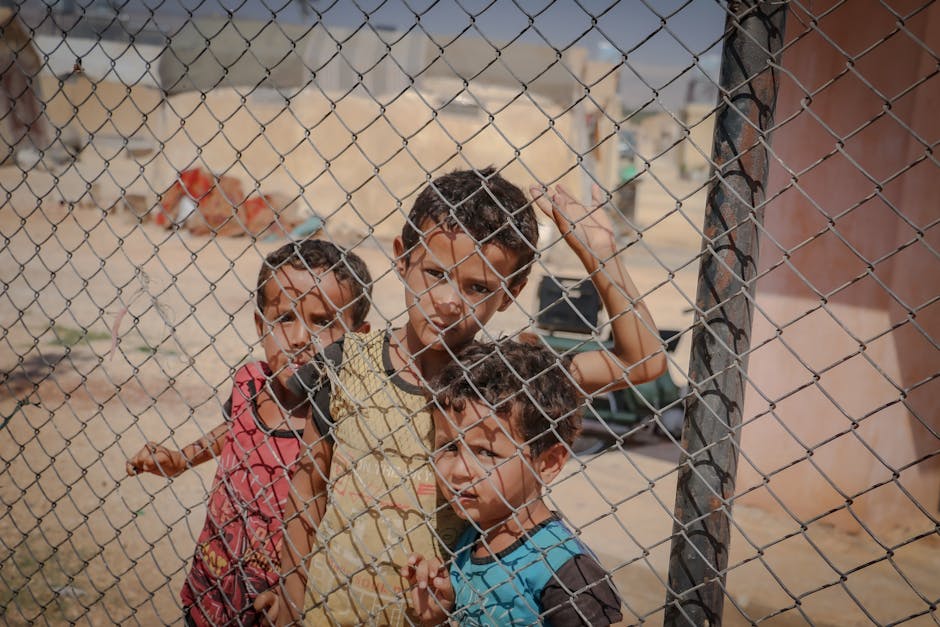
A massacre unfolds in Darfur with the world on pause.
It is a curious phenomenon that people will spend hours debating whether a hot dog qualifies as a sandwich while ignoring the existential screams of entire cities. The human mind excels at denying inconvenient truths. We filter tragedies through an unspoken hierarchy of suffering, like a moral spam folder that automatically sends certain catastrophes to trash.
The siege of El Fasher demonstrates this selective deafness with brutal clarity. For eighteen months, Darfur's capital endured artillery barrages and starvation tactics while the world debated celebrity feuds and viral dances. When the Rapid Support Forces finally overran the city last October, they didn't just capture territory, they weaponized human cruelty. Verified accounts describe summary executions, systematic rape, and fighters shooting wounded survivors pleading for mercy. Entire families vanished into mass graves while YouTube algorithms recommended cooking tutorials.
Sudan's civil war has displaced over twelve million people, nearly triple Ukraine's refugee count at the height of its conflict. Ninety thousand fled El Fasher in its final bloody days according to UN estimates, joining roughly nine hundred thousand others in Chad's desert camps. Survivors carry invisible wounds beyond malnutrition and disease, the psychological toll of watching neighbors dismembered and children slaughtered. Their testimonies echo those from Rwanda and Srebrenica, predictable repetitions history refuses to learn.
What makes this silence particularly deafening is its selective nature. While Western governments mobilized billions for Ukraine within weeks, Sudan's humanitarian appeals remain woefully underfunded. The UN's 2023 Sudan response received barely forty percent of required donations. This disparity highlights no one's malice but rather humanity's flawed prioritization software, struggling to process tragedies lacking clear geopolitical stakes or photogenic European victims.
The logistical barriers to covering Darfur compound this neglect. Unlike Kyiv or Gaza, foreign journalists cannot enter El Fasher without risking execution, making refugee camps in eastern Chad our lone window into the horror. Even there, survivors face impossible choices. Reporting rape invites social ostracization in conservative communities, yet silence ensures the perpetrators' impunity. Collecting evidence risks attracting the RSF's attention to relatives still trapped in Sudan.
None of this suggests helplessness, however. Recent history proves determined international pressure can curb atrocities. The Emirates Airlines pause of RSF leaders' travel privileges following activist campaigns shows corporate leverage exists. Satellite imagery documentation by groups like Sudan Witness creates courtroom ready evidence. Even small diplomatic shifts matter, like last month's UN Security Council resolution demanding the RSF lift its siege of El Fasher, possible only because nine nations overcame veto threats.
The road forward requires pragmatic idealism. First, expand cross border aid corridors from Chad using the February cease fire agreement as leverage, since aid access remains Sudan's sole point of consensus. Second, fund forensic documentation now rather than waiting for eventual ICC trials. Third, pressure regional powers like Egypt and Saudi Arabia to stop treating Sudan as proxy battleground. Lastly, challenge media editors to dedicate Ukraine level coverage, including assigning Arabic speaking correspondents to Chad's camps.
This isn't charity, but strategic pragmatism. Collapsed states become terrorist incubators and migration crucibles, exporting instability across continents. Helping Sudan helps us all. When mothers like Manahil Ishaq watch their children die for lack of antibiotics, resentment festers that extremists harvest. Every ignored atrocity plants landmines in humanity's future path.
Perhaps our saving grace is that moral leadership sometimes appears unexpectedly. Look at Chad, one of the world's poorest nations, sheltering nearly a million refugees despite its own economic crisis. Its welcome contrasts painfully with rich nations turning away asylum seekers. If nomadic herdsmen in desert villages can share their last bowl of millet, surely industrialized states can spare more than crumbs.
The real question isn't why Sudan burns, but why our empathy remains fireproofed. Maybe recognizing our biases is the first step toward overriding them. Ask yourself honestly, did you know Darfur's displacement now exceeds Syria's entire refugee crisis, and is second only to Afghanistan globally. That uncomfortable truth shifts perspectives. So next time your social feed shows refugees, pause before scrolling. Remember that hot dogs will still be sandwiches tomorrow, but the twelve million displaced Sudanese can't press pause on their survival.
 By George Oxley