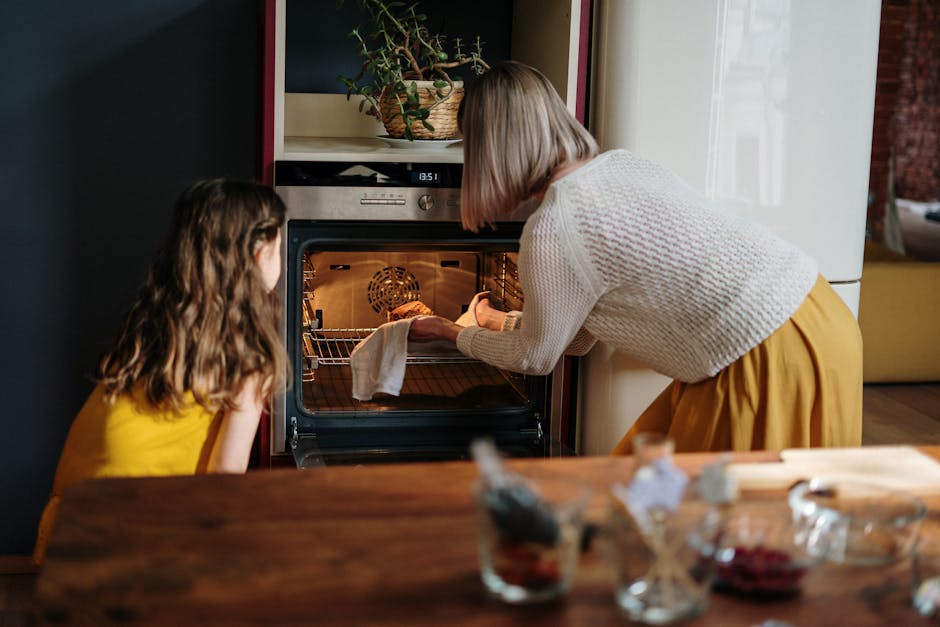
Invisible threats in plain sight, redefining the meaning of home safety
A pop up toaster sits unassumingly on your kitchen counter. A hair dryer rests in your bathroom drawer. These familiar objects hold memories of sleepy breakfasts and rushed mornings, their comforting presence woven into the fabric of ordinary life. Yet according to sobering new research, they may be executing a slow motion betrayal of trust, exhaling trillions of invisible invaders into the spaces where we nourish and nurture our families.
This quiet revolution in our understanding of domestic danger began when South Korean scientists built a special laboratory chamber to measure what traditional air quality assessments had missed. What they found should redefine how we view household safety. That innocent looking toaster, they discovered, can spew 1.73 trillion ultra fine particles per minute. These specks are so minuscule 94 times smaller than a single red blood cell that they effortlessly bypass our biological defenses, carried on ordinary air currents deep into the vulnerable terrain of young lungs.
When I first encountered these numbers, my hand instinctively brushed across my sleeping child's back, recalling those rushed preschool mornings making toast through sleep blurred eyes. I pictured the tiny particles like swarms of microscopic shrapnel, penetrating what should be sacred ground. The researchers, careful scientists that they are, avoid dramatic language. Their computer models simply show children retain 1.6 times more of these particles than adults, their smaller airways becoming tragic efficiency traps.
Yet the true scandal lies not in these disturbing findings, but in the decades long silence surrounding them. While governments worldwide established elaborate outdoor air quality monitoring systems and emissions standards for automobiles, they left indoor environments essentially unregulated fiefdoms ruled by appliance manufacturers. The hypocrisy stings when we consider how modern parents obsess over organic baby food but remain oblivious to heavy metals vaporized by their morning bagel ritual.
Heavy metals. That's the other gut punch from this study. Beyond just particulate matter, those swirling nanoparticle clouds contain copper, iron, aluminum. They sound like ingredients for medieval alchemy, not components of suburban breakfast routines. Lead researcher Changhyuk Kim explains with academic restraint how these metallic intruders heighten risks of cell damage and inflammation. His careful language cannot obscure the Dickensian horror of tinier chests accumulating industrial residues during adolescence.
We have been here before. History echoes through these findings like a warning bell. Remember when asbestos lined our walls and leaded gasoline perfumed our neighborhoods, industry insisting all was safe until bodies piled high enough to change the conversation. That pattern repeats today with manufacturers trumpeting energy efficiency while sidestepping emissions testing of their products. The brushless hair dryer in this study emits 100 times fewer particles than traditional models, proving cleaner technology exists when profit incentives align with public health. That such superior alternatives remain niche products rather than industry standards reveals our skewed priorities.
The human impact defies dry statistics. Picture a young asthma patient struggling for breath after her mother fries chicken tenders in their air fryer. Envision the cardiology nurse witnessing cluster after cluster of inexplicably young hypertension cases in neighborhoods where outdoor pollution markers look pristine. Consider the oncologist reviewing patient histories and noticing unusual patterns of environmental exposure. These professionals see the ghostly signatures of indoor pollution daily but lack the systemic data to connect the dots officially.
There exists a cruel irony in the timing of these revelations. Following climate disasters and global pandemics, we transformed homes into fortified sanctuaries. Schools closed, offices shuttered, and private spaces became our whole world. Just when we needed indoor air purity most, science illuminated how our self made cocoons might slowly suffocate us. The hairdryer warming you before that important job interview, the air fryer simplifying dinner during depressive episodes, the bread toaster offering comforting routine these tools of modern convenience become double edged swords.
Solutions beckon from unexpected quarters. While regulatory bodies drag their feet, adapting proven industrial safety protocols could offer immediate relief. HEPA filters designed for clean rooms now come in sleek home units. Third party appliance certification programs could empower consumer choice, like energy star ratings did for electricity consumption. Architects might rediscovery passive ventilation techniques discarded during the mid century obsession with sealed buildings. Technology alone won't suffice, but coupled with awareness campaigns in medical waiting rooms and school newsletters, it could catalyze change.
On the policy front, we must confront difficult questions about environmental justice. Ultra fine particle pollution respects no property lines, but its consequences fall most heavily where resources are scarcest. The family stretching budgets to replace appliances faces protracted toxic exposure while wealthier households upgrade proactively. Schools serving underprivileged children likely continue using outdated classroom equipment essentially gassing vulnerable populations with every science lesson involving hot plates or convection ovens.
Medical professionals face their own reckoning. How many physicians ask patients about their air fryer usage when treating childhood asthma or investigating stubborn hypertension cases. Could detailed environmental histories become standard practice like checking for smoking habits or occupational hazards. Hospitals themselves must examine the particles emitted by their countless food warmers and hairdryers used for bedridden patients ironically undermining healing where it should be most prioritized.
This scientific revelation carries profound philosophical implications. Our civilization outsourced air quality protection to regulators while surrendering appliance safety testing to corporations motivated by quarterly earnings. Meanwhile, ordinary people performed minor miracles balancing work, childcare, and household management with zero training in toxicology. The expectation that consumers independently navigate risks hidden even from microscopy erodes basic social contracts about collective wellbeing.
Change begins with reframing indoor spaces ecologically. Our homes are not sealed bubbles but living systems exchanging particles constantly. The boundary between personal and planetary health blurs when global supply chains deliver toxin spewing devices lacking proper oversight. This recognition inspires practical actions, from simply opening kitchen windows while toasting bagels to demanding transparency about UFP emissions on product labels. Such small steps create momentum behind legislative reforms like establishing residential air quality standards mirroring workplace protections.
Companies face reckoning moments too. The scientist in me admires those engineers who redesigned hair dryer motors to emit fewer particles. The activist wonders why such innovations remain optional extras rather than baseline requirements. Businesses choosing ethics over maximum profit margins should receive precise tax incentives and public praise, guided by watchdog groups publishing appliance safety rankings alongside consumer reports on durability and price.
Parents confronting these findings often cycle through predictable reactions: guilt over countless mornings operating particle canons near children's breakfast plates, anger towards systems designed to obscure these risks, paralysis when contemplating the expense of replacing offenders. These emotions must transform into collective political will rather than personal despair. Protecting lung development isn't a privileged lifestyle choice but society's fundamental responsibility.
Hope emerges from strange places. That same ultra fine particle research unveiled simple technological remedies when corporate priorities align with human welfare. Some air fryers produced negligible emissions, proving cleaner engineering exists. Innovations like graphene coated heating elements virtually eliminate metal shedding, while ceramic composites promise particle free warmth. These alternatives simply need the manufacturing scale that public pressure could unleash.
Perhaps most inspiring was one scientist's off record confession during my research for this piece. He explained how particle emission tests cost less than $200 per appliance type, a rounding error in corporate budgets. Saving lives might literally amount to pennies per device when spread across production runs. Such facts shame our current complacency while lighting paths toward rapid improvement.
We stand at a watershed moment resembling past public health transformations. Like when germ theory revolutionized surgery or seat belt mandates rewrote automotive safety. Those seismic shifts combined scientific evidence, media advocacy, public outrage, and political courage. Now we must add toasters and hair dryers to history's list of preventable threats unmasked by stubborn truth tellers. Our children's bodies, miniature universes teeming with potential, deserve nothing less than homes that nurture rather than poison, sanctuaries where their developing lungs expand toward futures unpolluted by our current negligence.
The ordinary kitchen transforms under this new understanding. No longer just a site for nourishing meals, but ground zero in an invisible war whose casualties mount silently behind closed doors. Our weapons in this battle include transparency, regulation, and consumer activism wielded with unrelenting compassion. Once armed with knowledge, we redeem those simple acts parenting, cooking, self preparing not as threats but as expressions of love made safe by collective vigilance.
 By Helen Parker