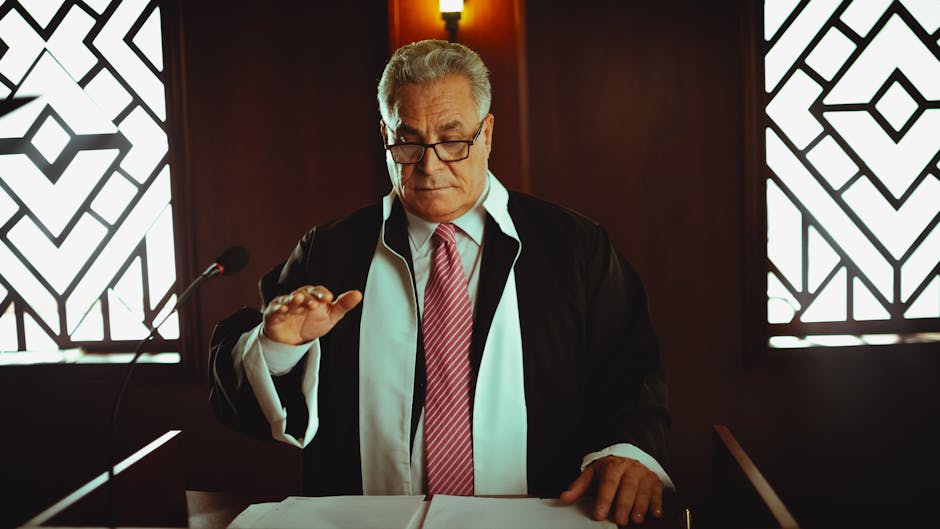
Picture twelve everyday folks swapped for one robed referee in Britain's courtroom circus.
I once dodged flying canapes at a dictator's bash in some far flung outpost, but nothing preps you for the spectacle of Britain's legal eagles circling the Ministry of Justice with talons out. Over a hundred top lawyers, including two dozen king's counsel, fired off a blistering letter accusing ministers of thumbing their noses at professional wisdom. The beef? A sweeping proposal to gut jury trials, reserving them only for the gravest crimes like murder or rape, while judges fly solo on everything else carrying up to five years inside. Magistrates get a power boost too, handling cases up to two years. It's billed as a backlog buster, but the barristers call it a catastrophic misstep that torches a cornerstone of fair play.
Let's unpack the drama without the legalese fog. Courts in England and Wales are drowning under some 78,000 pending cases, a pile up that leaves victims twisting in limbo, jobs lost, mental health crumbling. One minister painted vivid pictures of survivors bailing on testimony because waiting feels like eternity. Fair point, delays mock the old saw that justice postponed is justice denied. But here's the rub, these reforms zoom past even the suggestions from a high powered review by Sir Brian Leveson, opting for judge only tribunals across a broader swath. Lawyers howl that experience screams no, judicial solo acts lack the diverse gut checks of twelve ordinary citizens.
Flash back to 1215, when barons strong armed King John into Magna Carta, embedding trial by peers as a bulwark against royal whims. Fast forward through centuries, and juries stand as democracy's everyday heroes, filtering bias, injecting common sense. Remember that 2017 probe into criminal justice biases? It spotlighted juries as prejudice detectors, weeding out systemic flaws no lone judge might spot. Ditching them wholesale risks not just errors, but a frayed bond between state and street level folk. One bar association head nailed it, this severs the thin thread linking power to people, breeding distrust that invites tyranny fears.
Now, pivot to the money trail, because politics never strays far from pounds and pence. That backlog devours billions yearly in holding costs, overtime for overworked staff, endless adjournments. Investors eye stable rule of law like hawks, and wobbles here could spook markets, hike insurance premiums, even nudge crime rates as faith fades. Think of it like a leaky roof in your local pub, ignore it and soon the whole joint floods. Reforms promise quick fixes, yet history whispers caution. Places like Scotland toyed with similar judge only models for efficiency, only to face backlash over perceived elitism. Across the pond, America's jury devotion underpins a system that, for all its quirks, commands global respect, processing mountains of cases without wholesale peer purge.
Zoom out globally, and France mixes professional judges with lay assessors in heavy cases, blending expertise with public input. Germany leans on mixed panels too, proving you can clear dockets without solo judicial rodeos. Britain's move feels like sprinting blindfolded toward a cliff labeled efficiency, ignoring trails blazed elsewhere. What if the real backlog villain is chronic underfunding, not jury rituals? Post pandemic hiring lags, crumbling courtrooms, prosecutor shortages all conspire against speed. Bolting on judge only trials might shave weeks off some hearings, but at what soul cost?
Human stakes hit hardest. Imagine the shop worker fingering a thief, only to wait years for closure, her life stalled. Or the accused rotting on remand, presumed innocent yet punished by delay. Families fracture, economies stutter as witnesses ghost the process. Critics fear judge only realms amplify elite blind spots, missing cultural nuances twelve strangers catch instinctively. Data from pilot schemes shows juries acquit more in complex frauds, their collective wisdom piercing smoke screens solo minds might miss. Undermine that, and miscarriages mount, appeals clog the system anew, netting zero backlog gain.
Yet give credit where due, ministers face a genuine inferno. Victims' anguish is no spin, it's raw reality fueling bold strokes. The letter writers plead for dialogue, urging evidence based tweaks over blanket overhauls. Perhaps hybrid paths emerge, tech aided trials, more sitting days, targeted jury waivers with opt outs. Innovation saved Singapore's courts from similar jams, deploying AI triage without sacrificing rights. Britain, with its tech savvy bent, could pioneer without peril.
Dig deeper into social fabric threads. Juries knit communities into justice, fostering buy in. Strip them away, and cynicism creeps, especially in diverse neighborhoods where trust runs thin. Echoes of past scandals like the Post Office debacle scream for public safeguards, not less. Economists peg eroded faith at billions in lost productivity, higher policing tabs as deterrence dips. Investors from Tokyo to Toronto watch, betting on bedrock legal predictability.
Twist toward the absurd, this feels like swapping a raucous family dinner debate for a monologue at the head table. Sure, decisions snap faster, but flavor vanishes. Pop culture nods to Twelve Angry Men remind us, magic sparks in jury rooms, flaws exposed through clash. One judge, for all brilliance, risks echo chambers. Global nomads like me have seen autocrats consolidate via judicial tweaks, small steps snowballing into control.
Still, optimism flickers. Public outcry might temper extremes, birthing balanced reform. Lawyers' unity signals robust civil society, a check on power. History favors rights defenders, from suffragettes to poll tax rebels. This skirmish could rally broader justice investment, modernizing without mutilating traditions.
In the end, the genius lies in tension between speed and sanctity. Rush reforms, court a backlash bonanza. Ponder deeply, and true fixes flower. Picture ministers at a pub quiz, facing twelve punters versus one know it all. Who cracks the case with flair? Bet on the crowd, every time. Britain's jury gamble teeters, but wit and wisdom might yet steer it to safer shores, proving democracy's quirks are its superpowers.
 By Margaret Sullivan