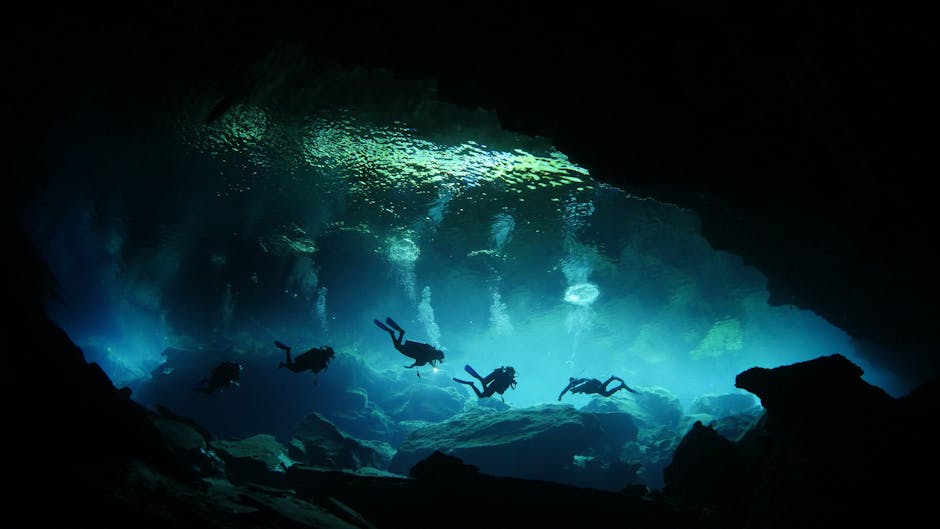
Beneath the surface, our digital world hangs by a thread.
Let me tell you about the strangest patrol happening right now off the Scottish coast. Picture this, a sleek, winged machine shaped like a child's drawing of a futuristic fish slips beneath the waves. No crew, no lights, no fanfare. Just cold metal and code gliding into the gloom. The Royal Navy calls this drone Fathom, built by a German defense startup you've never heard of, and its mission is simple. Cruise silently for months, sniffing for Russian submarines suspected of mapping Britain's undersea cables and pipelines. Lately, I can't shake the image. There's something deeply unsettling about unmanned sentinels guarding the literal foundation of our online existence.
Now, I'm no military strategist, but I understand dependence. Like right now, you're likely reading this on a device connected through Wi Fi to a router linked to a fiber optic line running to a hub connected eventually, through a daisy chain of switches and servers, to one of those submarine cables Fathom protects. That's how we get our banking done, binge TV shows, order groceries, and pretend to pay attention during video calls. Those cables handle billions daily. Yet we treat them like gravity, expected, unconsidered. Only when someone suggests they could be severed do we realize how profoundly naked we are.
Britain's new strategy christened Atlantic Bastion sounds suitably grand, doesn't it? A buzzing network of drone subs, robotic speedboats, and pilotless helicopters searching the black depths for things that shouldn't be there. Officials speak darkly of Russian Yantar ships shining lasers at RAF patrols, of Moscow's aggressive resurgent interest in infrastructure they have no reason to explore. The jargon flows freely, Russian underwater dominance, subsurface hybrid warfare, catastrophic systemic risk. Hearing military brass discuss cables with more anxiety than aircraft carriers is jarring, like watching firefighters debate how to protect a single garden hose while the neighborhood burns.
What strikes me, though, isn't the technology, impressive as these drone gliders may be, but the quiet hypocrisy we all share in this situation. We demand flawless, instantaneous digital connectivity while remaining blithely unaware of the physical reality making it possible. Those fiber optic lines? Many are decades old, often no thicker than a garden hose, laid along the easiest routes with little redundancy. Their locations, while not exactly public knowledge, aren't state secrets either. Commercial entities own most of them, with governments traditionally treating this infrastructure like shared roads rather than critical defensive assets. Now we wake up.
Here's an original thought we're missing. This isn't purely about Russia probing defenses or some Cold War echo. It reveals a fundamental mismatch between how our world actually functions and how we allocate protection. Consider three angles most discussions ignore.
First, consumer vulnerability. Imagine waking up to find your internet dead, not just your home connection, but entire regions offline. ATMs silent, stock exchanges halted, supply chain tracking systems blind. This isn't cyberwar, where hackers delete files or leak passwords. This is physical destruction, far harder to prevent or trace. Those cables can only be repaired by specialized ships few nations possess, taking days or weeks under ideal conditions. Our disaster plans talk about backup generators and cloud storage, not robotic submarine patrollers or international agreements mandating cable no go zones. The public is dangerously unprepared for how central these nodes are for everything from booking doctor appointments to retrieving family photos.
Second, follow the money in defense tech. Helsing, the German company behind Fathom, recently secured billions in venture capital. Silicon Valley logic, fail fast, scale faster, now dictates underwater warfare defense. While this accelerates innovation, merging military needs with startup culture raises ethical questions. These autonomous systems aren't just surveillance tools. They're data harvesting operations, AI platforms gathering acoustic signatures and behavioral patterns used to train next generation weaponized drones. Venture capital funded warfare sounds dystopian until you realize how much cheaper it is maintaining an army of drone subs versus crewed warships. Russia's challenge isn't driving this trend though, merely speeding up its adoption. The business of defending important infrastructure is becoming privatized, unaccountable, driven by shareholder returns rather than public safety.
Third, regulatory paralysis meets realpolitik. John Healey, the UK Defense Secretary, spoke of Russia's increased activity near UK cables while shaking hands with Norway's defense minister, pledging closer cooperation. But international law governing undersea activities is a minefield. Deliberately damaging a cable beyond territorial waters is merely vandalism under current statutes, treated no differently than slashing a communication line in international airspace. There's no framework for responses to suspected cable tampering, no consensus on proportional retaliation, nor agreed consequences for aggressive mapping missions like those Russia conducts annually. Our laws trail twenty years behind the threats, hamstrung by a world reluctant to acknowledge that data flow is now more vital than shipping lanes.
History offers instructive parallels. Before World War I, Britain dominated undersea telegraph cables, controlling global communication much as they dominate today's fiber networks. Sabotage was expected, defenses built. Yet when war came, cables were among the first targets. In a room in London, admirals watched helplessly as severed links blinked off the global map. We forgot. After the Cold War, we mothballed anti submarine fleets, assuming underwater threats belonged to 20th century warfare. Now, descendants of Soviet naval commanders use capitalist companies willing to install their pipelines alongside our cables, blending commerce with espionage. Our robots search for theirs in a quiet race we can't see, funded by defense budgets most taxpayers assume buy traditional warships.
Where does this leave regular people? I know you're not thinking about submarine drones or Russian mapping missions right now. You're checking emails, streaming shows, paying bills. Precisely the problem. Our collective helplessness stems from this infrastructure existing both everywhere and nowhere, too vast to visualize, too distributed to defend. This opacity breeds complacency. Politicians tout Atlantic Bastion as reassurance, proof we're tackling the threat. But Fathom gliders patrol barely a fraction of the immense cable networks knitting our world together. Their presence signals unease, not mastery.
What must happen next? Civic awareness matters. Push companies and governments to disclose cable redundancies, provide contingency plans, fund backup infrastructure. Consumer pressure forced tech firms to adopt renewable energy. Why not demand transparency about the literal wires our digital lives hang on? Second, invest smarter. Laser focused spending on robot sentries feels satisfying but obscures the need for international negotiation. Russian resurgence must be met with diplomatic coalitions establishing clear rules for undersea conduct, not just more drones. Third, media narratives must shift. Stories positioning this as a high seas spy thriller miss the real stakes. It's about protecting grocery deliveries and pension payments, not just military secrets.
Sitting here typing, I realize my words will travel through those same vulnerable cables. My unease mirrors yours, perhaps felt precisely because this threat doesn't announce itself with explosions but with silent gliders slipping beneath the waves. Tonight, somewhere in the Atlantic, a Russian sub and a British drone might pass unseen in the dark, one mapping the other hunting, while families sleep unaware that breakfast tomorrow, their jobs, their entire sense of normalcy relies entirely on keeping those cables intact. Fathom isn't just patrolling for enemies. It's guarding the ghostly outline of our digital selves, thinner and more exposed than we ever imagined.
 By Emily Saunders