Singapore's festive weather woes expose the muddy truth behind holiday capitalism.
Let me paint you a picture that would make Santa clutch his pearls: torrential rains drowning inflatable snowmen, cheap tinsel disintegrating into sad metallic confetti, and harried parents attempting TikTok dances in puddles to distract their crying toddlers. Welcome to tropical Christmas celebrations, where the only thing lacking more than chill is actual chill.
The latest casualty of December deluges comes from Singapore's Marina Bay, where organizers of the World Christmas Market abruptly yanked their $8 entry fee this week. On paper, this sounds like festive generosity. In reality, it feels like watching someone offer you a free umbrella after they've already pushed you into a swimming pool. I say this as someone who once attended a "Winter Wonderland" festival in Miami where the synthetic ice rink melted into a Slip 'n Slide of doom. Tropical holiday events walk a tightrope between magical and apocalyptic madness.
Now don't get me wrong, I admire the hustle. Trying to maintain European Christmas market chic in 80% humidity deserves some sort of UNESCO Cultural Heritage badge. Those miniature Alpine chalets selling gluhwein next to humidity frizzed carolers? That's commitment. But here's where things grow fuzzier than Santa's chin hair. People who already bought tickets? They receive vouchers, not cash refunds. How considerate. How capitalist. How infuriating when you realize those vouchers only work within the soggy wonderland itself.
Here lies my personal bone of contention. These voucher refunds aren't goodwill gestures, they're velvet rope financial tactics. My cousin fell for this exact scheme at a Bangkok Christmas popup last year. She spent her "refund" on overpriced candy canes just to avoid wasting the credit, then developed a mint induced stomachache during Silent Night. When did we decide it's acceptable to ransom holiday cheer?
Tropical holiday flops aren't inherently catastrophic. Some of humanity's greatest cultural mashups occur when traditions bump against impractical climates. I cherish memories of sweating through "Santa's Haunted Sleigh Ride" in Mexico City, where the fog machines couldn't compete with 90 degree heat. There's charm in watching snow machine technicians fistfight with humidifiers. What lacks charm is when organizers treat patrons like ATMs with elf hats.
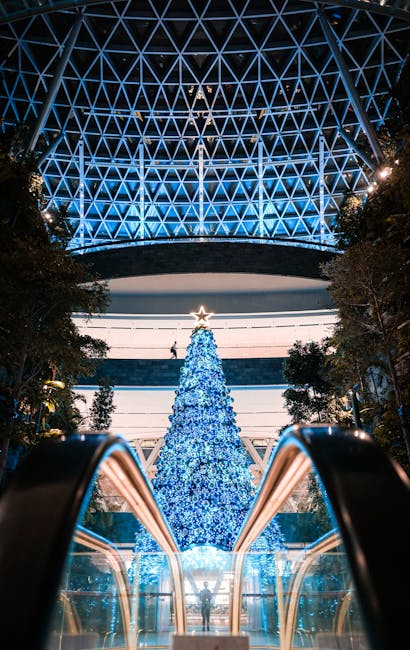
Marina Bay's signature musical, "The Brightest Christmas Star," suddenly sounds less like entertainment and more like corporate poetry. Of course you need the brightest star to outshine those gray rainclouds. And those 1,500 mirrorballs dangling from the central tree? That's not festive decor, that's a metaphor for the fragmented guest experience. Each shimmering disc represents someone checking weather apps instead of enjoying the moment.
Let's acknowledge the economic balancing act here. Event organizers pivot desperately when weather sabotages attendance. Charging admission makes sense when you've got 150 F&B stalls and performers relying on foot traffic. I once witnessed Christmas carnival operators in Brisbane weep over unused vendor sausages during a cyclone. But there's a difference between survival tactics and gouging. A 100% cash refund would hurt margins. Vouchers keep money within the ecosystem. But should an event billing itself as community celebration prioritize its bottom line this nakedly?
Contrast this with how Japanese festivals handle adversity. When Kyoto's famed Arashiyama illumination got drenched last year, staff distributed origami umbrellas and rerouted paths to shelter without charging extra for "the premium rainforest experience". Kyoto understood something Marina Bay forgot: weather disasters become cherished memories when handled with grace. What will Singapore families remember? Queues at the refund counter exchanging tickets for vouchers redeemable on damp churros.
My most joyful holiday memory involves getting stranded inside a New Orleans Christmas market during biblical rainfall. The jazz band started improvising rain themed carols, beignet sellers handed out free samples, and strangers shared soaked blankets like a festive survivor camp. Zero coordination, maximum magic. That spontaneity beats any 8 meter manufactured tree. Charm can't be ticketed.
Singapore's pivot does spotlight shifting entertainment priorities post pandemic. Event insurance can't cover vibes. Planners now must choose between inflatable Christmas decoration Mister Clauses and actual clause heavy contracts protecting against lost revenues. The irony? This market featured pet friendly zones but forgot family friendly policies. Pets won't complain about refund vouchers. Neither will corporations writing off team building excursions. The parents dragging screaming kids through puddles? They notice.
Ultimately, Marina Bay's drizzle drama teaches us that modern holiday entertainment walks a tricky tightrope. Booking Daniel Sid and The Jukuleles costs money. Kinetic light sculptures don't grow on palm trees. But when organizers treat community celebrations like SaaS subscription models, they drain the cider from Christmas spirit. If your grand festive gesture requires asterisks about non transferrable credits, perhaps stick to selling advent calendars.
 By Rachel Goh