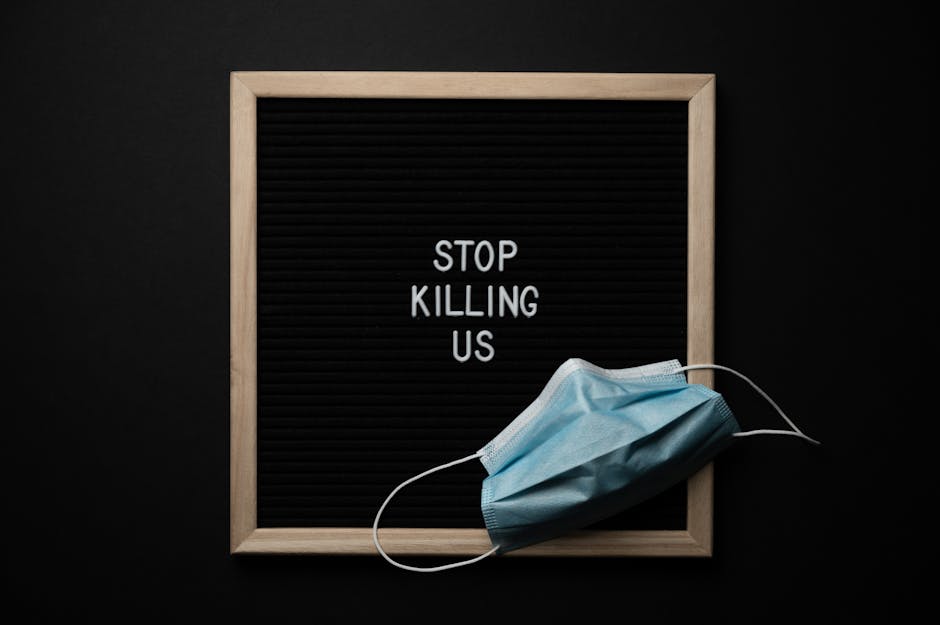
A healthcare lifer's parting shot exposes the fractures beneath the NHS's starry eyed reputation.
Imagine your favorite local library. The one with the kindhearted librarian who knows your name, the squeaky floorboards by the mystery section, the after school club where kids sprawl doing homework amid the comforting smell of old paper. Now imagine it's under threat of closure. The council says budget cuts mean reduced hours, fewer books, longer waits for story time. Outside, a slick new private reading lounge offers immediate appointments, plush chairs, and barista coffee, if you can afford the membership. How long before even the library's staunchest defenders start sneaking over for a faster bestseller fix.
This, roughly, is the metaphorical crossroads where our beloved National Health Service currently parks its battered ambulance. The warning comes not from a politician angling for soundbites, but from Nick Hulme, an NHS lifer who started as an 18 year old porter and rose to lead a major hospital trust. After 46 years watching governments of all stripes tinker, trim, and occasionally trample this behemoth institution, his exit interview rings with the weary wisdom of someone who's seen winter NHS crises come and go like dubious fashion trends. His message is stark. Improve it fast, or watch desperate patients fall prey to the velvet gloved grasp of private healthcare charlatans.
On paper, the NHS remains Britain's secular religion, that rare thing we collectively agree is A Good Idea despite its flaws. But paper doesn't treat pneumonia. Paper doesn't perform hip replacements. Paper doesn't sit weeping in A&E at 3am with a feverish toddler. The lived experience of healthcare, as Hulme knows better than most, is where ideology meets the immovable object of human need.
One particularly biting observation from Hulme centers on consultants allegedly keeping NHS waiting lists long to drive business to their private practices. Let me just absorb that again. Medical professionals potentially profiting from prolonging public suffering. If proven systematic, this isn't just a conflict of interest, it's a betrayal of the Hippocratic oath wearing a Savile Row suit. It transforms the waiting list from bureaucratic failure to something darker, a breadcrumb trail leading from desperation to profit.
Then there's the postcode lottery nobody voted for. Hulme mentions affluent Aldeburgh with its idyllic cottage hospital, sensory garden, and X ray machine bought by well heeled volunteers. Lovely. Down the road? Jaywick and Clacton, where families skip cervical screenings because getting there involves three buses and small children in tow. Health outcomes shouldn't hinge on whether your community can crowdfund medical equipment or your stamina for public transport with a toddler mid meltdown.
The numbers paint their own grim picture. Seventy percent of hospital beds occupied by over 65s, seventy five percent battling illnesses linked to poverty smoking, obesity, diabetes. We're spending fortunes treating preventable diseases while prevention programs wither. Hulme describes it as mopping the floor while the tap gushes. Do we blame individuals for lifestyle choices when fresh vegetables cost more than frozen pizza and green spaces for exercise are a luxury in concrete sprawls. It's like berating someone for reading in dim light while refusing to change the bulb.
Political solutions often resemble someone trying to fix a grand piano with a hammer. More money gets thrown in but waiting lists stay stubborn. Staff shortages bite despite recruitment drives. Why. Because we keep treating the NHS as a standalone entity rather than part of society's fabric. Health begins long before the hospital door. It starts with well stocked food banks, warm homes, clean air, living wages. Treating medicine as separate from these factors is like admiring a swan while ignoring its paddling feet. Hulme knows this, rattling off connections between poverty and A&E admissions like a man who's seen the same avoidable tragedies play out for decades.
What about the professionals. Hulme mourns the pandemic's brief demolition of medical silos, when everyone rolled up sleeves regardless of title. He thought it heralded permanent change. Instead, back came the old demarcations, the resistance to physician associates used widely abroad, the turf wars over who gets to do what. When saving lives becomes secondary to protecting professional territory, something vital curdles. I'm reminded of chefs arguing over soufflé techniques while the kitchen burns.
Amid the gloom, Hulme sparks to life discussing Wes Streeting's plan for 250 neighborhood health centers. Like a grandparent spotting green shoots after winter. Because here, perhaps, lies hope. Hyper local hubs combining GP services, physios, mental health support, social care advice under one roof. Not more mega hospitals, but community anchors reducing the need for hospital treks in the first place. The three bus problem for that Clacton smear test solved. Early interventions catching diabetes before it demands amputations. That cafe owner opposite the health center becoming friends with the asthma nurse. It's the medical equivalent of switching from firefighting to installing smoke alarms.
Critics will howl about cost and disruption. They always do. But what price do we put on a health service that doesn't just treat illness, but cultivates wellness. Hulme suggests prioritizing the Clacton postman's knee repair so he can work over getting a retiree back golfing. Controversial. Necessary. Because health inequality isn't just immoral, it's expensive. Every sick day, every welfare payment, every life cut short by treatable conditions drains the economy alongside human potential.
Challenges remain Everest sized. The BMA must decide if it's a union protecting members or a partner forging better care. Politicians need spine to admit that fixing the NHS requires fixing society, and that takes longer than election cycles. Consultants enjoying private windfalls from NHS delays should face scrutiny sharper than a scalpel. Patients must balance rightful demands with understanding that pill popping quick fixes often mask deeper societal sickness.
Hulme's warning about charlatans resonates because we've seen the playbook before. Education underfunded, private tutoring booms. Public transport slashed, Uber thrives. When essential services crack, predators sniff opportunity. Already, private firms offer cut price scans for worried well patients, cherry picking profitable services while complex cases stay with the NHS. It's not innovation, it's slow motion dismantling.
Here's where I land after gulping Hulme's bitter coffee. The NHS's founding beauty was its simplicity. Unwell. Get treated. No billing department hounding chemo patients. No insurance forms distracting surgeons. That vision survives, but its foundations crumble under managed decline. Reviving it demands courage to admit that healthcare is tangled with everything from bus routes to biscuit prices. With less target chasing and more listening to lifers like Hulme who've seen fixes come and go like dubious fashion trends. It means embracing local healthcare with the fervor we once reserved for building hospitals, understanding that sometimes the most revolutionary act is a district nurse sipping tea in a cluttered kitchen, spotting a crisis before it becomes an A&E statistic.
As winter looms, bringing fresh headlines about ambulance queues and bed shortages, we'd do well to hear Hulme's warning not as a eulogy, but as a rallying cry. The NHS isn't dead, but it's running a fever. Time to stop arguing about the thermometer and start treating the patient.
 By Barbara Thompson