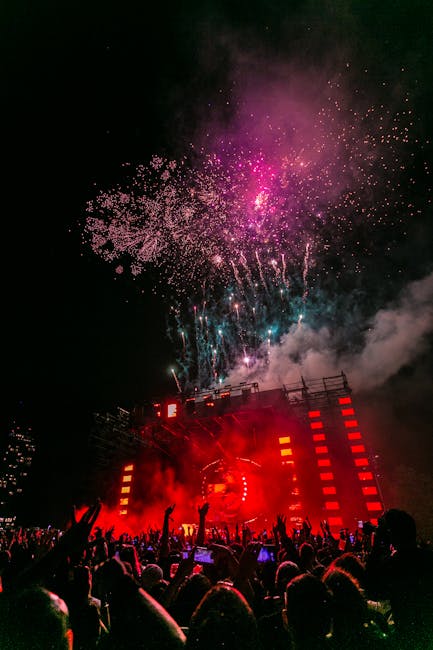
Behind every spoiled secret lies a stolen moment of collective wonder.
There exists a particular alchemy to big video game reveals that no other entertainment medium can replicate. The darkened stage at events like The Game Awards, the swelling orchestral score, that glorious three second pause before a familiar logo materializes on screen... these moments create cultural touchstones that gamers remember for decades. Yet this ritual of shared discovery is being systematically dismantled by an insidious force, one the industry seems powerless to stop.
Consider the current landscape. Mere days before this year's Game Awards ceremony, leaks have already exposed nearly every anticipated announcement, from surprise sequels to franchise revivals. What should be a celebration of gaming's future has become an exercise in damage control. The collective gasp of excitement that once echoed through convention halls now dissipates into resigned shrugs across social media. This isn't mere disappointment, it's the slow erosion of gaming's communal magic.
The emotional toll extends beyond spoiled surprises. When reliable leakers revealed Capcom's Resident Evil projects weeks early, an entire creative campaign designed to evoke shivery anticipation became a checklist of confirmed rumors. Developers who spent months crafting elaborate reveal trailers watched their work reduced to bullet points in Twitter threads. For fans, the creeping normalization of leaks has created a defensive posture even during official presentations, waiting for confirmation of what they already suspect rather than surrendering to wonder.
Historical context reveals how profoundly expectations have shifted. Twenty years ago, when a teenage employee at a Kentucky Kinko's leaked Grand Theft Auto San Andreas details to GameSpot, it created industry shaking shockwaves. Today, such an event would barely warrant a Reddit thread. The inverse relationship between information accessibility and emotional payoff has never been more pronounced. We now live in an era where dataminers extract game assets before patches go live, where retail listings outpace official announcements, and where anonymous sources routinely break embargoes for clout.
This environment creates impossible dilemmas for studios. Marketing teams must now weigh whether to announce projects earlier to control narratives, risking prolonged development cycles under public scrutiny, or hold firm and watch carefully plotted reveal roadmaps disintegrate. The collateral damage extends to creative risks. When every leaked design document invites snap judgment based on incomplete information, it incentivizes playing safe with established franchises rather than greenlighting experimental projects that need surprise to succeed.
Several recent examples highlight the vicious cycle. Ubisoft's 2020 pivot from formal announcements to stealth dropping gameplay demos directly responded to years of Assassin's Creed leaks undermining their E3 presentations. Sony's legendary 2006 E3 conference, featuring that infamous giant enemy crab meme from the Killzone 2 demonstration, only achieved legendary status because nothing had been spoiled beforehand. Even CD Projekt Red credited controlled reveals for The Witcher 3's hype, contrasting sharply with Cyberpunk 2077's leak plagued development that bred unrealistic expectations.
The human impact deserves particular attention. Gaming enthusiasts often dismiss leaks as harmless fun, but their cumulative effect rewires how we engage with the hobby. Consider the ritualistic joy of watching a Nintendo Direct with friends, everyone flinching in unison when a Smash Bros character silhouette materializes. Compare that to today's fragmented experiences, where half the audience already knows which remastered trilogy will be announced thanks to a Korean ratings board filing. The shared moments that transform gaming from individual pastime to cultural event get quietly pulled apart thread by thread.
There exists an uncomfortable hypocrisy at play, too. Publishers cultivate hype machines around secret projects while simultaneously subscribing to launch day metrics that demand perpetual teasers and pre order incentives. Content creators chase leaks for views while decrying their existence when their own projects get exposed. Even enthusiast press faces ethical quandaries, torn between serving readers' appetite for scoops and preserving the industry ceremonies that generate their most read coverage.
Solutions remain frustratingly elusive. Some suggest embracing Nintendo's approach of announcing games only when release dates are imminent, but few publishers have that luxury in an era of investor relations and quarterly earnings calls. Others propose legal crackdowns, yet litigation moves glacially compared to internet rumor mills. Perhaps the answer lies in structural shifts, redefining how games market themselves not through secrecy but through participatory transparency.
The stakes feel particularly high now because gaming occupies cultural space once reserved for blockbuster films or major sporting events. The Game Awards now draws viewership rivaling the Oscars, with trailers premiering alongside recognition of creative achievements. When leaks deflate these tentpole moments, they don't just spoil games, they undermine gaming's growing legitimacy as a storytelling medium worthy of ceremony. Each premature reveal whispers that this industry remains perpetual adolescence, incapable of protecting its own creative processes.
Maybe we need to rediscover the beauty of patience. Whispers of a Bloodborne remaster or Half Life 3 resurgence will always inflame imaginations, but consider this, the original Bioshock's iconic opening would lose none of its power had you glimpsed a leaked screenshot of the lighthouse. Trivial moments get spoiled, great artistry endures. By fixating less on dredging up secrets and more on cultivating appreciation for craft, perhaps we can reclaim some magic. The alternative is bleak, industry showcases where applause sounds not for unexpected joy, but for confirmation of what everyone already knew.
For an industry built on wonder, that would be the ultimate game over.
 By James Peterson