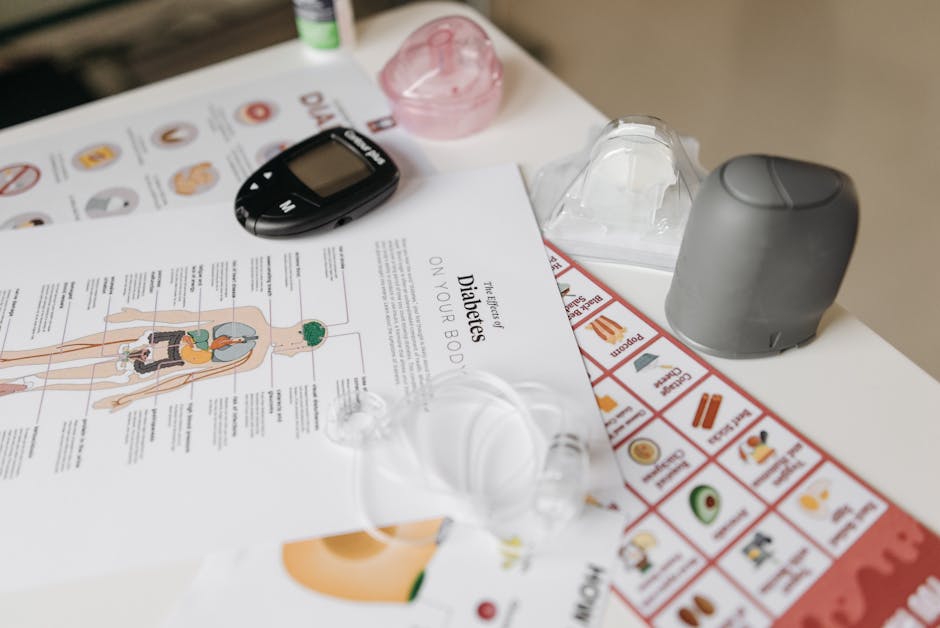
Your diabetes medication might be plotting something sinister between glucose battles
Let me paint you a picture. It's Tuesday afternoon. You're enjoying a sensible snack of carrot sticks and existential dread when suddenly your medicine cabinet starts playing the Jaws theme. No, you didn't accidentally swallow a Bluetooth speaker. It's just the haunting realization that your trusty metformin tablets might occasionally moonlight as biochemical saboteurs.
The NHS recently issued one of those cheerful public service announcements that reads like a rejected Saw sequel script. Millions of Brits pop metformin like breath mints to manage their diabetes, blissfully unaware that this medical marvel occasionally moonlights as a chaos agent. We're talking about a drug so widely prescribed that if it were a pop band, it'd be playing Wembley while nurses throw glucose monitors instead of underwear.
Now, regular side effects read like a bad Yelp review for a dodgy kebab shop. Nausea, diarrhea, stomach aches basically the full digestive rebellion package. But the real party starts with the rare horror show symptoms. Imagine your body suddenly deciding to cosplay a decaying pumpkin. Yellow eyes, cold sweats, heartbeat slower than a sloth practicing tai chi. At this point, you're not having a side effect, you're auditioning for The Walking Dead without even leaving your sofa.
Then there's the allergic reaction protocol, which sounds like military code for witnessing an alien invasion. Your throat tries out for the role of a collapsed tunnel. Your skin adopts a fashionable blue gray palette straight from a Tim Burton mood board. And the NHS advice? Don't call your mum, call 999 before your epiglottis stages a permanent work stoppage. Cheerful stuff.
Here’s what burns my toast. These terrifying possibilities aren't exactly printed in 72 point Comic Sans on the pill bottle. They're buried in documentation denser than tax code, translated from Latin, stuffed inside twelve nested websites guarded by CAPTCHAs asking you to identify every bus that ever passed your childhood home. It's almost as if someone decided patient warnings should require the decrypting skills of Alan Turing after triple espresso.
The pharmaceutical industry has perfected the art of risk disclosure as performance art. Yes, technically the information exists. But finding it requires more persistence than a telemarketer during election season. Meanwhile, medication ads feature happy people inexplicably frolicking through meadows while the voiceover casually mentions explosive liver failure between picnic blanket shots.
Let’s talk about the vitamin B12 heist. Nobody mentioned metformin might be secretly robbing you blind of crucial nutrients like some nutrient ninja. Decades of treatment could leave you deficient without ever knowing why your energy levels resemble a deflated bouncy castle. This isn't medicine, it's sleight of hand performed by someone in a lab coat.
What truly fries my pancreas is the sheer scale of this gamble. Twenty six million prescriptions just in England last year. That’s enough metformin tablets circle the Earth eleven times, which they probably would if they weren’t busy occasionally turning digestive systems into abstract art installations. We’ve created a medical culture where lifesaving drugs casually hide potential life threatening surprises like a Kinder Egg designed by H.P. Lovecraft.
The human impact here feels like being handed a lifeline wired to a random explosive. Picture Linda from Cardiff, diligently managing her diabetes, suddenly worrying whether today’s headache is just dehydration or the opening act for hepatic implosion. Or Rajesh in Manchester, reading side effects and wondering if that suspicious yawn means his heart rate is preparing for hibernation mode.
Healthcare workers deserve hazard pay just for navigating these conversations. Imagine explaining to sweet old Doris that her trusted pills could theoretically induce system failure that would make a crashed Windows 98 look stable. It's like telling kids Santa exists but might occasionally burn down the North Pole.
Here’s my radical proposal. Warning labels should be written by the same people who craft those hysterical novelty gift disclaimers. We need blister packs that read Caution: May cause dancing AND spontaneous organ failure. User manuals drawn as graphic novels where superhero pharmacists battle Vitamin Bandit Metformin. At least then patients might actually know what they signed up for.
The bitter pill here isn’t the metformin. It’s the realization that our medical safety net resembles cheesecloth designed by someone with a grudge. Systems that flood us with prescriptions yet barely whisper the risks. Policies more concerned with liability than lucidity. And patients left Googling symptoms at three A.M. wondering if death by diabetes management counts as irony or tragedy.
Make no mistake, metformin remains a miracle worker for millions. It tames unruly blood sugar like a lion tamer with excellent reflexes. But miracles shouldn’t come with Russian roulette clauses written in vanishing ink. Until we demand transparent communication dressed in something other than legalese camo, every pill swallowed carries a whisper of What if. And that's a side effect no prescription can cure.
 By George Thompson