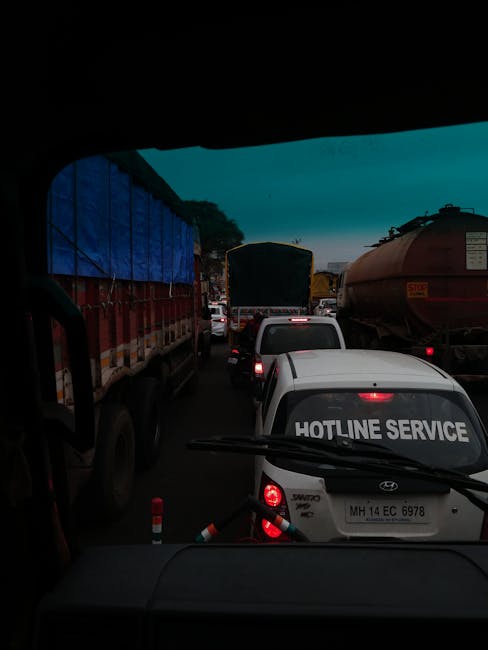
Your self driving car will handle congestion beautifully, once it arrives in three corporate fiscal quarters
Nothing prepares you for the special hell of the M25 on a Tuesday morning. Not the coffee stains on your passenger seat, not the blissful ignorance of satellite navigation chirping "moderate delays ahead" while you're contemplating biting your steering wheel like a stress peanut. This week's nine mile parking lot caused by a simple fender bender on Britain's busiest motorway wasn't just inconvenient, it was a perfect metaphor for technology's endless transportation promises gone sideways.
We were supposed to have this figured out by now. Remember those glossy corporate videos from the 2010s showing AI seamlessly rerouting traffic around accidents like some digital Moses parting asphalt seas? The infrastructure white papers confidently predicting blockchain coordinated autonomous vehicle swarms that'd make rush hour congestion as extinct as highwaymen? Instead we got CCTV cameras broadcasting our despair in 4K while local councils tweet vaguely apocalyptic delay estimates punctuated with sad face emojis.
The bitter joke here isn't just that our transportation systems remain stubbornly analog. It's that the same companies creating traffic monitoring tech are actively lobbying against actual solutions. Did you know major navigation app developers have quietly filed patents for algorithmic boredom busters detecting user frustration levels during gridlock? Instead of reducing congestion they're preparing to monetize your road rage by selling attention metrics to podcast platforms. Because nothing says progress like Amazon Alexa whispering "Would you like guided meditation while waiting four hours to pass Junction 28?"
Meanwhile actual humans continue suffering very physical consequences. Nurses missing hospital shifts because smart traffic systems failed to prioritize emergency service routes. Small business deliveries decomposing in gridlocked vans while logistics companies invest in metaverse warehouses rather than actual roads. Kids vomiting in stationary school buses as commuters fight over breakdown lane etiquette. This isn't some abstract infrastructure debate, it's people literally being held hostage by potholed progress.
Regulators aren't helping either. The EU just passed sweeping smart highway legislation requiring all member states to install vehicle communication arrays by 2030, while Britain's own AI traffic strategy remains stranded somewhere between consultation papers and Parliamentary bickering. Some days it feels like we're building the transportation equivalent of that disastrous NHS contact tracing app, just with nicer roadside pylons and marginally fewer data leaks until someone encrypts a highway gantry.
But let's zoom out beyond government incompetence. The transportation industry itself suffers from painful cognitive dissonance. Automakers dream of subscription based heated seats while cities beg for basic weatherproof bus shelters. Drone delivery startups chase champagne shipments for tech billionaires as supermarket trucks crawl through antiquated ring roads. We're witnessing the digital divide literally pave itself into our infrastructure, with congestion becoming yet another luxury tax on lower income workers who can't afford dynamic toll lanes or helicopter commutes.
Perhaps most insulting is how transportation tech ignores basic human psychology. Every highway engineer knows the rubbernecking phenomenon, yet incredibly nobody has invented a highway screen that doesn't make distracted drivers worse. GPS shortcuts enthusiastically funnel thousands down residential rat runs algorithms swear are efficient, ignoring how actual humans react when their quiet street becomes an involuntary highway off ramp. And absolutely nobody can explain why cartographers still haven't made navigation apps that understand parental sanity levels after 45 minutes of "Are We There Yet?" repetition.
Looking ahead, the next generation of transportation promises looks suspiciously familiar. Web3 enthusiasts want to tokenize your daily commute, ignoring how NFT traffic jams sound exactly as fun as physical ones. Metaverse pitches suggest teleporting meetings will render highways obsolete, forgetting that virtual reality headsets and vehicle motion sickness work together about as well as salads and service station fryers. Meanwhile actual road maintenance gets rebranded as "physical infrastructure blockchain verification" while asphalt crumbles faster than crypto broker promises.
The solution might surprise everyone, stop pretending new gadgets will automatically fix old concrete. Maybe we need transportation policy that prioritizes moving humans rather than generating engagement metrics by angry drivers. Perhaps hybrid working patterns combined with smarter logistics could make roads less terrifying before we pretend flying cars won't just create airborne traffic jams. Whatever happens next, we should measure progress in actual commute minutes recovered, not in how many dashboard touchscreens your car has while stationary in gridlock.
So next time you're stuck motionless with a Ferrari to your left and an Amazon delivery sprinter van ahead, remember this isn't just traffic. It's a physical manifestation of broken technological promises appearing nightly in highway authority PowerPoints. The real question isn't whether AI can eventually manage our roads, but whether we'll still care when our remote work applications finally buffer properly.
 By Thomas Reynolds