The real crime is watching democracy get erased one headline at a time
Let me tell you about the day I realized my spiral notebook was a revolutionary artifact.
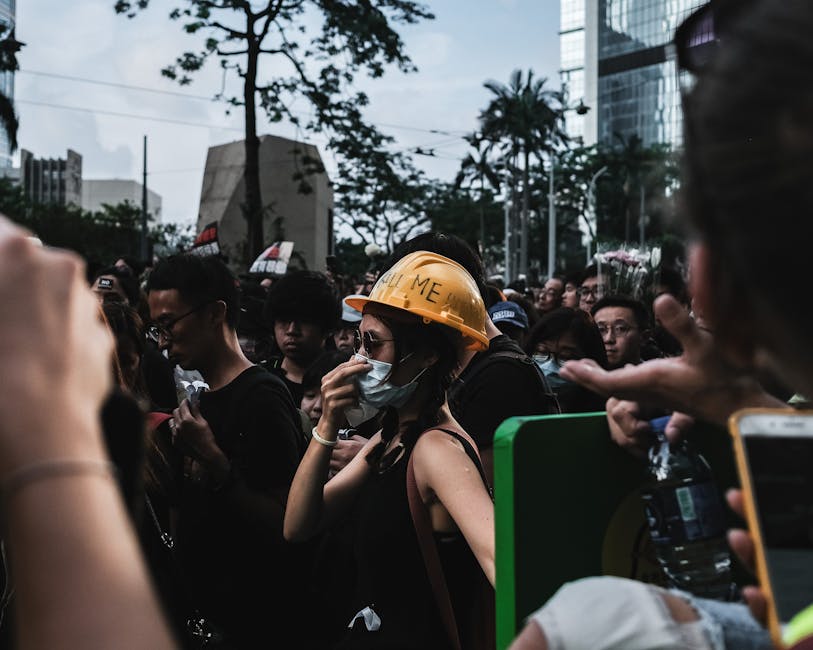
It was 2019. I was backpacking through Hong Kong fresh out of journalism school, my pockets full of idealism and my phone full of protest footage. At a cramped street stall, I watched a grandmother carefully wrap my purchase — a $2 notebook with Apple Daily's logo splashed across the cover. 'Keep writing truths,' she whispered, like we were swapping state secrets instead of school supplies. Today, that newspaper's founder Jimmy Lai faces life in prison for doing just that.
Sitting in my Brooklyn apartment now, watching Hong Kong's courts deliver Monday's verdict against Lai, that notebook feels heavier than a congressional subpoena. Because here's the tea: when governments start jailing newspaper publishers instead of refuting their articles, we're not talking about law and order. We're talking about truth suppression wearing legal robes. Lai spent five years in solitary over meetings with US politicians? Honey, I've had more controversial brunch conversations about avocado toast taxation.
Remember when freedom of the press meant something? I don't. I mean, I read about it in history books between memes, but the concept seems downright nostalgic at this point. Lai's Apple Daily shut down in 2021 after asset freezes and arrests. Now Hong Kong's press freedom ranking sits at 148th globally. Right between Turkey and DR Congo. Let that sink in. A city that handed out notebooks like candy now treats independent journalism like contraband.
The courtroom spectacle surrounding Lai's 'collusion' charges feels particularly rich coming from Beijing. China's own diplomats spent 2024 hosting COP29 delegates and schmoozing EU trade ministers. But when a Hong Kong newspaper publisher meets foreign officials suddenly we're ringing the treason alarm. The cognitive dissonance is louder than my neighbor's political podcast recordings.
Don't get it twisted. I'm not naive enough to think geopolitics resembles kindergarten snack time. Every nation protects its interests. But watching Lai grow skeletal in solitary confinement while officials claim he 'chose' that concrete box stretches credulity thinner than congressional hearing transcripts. His daughter Claire's description of prison conditions made me involuntarily hug my ergonomic office chair. Diabetes. Failing vision. Airless cells. This isn't justice. It's a slow motion execution of dissent.
Here's where my generational cynicism slams into uncomfortable truth. What's happening to Lai isn't some distant drama. It's Act One in every authoritarian playbook. First they target media. Then protesters. Then anyone with an inconvenient opinion. In 2020, I covered Minneapolis protests after George Floyd's murder. Saw National Guard helicopters circle like metal vultures. But you know what I didn't fear? Life imprisonment for interviewing foreign diplomats about it. That safety margin is disappearing globally.
Some argue Hong Kong's security laws are inevitable. 'Protecting sovereignty' and all that jazz. Fair enough. But sovereignty shouldn't require blinding citizens to reality. When security means punishing truth tellers more severely than actual criminals, we've confused safety with silence. Lai faces life for conspiracy charges. Meanwhile, mainland Chinese officials implicated in the 2023 Evergrande financial collapse that vaporized billions got suspended sentences. Priorities!
Now let's address the five ton panda in the room. US sanctions. The White House slapped Hong Kong with economic penalties post protest crackdowns. How effective were they? Hong Kong's economy still grew 3.2% last year, leading some to argue sanctions mostly inconvenience ordinary citizens. But to dismiss them entirely ignores sanctions' role as moral ledger keeping, like when you Venmo request an ex for half of dinner they never paid. Technically symbolic. Symbolically essential.
Watching Claire Lai plead for her father's freedom hit differently than standard political news. Maybe because five years ago I shared streets with people holding Apple Daily's 'Stand with Hong Kong' front pages. Now those same streets enforce Xi Jinping thought posters with more enthusiasm than Times Square ads for Broadway shows. The transformation happened faster than a TikTok dance trend. At least fidget spinners came back ironically.
What keeps me awake isn't just Lai's potential life sentence though. It's the normalization curve. Each jailed journalist. Each redacted protest sign. Each complacent shrug makes the next crackdown easier. I remember interviewing a Hong Kong student leader in 2020 who told me 'The world will protect our freedom.' Now she sells NFTs anonymously from Taipei. The burning question isn't why Lai resisted. It's why so few resist with him.
So where's the hope? Funny you ask. Because as a chronic over sharer on political Twitter (sorry followers), I've learned repression often backfires spectacularly. Think about it. By making Lai's trial this elaborate, China's proving independent journalism still terrifies them more than nuclear sanctions. That's oddly validating. If ideas weren't dangerous, why waste billboards denouncing them? When my Instagram poll about Lai got 30,000 views before mysteriously disappearing, I considered it accidental activism.
The real wake up call came last Tuesday. Ordering bubble tea, I overheard two teens debate whether K Pop stars should comment on Hong Kong. One said it's politics. The other countered 'No, it's human rights.' My faith in Gen Z surged higher than federal debt ceilings. They instinctively separate governance principles from governance propaganda. That distinction matters.
Will Lai's case change HK's trajectory? Honestly, probably not immediately. But neither did Rosa Parks' bus seat. Or Mandela's imprisonment. Moral arcs bend through cumulative pressure. Every time we amplify these stories instead of normalizing them, it chips at authoritarian confidence. Share Claire's op ed. Talk about press rankings at brunch. Remember when mocking authority didn't risk imprisonment? Pepperidge Farm remembers.
Predicting Hong Kong's future is like guessing Elon Musk's next tweet — equal parts chaos and performative drama. But Jimmy Lai's legacy isn't up to courts. It's in every teenager documenting police brutality. Every artist sneaking dissent into manga. Every grandmother selling last copies of banned papers. They're the real verdict.
So will I keep that Apple Daily notebook? Absolutely. Because revolutions need receipts. And someone's got to pass the receipts forward until we can cash them in for something resembling freedom.
 By Sophie Ellis