The chilling reality of living in a world where your browser history isn't private, it's potentially prosecutorial.
Let me ask you something uncomfortable. What did you Google this morning? Maybe 'best coffee grind size for French press,' 'how to unshrink wool sweater,' or perhaps something more personal, more embarrassing. Now imagine detectives presenting those searches in court as evidence against you. Suddenly, that perfectly normal human curiosity looks suspicious.
This isn't hypothetical anymore. The recent courtroom drama unfolding in Massachusetts gives us a terrifying preview of how our digital residue could reconstruct and potentially condemn us. When Brian Walshe faced murder charges for his wife Ana's death, prosecutors didn't just present physical evidence. They introduced his Google history like a macabre diary body disposal methods, blood cleanup techniques, even research on a notorious serial killer all time stamped around his wife's disappearance.
Walshe's defense claims panic fueled these searches after supposedly finding his wife deceased. Prosecutors paint them as premeditation's digital footprint. But beyond guilt or innocence lies a technological watershed moment our devices have become the most relentless witnesses against us.
We leave digital fingerprints everywhere search bars, messaging apps, ride sharing services. Each thumb swipe generates forensic evidence. What unsettles me isn't that courts access this data when properly subpoenaed, but how profoundly our understanding of privacy hasn't caught up with this reality. Millions still treat search bars like confidantes, never considering that 'how long before a body smells' queried during true crime obsession might later haunt them during criminal investigation.
The business implications are staggering. Google and Apple now find themselves involuntary evidence brokers for global law enforcement. Internal data suggests US authorities requested user information over 192,000 times in 2023 alone. That's 525 daily subpoenas or warrants flooding tech companies and we're not discussing the ethical weight this places on corporate compliance teams essentially serving as gatekeepers to justice.
Consider the chasm between tech companies and courts. Silicon Valley designs products prioritizing seamless experiences and data monetization. Meanwhile, legal systems demand information retrieval methods preserving chains of custody and audit trails. Never have two industries with such opposing philosophies been forced into such intimate collaboration.
Remember when smartphones first appeared in courtrooms? Defense attorneys questioned location data accuracy. Today, we accept geofencing warrants covering hundreds of devices without individual suspicion. Next frontier? Prosecutors might request entire Google accounts trying to reconstruct psychological states through search histories and YouTube watches.
The human impact feels most visceral when analyzing how ordinary families experience justice now. Ana Walshe's children won't grow up wondering what happened to their mother they'll confront timestamps detailing how their father allegedly researched destroying her remains. These cases recalibrate our understanding of evidence no longer just bloody knives and eyewitnesses, but auto synced browser tabs.
Consumers mistakenly assume incognito mode protects them, when really, Google still knows your searches, internet providers see your traffic, devices log keyboard inputs. The illusion of privacy becomes dangerous when people act recklessly believing they've covered digital tracks, only to discover everything cached somewhere. Legal systems increasingly function like digital archaeologists, reconstructing behaviors from metadata layers.
Regulatory paralysis worsens everything. Congress hasn't meaningfully updated electronic privacy laws since 1986 when 'the cloud' meant rain formations and 'Apple vs FBI' involved fruit litigation. Meanwhile, courts improvise standards as technology races ahead. This patchwork approach creates bizarre contradictions police might need warrants for email content but not location pings under certain antiquated interpretations.
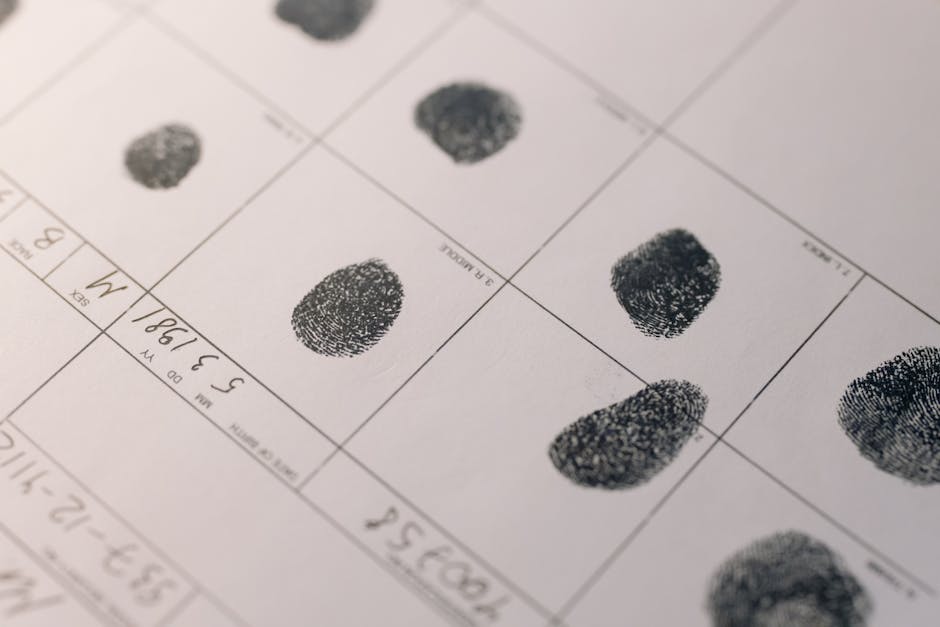
History offers perspective. Centuries ago, convictions rested on eyewitness testimony despite its notorious unreliability. Then came fingerprinting, revolutionizing forensics but facing initial skepticism. Today, we treat biometrics as infallible despite proven error rates. Now digital forensics enters its awkward adolescence jurors dazzled by technological sheen may overvalue incomplete data patterns.
The market responds erratically to these pressures. New apps promising 'disappearing data' flourish alongside terrifying deepfake capabilities. Law enforcement adopts predictive algorithms with minimal oversight. Insurance companies adjust premiums based on data brokers' lifestyle inferences. All connected through the same ecosystem where one man's Google history becomes courtroom evidence.
Looking ahead generates discomforting scenarios. Could health insurers access search histories for depression symptoms before denying coverage? Might divorce proceedings subpoena Alexa recordings? Will protestors face charges based on downloaded manifestos? We need ethical guardrails before technology manufactures dystopia through convenience creep.
Simple fixes like digital literacy education help. Understanding that every device is both servant and scribe changes online behavior. Schools teaching students that 'Google knows what you did last summer' isn't paranoia, it's IT fundamentals. We must evolve from carefree internet explorers to thoughtful digital citizens.
Tech companies bear responsibility too. Default settings shouldn't sync children's tablets with parents' search histories, potentially dragging minors into investigations. Clearer consent flows could prevent accidental data sharing. Transparent retention policies would help users understand what records could surface later.
For Ana Walshe's family, justice won't resolve tech dilemmas. But this case illuminates cultural crossroads. Like discovering microphones in every room, we must process being constantly observed by our own devices. Digital breadcrumbs once considered trivial ephemera may cement convictions or destroy reputations.
Tonight, as you absently scroll through feeds or whisper queries to smart speakers, pause. Consider that ordinary technological behaviors recording frustrations, researching odd topics, venturing down curiosity rabbit holes all generate permanent ledgers. Future juries might dissect them without context, intent, or nuance.
Your search history isn't just advertisement fodder anymore. It's potentially prosecutorial. Suddenly, that wool sweater query feels comforting, doesn't it? Just make sure nobody questions whether you needed those disposal methods for shrunken textiles or something far darker. These are the absurd stakes we navigate daily in our hyperconnected lives discovering too late that privacy wasn't lost in dramatic heists, but surrendered click by trusting click.
 By Emily Saunders