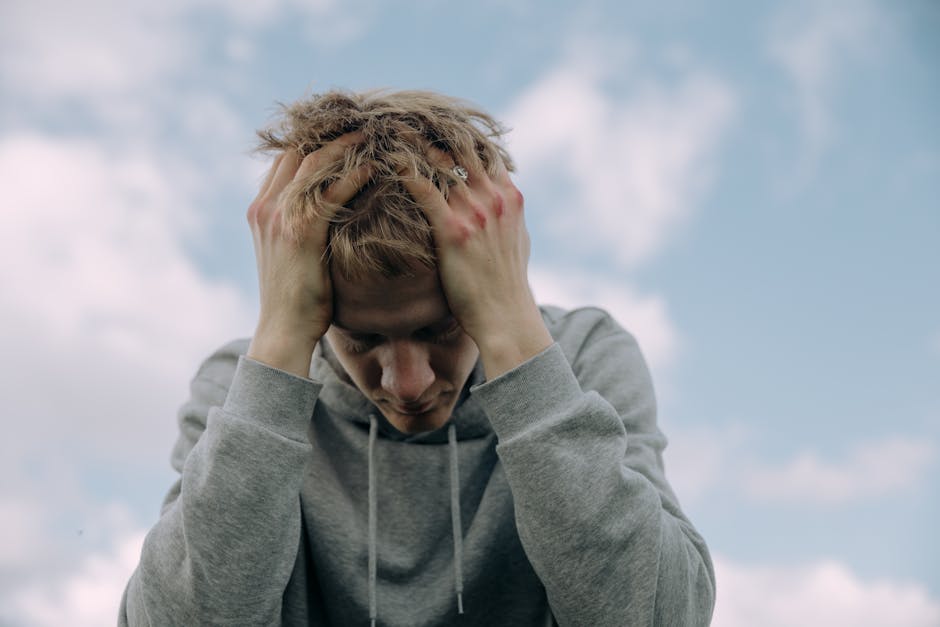
The quiet agony of an athlete whose body keeps saying no
There comes a moment in every athlete’s life when the ground shifts beneath their feet. Not during a spectacular mark or a match winning sprint, but in the too quiet aftermath of training, when a familiar twinge becomes something ominous. The Sydney Swans veteran knew this feeling too well. Another Achilles injury. Another moonboot. Another season slipping away like sand through fingers already clutching at fading chances.
For fans, injuries are statistics. For clubs, they are management challenges. But for the athlete living this reality, it’s a profoundly human crisis. The 32 year old midfielder’s recent partial Achilles tear isn’t merely another line in a medical report. It’s the latest chapter in a story whispered in physio rooms and late night ice baths, where bodies keep betraying dreams built over decades.
The cruelty lies in timing. After limited appearances in 2025 due to hamstring troubles, this preseason setback arrives just as hope flickers anew. Isn’t that always the way? Athletes describe injury comebacks as climbing a mountain, only here, the mountain crumbles beneath them whenever they near the summit. You train through pain, believe through doubt, then hear that sickening pop during routine drills. Not in front of fifty thousand roaring fans, but surrounded by teammates avoiding eye contact because they’ve seen this movie before and know how it ends.
Sports moves fast these days. We celebrate emerging stars with viral highlights and lose patience with veterans nursing aging frames. There’s hypocrisy here. We romanticize loyalty yet demand clubs discard players when efficiency dictates. We call them warriors when they play through pain, then question their commitment when their bodies finally rebel. The same fans who chant a veteran’s name during victory laps will debate their trade value before the swelling subsides.
Consider what this moment means beyond the locker room. In suburbs where kids wear his old Collingwood guernsey, in Sydney pubs where Swans faithful debate his trade merits, in family gatherings where his sister explains once more why big brother can’t play backyard kick to kick. Sporting communities are ecosystems. An injury like this sends tremors through every layer.
Young athletes watch closely too. They see glory in premierships but receive visceral education when heroes falter. What lesson resonates deeper, the victory speech or the sight of a veteran limping toward rehab with haunted eyes? Perhaps both are necessary. Sport isn’t just teaching competition. It’s instructing in vulnerability, in facing limits larger than any opponent.
We forget how isolating this journey becomes. Teammates train for round one. Coaches strategize. Meanwhile, injured players enter alternate routines of physio appointments and pool sessions. The club moves forward, buzzing with preseason energy. You become a satellite orbiting the main mission, smiling through updates about drills you should be running. The loneliness isn’t malicious. It’s organizational inevitability. Still, it eats at identities built around participation.
And what of families? They measure injuries differently. Wincing not just at pain but at unspoken fears. Retirement looms closer with each setback. Life after sport, that vast unknown, gains urgency with every scan result. Partners become overnight nurses, psychologists, financial planners. Children learn early that Dad’s mood depends on physio reports. The contract might belong to the athlete, but the injury’s toll is a shared burden.
Clubs handle this as best they can. Medical teams work miracles. Welfare officers provide support. Yet the system remains fundamentally transactional. Professional sport must be. When bodies fail repeatedly, hard conversations await about role reductions and contract realities. It’s nobody’s fault, just the collision between human frailty and high stakes competition.
Here’s where our culture reveals its contradictions. We demand peak performance but lack language for graceful decline. Athletes fight to the bitter end because anything less smells like surrender. Yet what constitutes surrender? Accepting the body’s limitations isn’t weakness. Adjusting goals from premierships to playing five consecutive games isn’t failure. Sometimes, persisting requires more courage than quitting.
The veteran’s mindset fascinates. They know the odds. Studies show athletes over 30 face higher reinjury risks and slower comebacks. They persist anyway. Is it love for the game? Fear of irrelevance? Financial necessity? Pride? Competitive addiction? Probably all these and more. When asked why they keep fighting, most offer some variation of 'because it’s who I am.' Identity erosion haunts every aging athlete. Who are you when you can’t do the one thing that’s defined you since childhood?
Perhaps we misunderstand sports time. Fans experience seasons as annual cycles. For players, careers feel like rocket trajectories. Launch, acceleration, peak operation, then the inevitable burn out. Except human beings aren’t machinery. Their arcs twist unpredictably with injuries that disrupt trajectories. The cruelest outcomes aren’t sudden catastrophic injuries but slow unravellings of capability. The glancing blow that becomes a chronic weakness. The groin niggle that becomes a recurring nightmare.
There’s beauty in resilience though. Let’s not overlook that. When veteran after veteran trudges back from surgeries too numerous to count, they’re chasing something beyond statistics. They’re asserting ownership over their narrative. Each rehab session is a declaration that they’ll decide when the story ends. Even if that decision gets made for them eventually, fighting buys them agency. Dignity.
We should honor that fight differently. Not through platitudes about bravery, but by recognizing the complex humanity involved. Aging athletes aren’t malfunctioning machines. They’re people navigating grief for versions of themselves they’ll never be again. Waking up to stiffness where fluidity once lived. Remembering movements they can no longer execute without pain. That’s as emotionally intricate as any novel or symphony.
Teams and fans might consider how they frame these journeys. Technical terms like 'load management' and 'modified programs' sanitize what’s actually happening. A person is losing their life’s work piece by piece. Fans demanding veteran sacrifices should ask if they’d handle similar losses with equivalent grace. Could we face such public diminishment without bitterness?
Meanwhile, younger players absorb unspoken lessons. They see the veteran’s treatment and understand their own future. Smart clubs recognize this cultural impact. How you handle aging stars sends signals to emerging talents about loyalty, respect, and organizational values. It affects contract negotiations and trade decisions. Players notice who gets discarded and who gets honored.
The broader sports world might ponder its relationship with aging. We fetishize potential in draftees but lack frameworks for venerable experience. Yet seasoned athletes offer unique mentorship. They read games differently. They manage locker room dynamics. They’re walking repositories of institutional memory. These contributions often get overlooked until they’re gone.
There’s also community impact. Local kids see persistence modeled. Parents reference the veteran’s work ethic during tough homework nights. Opponents feel pride defeating teams featuring respected elders. Remove these players prematurely, and something intangible evaporates from the sport’s fabric.
So where does this leave our injured veteran? Likely oscillating between determined rehabilitation and private despair. Wondering if this recovery will stick. Weighing advice from surgeons against fire in his belly. Missed start dates. Another long walk back. And through it all, the ache of loving something that keeps hurting you.
Sports culture often frames such stories as inspiring comebacks or cautionary tales. The truth lies messily in between. Maybe this veteran will recover and contribute meaningful minutes. Maybe not. Either way, his struggle isn’t wasted narrative. It’s raw evidence of why sports matter beyond entertainment. They’re theaters for human vulnerability and resilience. Laboratories for testing limits both physical and psychological.
Next time an aging athlete falters, perhaps we’ll pause. Before debating trade value or drafting replacements, before labeling them injury prone, let’s acknowledge the complex human journey unfolding. These moments aren’t footnotes. They’re the essence. The stripped down reality that sport is individual humans pushing against their own fragility. That’s the spectacle that endures long after scores fade from memory.
The ground may give way beneath their feet more often now. But watch how they brace. How they adjust. How they lean on teammates during the long limp offstage. That’s the view from which true understanding of sport is born.
 By Oliver Grant