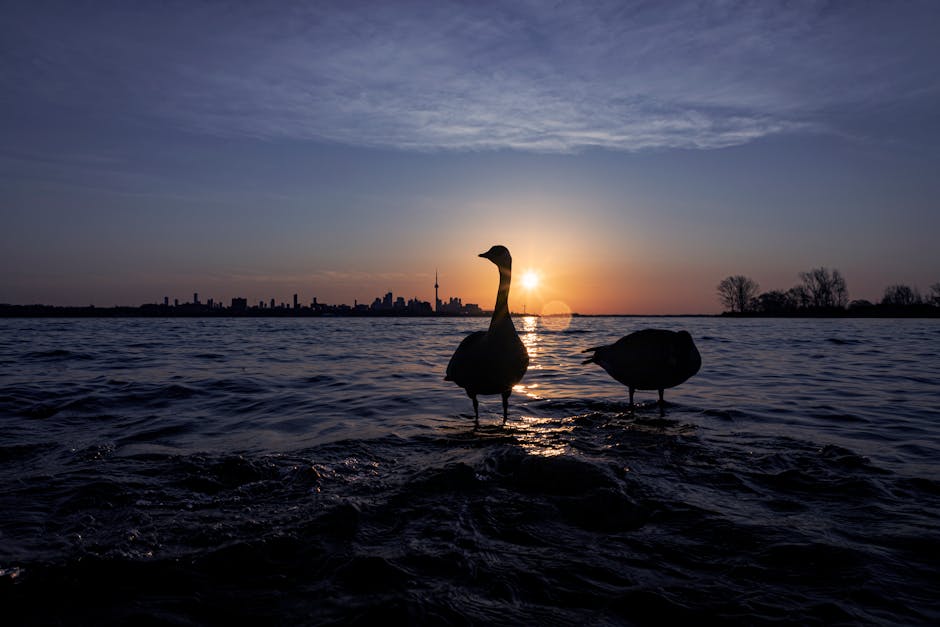
When feathers fly and glass shatters, a quiet night turns into a wild rescue mission.
Imagine settling in for a cozy evening of football, only to have your front door explode like a poorly planned magic trick gone wrong.
This was the reality for one Leicestershire woman whose living room became the surprise runway for an exhausted Canada goose with apparently terrible navigation skills.
The bird in question didn't bother with the customary 'knock knock' before making its grand entrance.
One moment, Lynne Sewell was watching Manchester City battle Brentford.
The next, her porch resembled the aftermath of an avian action movie stunt.
The feathered projectile wedged itself in the shattered glass like a fluffy cork in a very dangerous bottle.
The goose's unscheduled visit sparks bigger questions than just 'why my house' or 'who's paying for this window.
Our cities have become unintentional obstacle courses for wildlife, with tired migratory birds mistaking reflective windows for open sky and swimming pools for pristine lakes.
This particular pilot may have been flying night maneuvers without proper clearance, but its confusion highlights the growing puzzle of how animals navigate our ever expanding concrete jungles.
Wildlife rehabilitators like Amy Blower from Leicestershire Wildlife Hospital are the unsung heroes in these featherbrained capers.
They're the emergency responders who arrive with towels instead of sirens, treating everything from concussed pigeons to tipsy hedgehogs who overindulged in fermented apples.
In this case, their feathery patient required nothing more than first aid and dignity restoration before earning his wings back.
Who knew geese came with airbags?
The real comedy gold here lies in the human response.
Upon discovering their unwelcome visitor wasn't a burglar but a bewildered bird, Lynne and friend Ian did what any reasonable person would do.
They offered porridge oats.
Because nothing says 'sorry about the door' like a nicely presented bowl of breakfast grains.
Meanwhile, the goose probably wondered why its five star hotel came with such terrible room service options.
Scientifically speaking, birds like our accidental intruder face a gauntlet of urban challenges.
Light pollution scrambles their internal GPS.
Sleek buildings create confusing reflections.
Even glass walkways become invisible death traps.
Researchers are studying everything from special UV patterned glass to turning off skyscraper lights during migration season to prevent these feathered face plants.
Some cities have even appointed official 'bird collision monitors' which sounds like the coolest job title this side of 'professional kitten cuddler.
Wildlife hospitals play a crucial role as avian urgent care centers.
Their rehabilitation rates would make regular hospitals jealous.
Blower's team reports most patients like their clumsy house crasher recover quickly when given proper care.
They administer pain meds and antibiotics with the precision of tiny feathered pharmacists.
One imagines goose physical therapy involves motivational quacking and perfecting the judgmental stare before release.
All joking aside, this feathery fiasco represents a larger unfolding story about animal adaptation.
Urban wildlife isn't just surviving, it's learning to exploit our habitats like furry little hackers finding system vulnerabilities.
Coyotes use subway tunnels.
Raccoons open trash cans.
Now geese are apparently testing structural integrity of domestic architecture.
At this rate we'll have deer ordering Uber Eats by 2030.
The hopeful twist comes from simple human kindness in chaotic moments.
Our Leicestershire homeowner went from terrified to tenderly offering oats and blankets.
This pattern repeats daily nationwide.
People tenderly warming stunned hummingbirds in their palms.
Children carefully carrying fallen hatchlings to rescue centers.
City dwellers planting bird friendly gardens on balconies.
Each small act becomes a thread in the safety net we're collectively weaving for our wild neighbors.
As for our avian aviator, he's now enjoying a second chance thanks to wildlife medics who treat every patient like a celebrity guest.
When released, he'll presumably warn other geese about the perils of after hours flying and confusing architecture.
Perhaps a job as an aviation safety instructor awaits.
For everyone else, it's a crash course in keeping burglar alarms handy and extra porridge oats in the pantry.
Just in case your doorstep becomes the next wildlife welcome center.
 By Nancy Reynolds