How synthetic gems and geopolitical chess games shattered Canada's northern gold rush dream
I remember standing in a Yellowknife bar in 2016, watching miners celebrate the Territories joining the three carat club. The diamond boom felt eternal then, as permanent as the permafrost beneath our boots. Today, as Rio Tinto winds down operations at Diavik, I wonder if anyone actually learned anything from history.
The math was never difficult. Diamonds are finite. Mines exhaust themselves. Entire cities that forget this truth become tomorrow's ghost towns. Yet here we are again, watching yet another frontier economy mistake temporary abundance for permanent prosperity.
Canada's Northwest Territories staked its entire development model on two geological accidents gold in the 1890s, diamonds in the 1990s. The latter gave Indigenous communities like the Tlicho and Dene First Nations something rare in northern development not just jobs, but equity stakes and environmental oversight roles. Now synthetic diamonds have done what neither regulators nor environmentalists could achieve burying the entire natural diamond industry through sheer market force.
Let's pause here to appreciate the cosmic joke. The same social media influencers who spent a decade romanticizing conflict free Canadian stones are now shilling synthetic gems as eco friendly alternatives. Tesla owners don't realize they're celebrating the destruction of a carbon neutral mine at Diavik while their lab grown baubles get trucked from Chinese factories burning Mongolian coal. Market hypocrisy has never been this blindingly obvious.
The human toll extends beyond Tlicho miners retraining for tourism jobs that don't exist. India's polishing hubs have already shed 15,000 positions this year according to Mumbai contacts. President Trump's diamond tariffs, intended to punish Modi's government over unrelated trade disputes, effectively strangled struggling western Canadian mines finished goods needed US market access. Geopolitics plus technological disruption equals economic annihilation. Somebody tell Davos we've found next year’s case study.
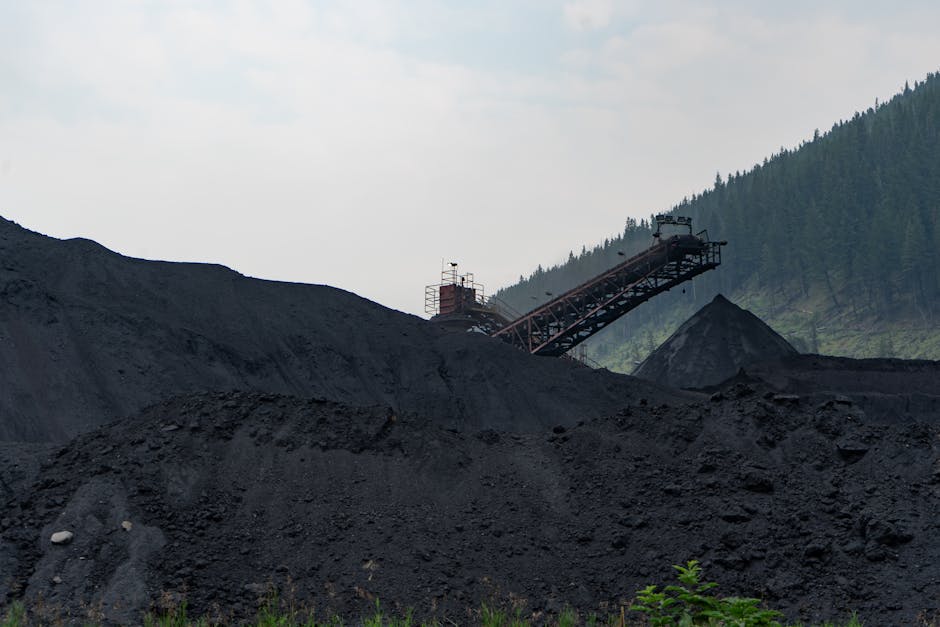
What galls me most, having covered extractive industries since De Beers ruled Kimberley, is the environmental restoration theatre now playing out across the tundra. Rio Tinto promises to return Diavik to near natural state, a process involving moving glacial till (that bedrock sediment took ice ages to deposit) to reconstruct shorelines. It’s like building Ikea furniture without instructions using half missing Allen wrenches after demolishing the living room. These $2.2 billion reclamation efforts might satisfy government checklists, but they won’t recreate functioning ecosystems our lifetimes. Nature doesn’t grade on effort.
Compare this collapse to Botswana, where diamond wealth built universities and hospitals rather than just infrastructure to extract faster. Canada dispersed mines across 1.3 million square kilometers without creating processing centers, hedging strategies, or sovereign funds. When Dubai became the synthetic diamond capital last year, nobody thought to ask why Yellowknife wasn’t competing for those factories. Maybe because civic planners were too busy approving another mine worker condo development.
In 2008, Norwegian pension funds started using synthesised diamonds similar to today’s tech. Any half awake economist could see this transition coming. Instead, Canadian miners focused government lobbying on relaxing environmental reviews rather than seeding future industries. The local Dene Nation’s proposal for carbon capture ventures using mine sites got less attention than Tim Horton‒019s drive thru expansions.
This isn’t singularly Canada’s failure. Northern Minnesota’s iron ranges, West Virginia coal towns, even Alberta’s oil sands show the same myopia. What distinguishes this collapse is Indigenous communities finally getting meaningful economic inclusion right before the floor drops out. The workers losing $100k/year jobs today fought bitterly for shareholding percentages and apprenticeship programs in the 90s contracts finally paying dividends just as dividends became impossible. Timing is everything.
So what happens next to Canada’s north? Tourism won’t replace $8 billion in annual diamond exports. Artisanal fur trading makes nice documentaries but pays mortgages. There’s renewables potential if transmission lines ever reach southern grids, but I’ll believe it when I see it. Chasing rare earth metals seems obvious until you recall China controls 80% of processing capacity. The Territories are left with a future as picturesque climate change exhibit, their doomed boom another entry in anthologies of resource curse tragedies.
Mining executives will land safely. Rio Tinto’s CEO made $9 million last year strategizing exactly this exit. The real lesson lives in company towns where families pack moving vans while reclamation crews plant imported saplings on lands that won’t support forests for centuries. Resource wealth without reinvestment creates cemeteries where ambition outlives opportunity. My Yellowknife bartender friend puts it best during last call, “People think diamonds are forever. Turns out we just rented them.”
 By Daniel Hart