From parliamentary pacifism to reconnaissance roaches, Berlin rewrites its defense doctrine.
There's something uniquely German about responding to an existential crisis by quietly developing cyborg cockroaches. It's like watching a vegan open a steakhouse, hire Michelin chefs, and quietly reassure patrons the schnitzel is made from ethical wheat gluten. The dissonance is almost artistic.
For decades, Germany treated its military like an overzealous relative politely asked to sit out family reunions. Pacifism became the national religion after the Cold War, with defense spending treated as vaguely embarrassing extravagance. The idea of conscription expansion would've elicited laughter louder than a Bavarian beer hall toast. Yet here we are, watching defense contracts bloom like edelweiss in springtime.
The numbers tell their own dry comedy. A 23% spike in military enlistments since last year. A 100 billion euro special fund that makes previous defense budgets look like a child's piggy bank. The Bundeswehr's sudden interest in Madagascar hissing cockroaches outfitted with electrode backpacks. Yes, really. If Kafka wrote techno thrillers, this would be his opening chapter.
Beneath the surreal surface lies a pragmatic calculation familiar to any homeowner suddenly researching alarm systems after burglaries hit the neighborhood. Russia's invasion of Ukraine didn't just shatter Europe's security illusion. It revealed something unsettling alliances have expiration dates. The energy crisis following pipeline shutdowns demonstrated Germany's economic fragility. The subsequent defense awakening acknowledges three truths simultaneously the Putin regime remains expansionist, American commitment fluctuates with electoral cycles, and empty moral posturing dissolves like sugar in rain when tanks roll.
Defense Minister Boris Pistorius plays this geopolitical chess with sober clarity. His warning about Russian readiness to attack the West by 2029 isn't alarmist rhetoric. It's cost benefit analysis from a nation that remembers Soviet tanks parked 100 kilometers from Berlin. Countering Kremlin aspirations requires rethinking everything from defense procurement to insect based surveillance. The cockroach reconnaissance program exemplifies the new pragmatism. Why build miniature robots when nature provides durable, terrain agnostic platforms for pennies? Let Silicon Valley chase sleek drones. Berlin bets on augmented arthropods.
The financial dimensions reveal another quiet revolution. Germany's famous debt brake, that beloved fiscal chastity belt, now includes exemptions for military spending. This would scandalize deficit hawks anywhere else. Yet even fiscal conservatives accept that balanced budgets mean little if borders become suggestions. The projected 80% budget increase by 2029 represents more than procurement. It's generational reinvention of Germany's relationship with power.
Drone manufacturer Quantum Systems' 25 million euro contract highlights industry changes. Defense startups now enjoy government enthusiasm once reserved for wind farms. Skilled workers displaced by automotive electrification find new purpose in arms factories. Entire supply chains retool overnight. The economic ripple touches Rheinmetall workers building tanks and PhDs teaching roaches to navigate debris fields.
None of this erases cultural memory, of course. German lawmakers discuss rearmament with the cheer of someone scheduling root canal surgery. Recruitment posters emphasize defense rather than offense. Battlefield insects undergo ethical reviews to ensure electrode implantation causes no distress. The ghost of Verdun looms over every debate. This isn't militarism reborn but protectionism engineered by engineers.
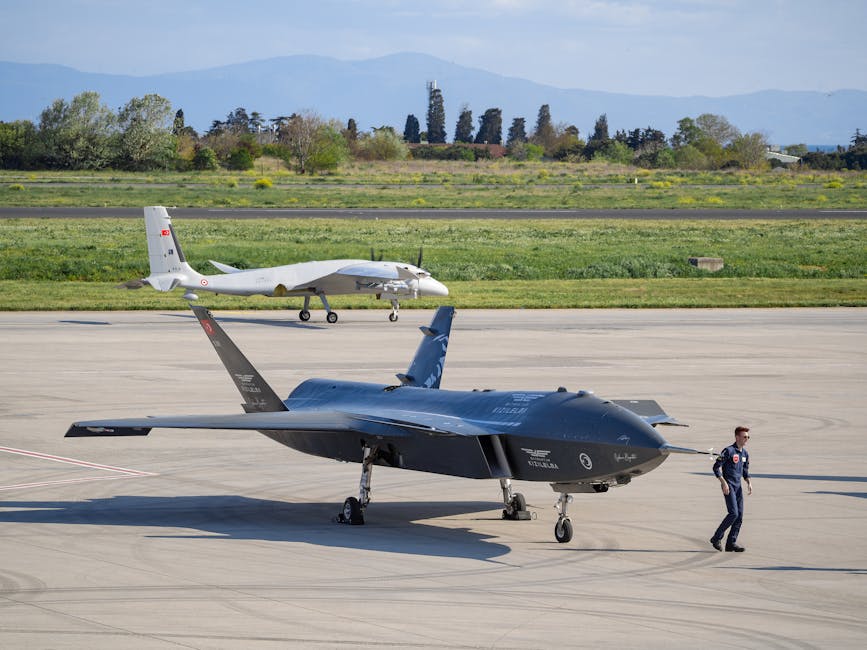
The transatlantic subtext pulses beneath each development. Washington's encouragement of European self reliance was heard, if not always heeded. Germany now aims for defense independence without abandoning NATO. Trump administration calls for alliance members to meet spending targets accelerated the timeline, but the strategy reflects continental realism. America remains essential, yet Europe recognizes that strategic autonomy requires domestic capacity. Hence new fleets of ISR drones flying alongside upgraded Leopard tanks and, presumably, insect reconnaissance battalions.
What emerges resembles less a military buildup than comprehensive societal adaptation. Schools revive civil defense education. Towns update emergency evacuation plans. Cybersecurity firms partner with bakeries to harden infrastructure. The existential isn't abstract anymore. When leaders speak of defending 'living freely in peace,' they reference tangible threats. Russians massing near Kyiv proved abstract principles require concrete deterrents.
This transformation contains hopeful elements worth noting. Germany demonstrates that strategic adaptation needn't mean abandoning democratic values. Defense contracts undergo parliamentary scrutiny. Budget amendments require public debate. The cockroach project reflects whimsical innovation rather than dystopian control. There's something reassuring about a nation that insists its battlefield cyborgs adhere to ethical guidelines.
Challenges persist, naturally. Bureaucracy slows equipment delivery. Pacifist groups protest conscription proposals. Defense firms strain to meet demand. Yet the trajectory is clear. Before Ukraine, Germany leased its security to alliances. Today it builds backup systems.
The ultimate test arrives not in budgetary figures but in perception management. Berlin must convince both citizens and potential adversaries that military readiness serves stability rather than provocation. Parliamentary oversight offers transparency, while avoiding historical echoes. This careful calibration makes Germany a unique case study in responsible rearmament.
Perhaps the most consequential shift occurs inside minds. Germans now discuss national defense without reflexive guilt. Security isn't outsourced. Responsibility is embraced. Should this model succeed, historians may note how insect cyborgs symbolized a larger metamorphosis. A nation once paralyzed by its past learned to walk toward security without sprinting toward militarism. That balance alone merits attention.
As for broader lessons, Europe watches closely. If Germany navigates this path well, it proves defense investment and democratic accountability can coexist. Military revitalization needn't threaten neighbors when transparently framed as protective. Others may follow, crafting their own models. From Baltic states to Balkan nations, similar recalculations proceed quietly. Though none have yet hired entomologists for wartime engineering.
The final irony remains delicious. Germany built reconnaissance cockroaches precisely because its worst memories demand vigilance against repeat catastrophes. No nation understands better how perceived vulnerability can metastasize into destructive aggression. Their solution evolves defensive capabilities while institutionalizing safeguards against historical repetition. Should this experiment succeed, other nations may study Berlin's blueprint for building security architectures grounded in awareness and restraint rather than ambition and amnesia.
 By George Oxley