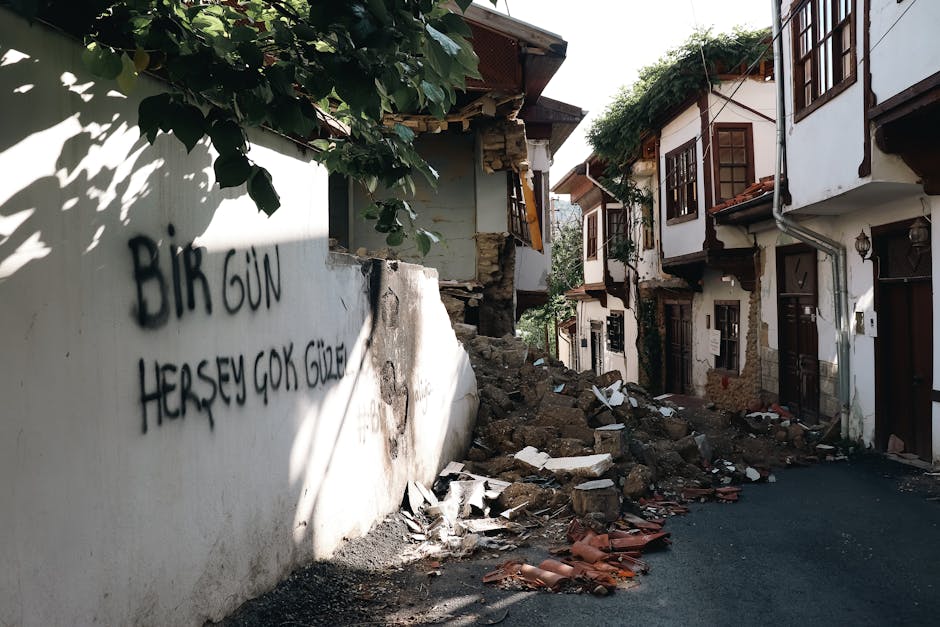
Beneath calm surfaces lie tectonic conversations shaping human destiny
The salt tinged air of Hokkaido carried no warning that Monday night. Fishermen mended nets under constellations older than civilization. Office workers rode trains through tunnels bored into ancient seabeds. Then the world remembered its restlessness.
A 7.6 magnitude earthquake struck off Aomori Prefecture, sending seismic whispers through Japan’s nervous system. What fascinates me most are not the swaying skyscrapers or the tsunami warnings, though those matter intensely. It’s the silent dialogue between human technology and a planet that refuses to sit still.
Japan lives atop geological handshake lines where four tectonic plates converge in an eternal waltz. The Pacific Plate sinks beneath the North American Plate here at nearly the speed fingernails grow. That persistent pressure creates both destruction and creation. The same forces that rattled Hachinohe City this week also gifted Japan with its therapeutic hot springs and volcanic soil fertility.
Modern earthquake science reveals astonishing details most people never consider. Japan’s early warning system detected primary waves traveling through the Earth’s crust at 5 kilometers per second, faster than the secondary waves that cause violent shaking. This gave millions precious seconds to brace. But here’s what moved me learning that surgeons in operating theaters paused procedures, that bullet trains automatically braked, that elevator algorithms sensed the vibrations and opened doors at nearest floors.
I once interviewed survivors of the 2011 Tohoku quake who described something counterintuitive. Amidst the terror, they remembered moments of startling beauty. How telephone wires danced like violin strings. How suspended light fixtures traced perfect circles in midair. How neighbors they’d never spoken to became lifelines. Disasters lay bare both infrastructure fragility and human durability.
There’s poetry in how traditional Japanese architecture anticipated modern engineering. Centuries before base isolation systems used rubber bearings to let buildings sway independently from shaking foundations, craftsmen built wooden joints that could ‘dance’ with tremors. The Nara Period’s pagodas survive earthquakes through stacked tiers that dissipate energy like a stalk of bamboo bending in wind. Ancient solutions echo in contemporary Tokyo’s tuned mass dampers.
Yet Tuesday morning’all clear’ belies deeper tremors. Children who fled to hilltop shelters won’t forget the siren wails. Elders watch coastlines differently after seeing waves crest higher than expected. Psychologists call it seismic anxiety, that nagging sense when placing a glass of water on a table. Will it ripple unexpectedly?
Few outside Japan grasp how earthquake preparedness permeates daily life here. Schoolchildren practice duck and cover drills as routinely as fire drills. Household emergency kits include whistles with two distinct signals, one meaning ‘I’m trapped,’ another signaling ‘need medication.’ Vending machines automatically unlock during disasters to provide free drinks. These details reveal a society shaped by conversations with the ground.
Geologists recently discovered that Japan’s crust contains ‘slow earthquake’ zones where strain releases harmlessly over weeks instead of violently in seconds. Maybe humanity needs cultural equivalents. Small acts of community care that release societal pressure. Checking on isolated neighbors. Maintaining local support networks. The unglamorous work that prevents cumulative fractures.
What haunts me about this latest quake isn’t technical reports, but a fleeting moment captured in background radio chatter. As tsunami warnings blared, an elderly fisherman in Iwate told his grandson, “The ocean always gives warning sighs before roaring. Listen for the sucking sound as water retreats.” Traditional knowledge passed through generations now merges with smartphone alerts. Both saved lives.
The lifted warnings brought relief not celebration. Japan understands that quakes aren’t singular events but punctuations in an ongoing geological story. Each jolt rearranges our definition of normal. What upends coffee cups today built the islands themselves over epochs. Children play baseball on land that was seabed centuries ago.
Perhaps the greatest lesson lies not in how we withstand earthquakes, but in acknowledging their role as Earth’s breath. Without tectonic movement, our planet would lack mountains, ocean trenches, the magnetic field protecting us from solar winds. The same restless energy that threatens coastal towns maintains the conditions for life’s existence.
As reconstruction begins, watch how residents don’t merely repair but reimagine. After past disasters, towns like Kobe built wider evacuation routes illuminated by solar powered lights that double as earthquake sensors. Community centers became elevated structures with rooftop gardens supplying emergency food. Crisis births innovation when met with collective will.
Tonight under the same stars that witnessed Monday’s quake, fishermen will again mend nets in Hokkaido. Office workers will ride the relit trains. The plate boundaries continue their slow dance beneath reassured feet. We remain students in a seismic classroom where Earth teaches humility and resilience through tremors and tides.
 By David Coleman