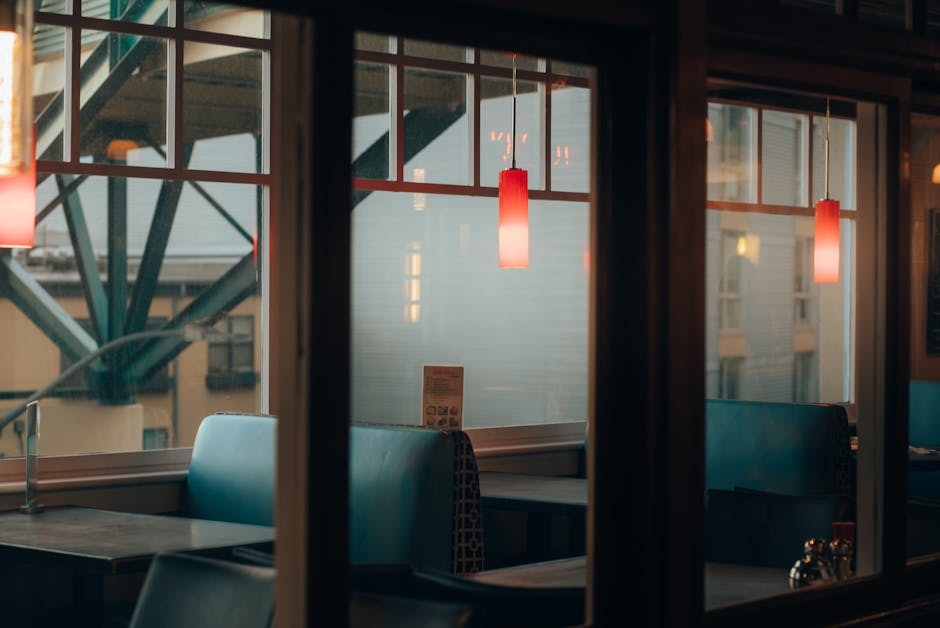
Restaurant tables remain empty while solo wallets stay closed in modern hospitality's baffling standoff
Picture this familiar urban ritual. A woman walks into a moderately busy restaurant at 1:30pm on a Saturday, anticipating a modest personal pleasure. Instead of the warm reception afforded to customers with companions, she’s met with institutionalised prejudice against her solitary state. The establishment won’t seat her. The justification? A laminated sign declaring she exists below the establishment’s minimum viable human threshold.
This isn’t some dystopian novel’s plot device, but Elif Turkish BBQ’s operational policy on Bold Street. The restaurant, which recently won a 'best value' accolade apparently valued not accepting 50% of potential paying customers. Their rejection of regular solo diner Sharon Davies despite three previous welcome visits perfectly illustrates business strategy unraveling into performative nonsense. What begins as spatial efficiency excuses gradually reveals itself as commercial self-sabotage dressed in polyester restaurant uniforms.
The lazy justification about table economics doesn’t withstand basic scrutiny. The average solo diner occupies a table for 45 minutes against the typical 90 minute group turnover. They often spend proportionally more per head without splitting bills six ways. This maths becomes especially hilarious considering restaurants dedicate entire business models to food delivery platforms where zero bottoms grace seats yet contribute substantially to revenue. But God forbid an actual human wants to exchange currency for service within breathing distance of their open kitchen.
Beyond the financial illiteracy lies deeper cultural myopia. The Campaign to End Loneliness reports 3.8 million UK adults eat every meal alone. Deloitte’s consumer trends analysis shows solo dining increased 72% between 2015 and 2022. Pret passively acknowledged this shift years ago with communal tables. Even traditionally group focused establishments like Hawksmoor now actively court solo trade through bar seating and express menus. Yet here we witness a restaurant casually alienating exactly the customers competitors are courting.
The operational hypocrisy becomes particularly delicious when examining table allocation dynamics. Any restaurateur knows the true sacred cow isn’t table occupation ratios but reservation slots. The irrational fear of empty tables leads to overbooking disasters while walk ins get punished. Davies’ observation about rejected seating despite vacant two tops exposes standard industry schizophrenia. Front of house manually optimises perceived prestige rather than actual revenue management. An aphorism comes to mind about cutting off noses to spite faces.
Then we address the customer service kabuki theatre. The gift card non refundable policy invoked against a solo diner forced into breaking their own loyalty represents business at its most tonedeaf. Most laughably, staff apparently recognise Davies as a regular, yet double down on rejecting her while staring at unused tables. The earnest waiters could probably explain cost per cover economics if prompted, but their managers remain convinced that turning away warm bodies passing credit cards constitutes smart operations. It seems hospitality’s obsession with 'vibes' has somehow soiled itself against solo contentment.
Forgive the tangent, but allow me to contrast with Tokyo’s ‘Ichiran’ ramen chain where solo dining isn’t merely tolerated but celebrated via discrete partitioned booths. Or London’s ‘Counter Culture’ where communal counters facilitate both solitude and optional engagement. These establishments understand modern consumption weaves isolation and community into complex patterns. They don’t demand customers arrive pre packaged in socially acceptable groupings before accepting their money.
As for Davies’ declined voucher, the financial logic morphs from dubious to self parodying. An unredeemed £50 gift card benefits precisely nobody. The restaurant accrues liability without reciprocal trade. The customer hosts resentment without service compensation. The accountants shuffle paperwork without revenue recognition. When corporate policy reaches this zenith of lose lose outcomes, we must acknowledge ideological stubbornness trumping commercial sanity.
Northern Powerhouse rhetoric about economic revival via hospitality rings hollow when establishments actively repel customers willing to participate in said revival. Research from Manchester Metropolitan University shows smaller restaurants bleed 27% potential revenue through inefficient table management, an irony made palpable here. The disconnect between industry awards for 'best value' and actively diminished customer access creates cognitive whiplash.
Beyond commercial foolishness lies darker psychological terrain. Rejecting solo adults perpetuates lingering Victorian shame about public solitude. The unspoken suggestion that dining alone implies social failure whispers through such exclusionary policies. Imagine applying similar logic to cinema ticket sales or theatre seats. The notion of requiring emotional chaperones for basic leisure activities belongs to sepia tinted eras, not modern consumer economies.
Contrary to popular delusion, group dining hasn’t declined because humans became less sociable, but because work patterns fragmented, family structures evolved, and urban mobility increased. Office for National Statistics data reveals single occupancy households now represent 30% of UK residences. Marketing 101 suggests businesses align with demographic reality rather than demanding customers conform to outdated operational preferences.
One sympathises with hospitality’s brutal economics, where razor thin margins encourage desperate measures. Yet policy must distinguish between sensible constraints and pointless bigotry against potential revenue streams. Arguments about group spending power ignore that tables turned four times by solo diners typically outperform single group occupation financially, not to mention the Kaufman Foundation research showing solo visitors tip 10% more generously on average.
The protest that established could fill tables with larger parties rings hollow when they demonstrably didn’t at the moment in question. No operator should prioritise phantom theoretical customers over flesh and blood ones actually presenting payment methods while hungry. The sunk cost fallacy of empty seats seems particularly stubborn in this industry.
Let’s address human impact beyond Davies’ lentil soup nostalgia. Hospitality purports to trade in comfort and inclusion. Excluding unaccompanied adults directly contradicts that mission. It tells shift workers eating between jobs they’re unwelcome. It informs recently separated partners that their new status deserves punishment. It warns grieving widows they’ll mourn both spouses and restaurant access simultaneously. All while citing fabricated logistical obstacles that evaporate under casual scrutiny.
Ultimately this micro saga exposes how leadership failures manifest as customer-facing absurdity. Managers fearing accountability for flexible decisions hide behind laminated signs. Corporate cowardice trumps common sense. Training prioritises rule enforcement over situational judgment. The insulating layers between sensible business decisions and rigid operational theatre grow thicker by every unsatisfied customer departure.
Visually, the mathematics become comedic. Vacant tables + willing customer + available staff = refusal equals how exactly? Financial logic has left the building, possibly seeking lunch elsewhere with better service. The restaurant might convince itself referencing 'safety' explains rejecting unpartnered humans, but let’s be honest, nobody believes the lone 56 year old woman threatens cutlery security.
Perhaps I’m overthinking laminated signs with grammar issues. Maybe the establishment believes alienating solitary eaters enhances ambience for groups who might feel uncomfortable seeing contentment without companions. Possibly they take inspiration from tennis clubs demanding mixed doubles players for court access. Or perhaps they simply lack courage to admit enjoying one’s own company constitutes valid human behaviour deserving of culinary celebration.
Either way, the gaslighting intensifies when questioned about inconsistent policy application. Having seated Davies on three previous occasions, management pivots to erratic discretion rather than admitting flawed fundamental assumptions. One can’t help wondering if such decisions depend on who’s working the door that hour, which seats they imagine might hypothetically accommodate imaginary larger parties, or whether Mercury happens to be in retrograde.
So here we arrive at capitalism’s ultimate irony. Businesses enact self defeating policies to avoid minor operational flexibilities, lose measurable income from actual customers, accumulate resentment and bad publicity, all while starving literal and metaphorical tables. The comedy magnifies when discussing independent restaurants operating without corporate bureaucracy yet still contracting bureaucratic paralysis.
Davies’ reasonable expectation that her documented custom would outweigh arbitrary seating rules cuts to retail's central covenant. Transactions represent mutual consent, not feudal patronage. The refusal risks teaching customers that loyalty flows one way while contempt flows freely. This journalism graduate applauds Davies for taking her custom and story elsewhere. Every ‘no solo diners’ sign represents opportunities for competitors saying ‘yes’ to cold hard cash.
 By Edward Clarke