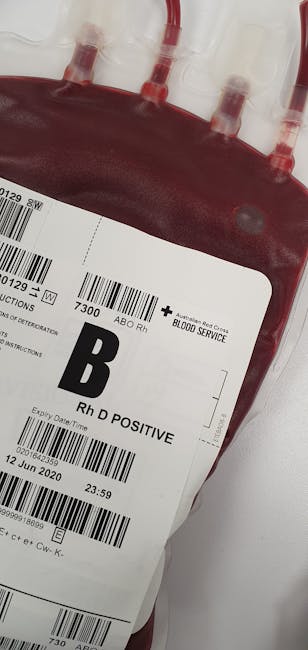
Silent crisis behind the festive lights
The scent of pine needles mingles with antiseptic in hospitals every December, an unsettling reminder of two parallel worlds. Downstairs, critical care units perform careful triage as blood supplies dwindle. Upstairs, administrators draft yet another urgent appeal for donors, their wording growing increasingly desperate with each passing year. This seasonal collapse of our blood reserves has become as predictable as tinsel in supermarket aisles, yet we treat it with the urgency of expired eggnog.
Imagine being the surgeon who must tell a family their loved one's lifesaving operation will be delayed because the community forgot to donate blood. Picture the expectant mother hemorrhaging during childbirth as staff whisper about low platelet stocks. These scenes unfold annually across hospitals, whispered about in break rooms but rarely making headlines until crisis erupts. Our collective indifference to this recurring emergency reveals uncomfortable truths about how we value human life.
The mathematics are chillingly straightforward. A single car accident victim can require up to a hundred units of blood. Cancer patients undergoing chemotherapy need regular transfusions. Children with sickle cell anemia depend on specific blood components to survive. Yet donations drop by twenty percent or more during holidays, precisely when road accidents spike and hospital staffing decreases. The financial cost of this shortage runs into millions as postponed surgeries create backlogs, not to mention the incalculable human toll of preventable suffering.
What makes this annual crisis especially galling is its predictability. Blood banks possess decades worth of donation patterns showing predictable dips around major holidays. Yet our response remains stuck in reactive mode, treating each shortage as an unexpected catastrophe rather than an anticipated challenge. Why haven't we developed robust mitigation strategies after so many years of identical emergencies. Where are the mobile donation units at shopping malls between Thanksgiving and New Year's. Why aren't corporations incentivizing employee donations during critical periods instead of Year End parties.
The answer lies somewhere between bureaucratic inertia and societal complacency. Blood donation systems worldwide operate on antiquated models developed in the World War II era, failing to adapt to modern lifestyles. Donation drives still primarily target workplaces during weekday hours, shutting out gig economy workers and remote employees. No serious nationwide education programs exist to explain donation needs to Millennials or Gen Z, resulting in skewed donor demographics. Most frustratingly, governments persist in treating voluntary donation as charity rather than essential infrastructure.
Consider Japan's transformation from struggling blood supplier to global leader through simple behavioral science. Faced with similar seasonal shortages, they installed donation centers in train stations with visible countdown clocks showing regional blood levels. Donors received real time updates about whose lives their blood saved. The result was a twenty nine percent increase in regular donors within five years, breaking the feast or famine donation cycle. Meanwhile in our cities, blood banks remain hidden in hospital basements clinging to paper based systems.
The personal stories behind the statistics could power a thousand hospital dramas. Take Martin, a regular donor for fifteen years until his local center stopped accommodating his wheelchair. Or the Nguyen family donating in their son's memory after his leukemia treatment required eighty two transfusions. Then there's the quiet heroism of nurses donating during lunch breaks after watching a child wait hours for platelets. These are not tales of abstract benevolence but concrete survival mechanisms for entire communities.
Our political leaders will rightfully champion cancer research funding and emergency response teams, yet blood supply gets relegated to vague public service announcements. This is where real health equity lives. Unlike experimental gene therapies or robotic surgery, blood products remain the bedrock technology of modern medicine. Without it, entire specialties from trauma surgery to oncology collapse. That we allow this foundation to crumble annually speaks volumes about our skewed priorities.
Solving this requires reimagining blood donation as essential civic infrastructure. Imagine tax credits matching every donation, or designated donation hours counting toward community service requirements. Picture pharmacies doubling as micro donation centers with instant hemoglobin testing. Consider schools teaching blood science alongside sex education, empowering teenagers to donate upon eligibility. Technology already exists for app based scheduling and blood type specific alerts when shortages occur, yet implementation crawls at bureaucratic speed.
Blood shortages particularly devastate marginalized groups. Sickle cell patients are predominantly Black, requiring more frequent transfusions from compatible donors within their community. Indigenous populations need rare blood types rarely captured by urban donor drives. The current system forces vulnerable groups to rely on the charity of demographics least likely to donate, creating dangerous health disparities. This isn't merely poor planning, it's institutional negligence.
As you read this, surgical teams somewhere are rehearsing difficult conversations about postponing operations. Leukemia patients brace for shortened platelet supplies. Families pray their holiday celebrations won't include emergency room visits. Amid all the glitter and glee of this season, we're failing our most basic test of community care. The crimson thread of shared humanity runs not through shopping malls or social media feeds, but through the veins of ordinary people willing to share their most precious resource. Until we treat blood donation with the same seriousness as disaster preparedness, this annual gamble with lives will continue.
Change begins with recognizing that our current system doesn't need bandaids but radical redesign. Blood banks should operate like weather services, forecasting shortages weeks in advance based on historical data, weather patterns and public health alerts. Government agencies must make donor participation as routine as vaccine drives. Pharma companies profiting from blood products should be mandated to fund awareness campaigns. Most importantly, each of us must move beyond performative once yearly donations to sustained commitment. Lives truly depend on it, not just during holidays but every day between them.
 By Helen Parker