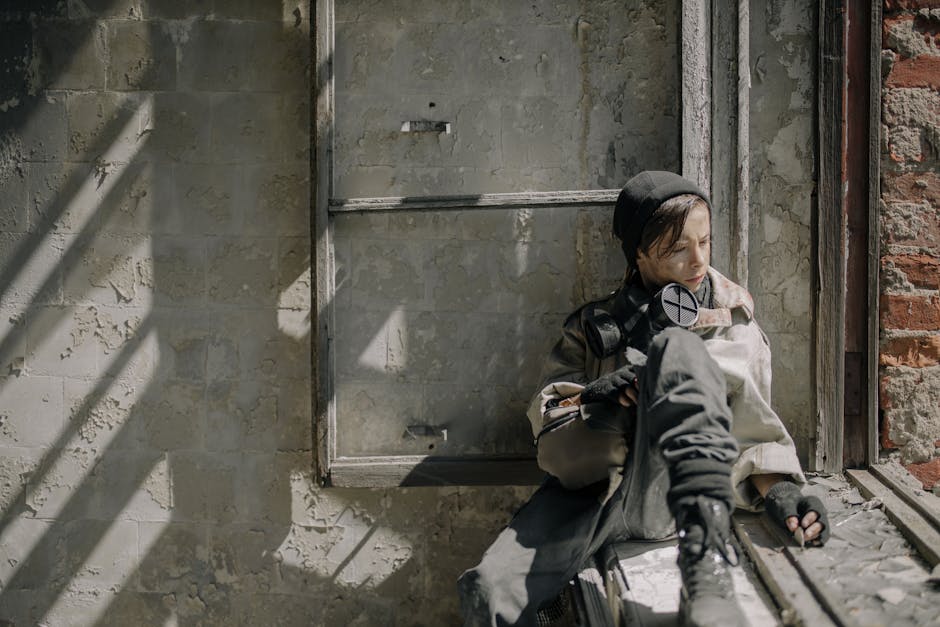
When bureaucracy overlooks both human stories and practical solutions
There's a certain dark comedy in the phrase Temporary Protected Status. It carries the same dependable permanence as a New Year's resolution made at midnight or a mall traffic cone momentarily protecting a freshly mopped floor. Nobody expects these temporary solutions to last. Yet people keep believing it each time. Real perseverance begins when the cone gets kicked aside.
Consider the South Sudanese families currently awaiting January with the nervous energy of holiday revelers watching the ball drop. These nearly one thousand households built lives under legal protections since 2011. They enrolled children in schools, started businesses, coached Little League teams and proliferated throughout communities from Portland to Arlington. All while checking their status renewals with the anxiety typically reserved for serious health prognoses. Their homeland's independence birthed hope globally but delivered only escalating violence locally. No rational person would send children into this maelstrom. Until the paperwork says otherwise.
Here lies the contradiction. South Sudan currently fails every commonsense test for safe repatriation. The United Nations World Food Program estimates 65% of its population faces crisis level hunger. Medecins Sans Frontieres reports entire hospital systems collapsing. Multiple insurgencies control swaths of territory beyond government oversight. Yet immigration policy says people must return because the filing cabinet says their temporary shelf life expired. Never mind that Maine civic leaders spent years recruiting immigrant workers specifically to counteract their state's rapidly aging workforce. Portland’s community soccer programs and vibrant ethnic groceries now risk being sandcastles awaiting the regulatory tide.
America grapples daily with recruiting enough nurses, farmworkers and small business entrepreneurs to maintain economic momentum. Regions starving for fresh talent watch helplessly as artificial deadlines eject precisely the driven individuals their communities need. A 28 year old middle distance runner racing toward Olympic contention might seem the quintessential success story. Instead he prepares resume copies for South Sudanese warlords. Our indifference threatens to deport real human potential into literal war zones.
Reverberations extend beyond the individuals directly affected. Family members holding various statuses must choose between abandoning loved ones or uprooting settled American citizen children. Churches lose congregants they shepherded through blizzards and career changes. Little League teams lose coaches who showed immigrant kids how baseball stitches together diverse neighborhoods. The economic ripple effects alone illustrate innate short-sightedness. Texas employers know this tension acutely, watching visa approved workers depart annually while border chaos persists. Practical solutions already gather dust in congressional briefcases.
Legislative possibilities invite constructive optimism. Representatives from both parties floated bipartisan proposals for years, including converting long term TPS recipients toward legal permanent status pathways. The White House could unilaterally extend protections as it considers regional stability data. South Sudanese authorities themselves could lobby Washington for delayed returns while they stabilize infrastructure. These lifelines remain unused while America casually discards integrated community members like defective merchandise.
This transcends partisan positioning. It reflects fundamental questions about national priorities and moral coherence. Economically this abandonment undermines regional growth plans predicated on immigrant labor. Diplomatically it signals disregard for United Nations humanitarian warnings about preventable crises. Ethically it presents children with Sophie’s choice, families with untenable separations and young strivers with organizational nihilism. All while perversely squandering resources already invested in assimilating productive residents. The system treats TPS status like rented furniture when these communities became foundational walls.
The evident solution? Acknowledge reality. Twelve consecutive years of temporary residency paints unavoidable permanence. Continued integration benefits demonstrated taxpayers, addresses labor shortages and honors American tradition. Every alternative perpetuates unnecessary human chaos while affronting fiscal practicality.
Maybe one day we’ll tell cynical jokes about temporary compassion with retrospective wisdom. For now South Sudanese families cling to fading hope like slide rules against modernity. Their American born children never knew any brown rivers or bullet cracked playgrounds. The comforting myth of temporariness persists until the ocean sweeps sandcastle homes away. All while common sense waves politely from dry land, offering overlooked life preservers.
 By George Oxley