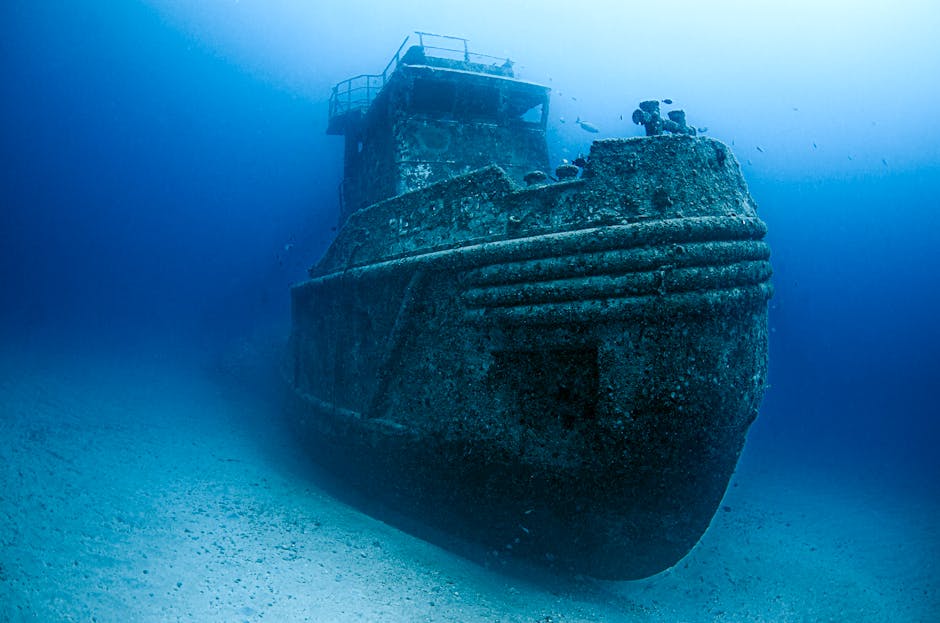
An ancient boat whispers warnings of civilization's fragility as rising tides threaten memory itself
There is something profoundly intimate about waterlogged wood. When archaeologists recently pulled a two thousand year old pleasure boat from Alexandria's harbor, what emerged wasn't just traces of Roman Egyptian decadence, but something resembling a time traveler's confession. Imagine running your fingers along planks where wealthy revelers once trailed theirs, feeling the same grain patterns beneath your touch, separated by eighty generations of human dreams and failures. This vessel, longer than two school buses parked end to end, tells stories that landlocked ruins cannot. Water preserves secrets differently than desert sands. Moisture seeps. Algae clings. Wood fibers swell with memories.
The craftsmanship discovered here is astonishing. This was no utilitarian fishing skiff, but a floating palace powered solely by human muscle. Greek graffiti etched into the central timber seems paradoxically casual against such opulence, evidence of technicians doubling as artists. That this vessel survived at all feels miraculous given surrounding realities. Alexandria sinks three millimeters yearly into a Mediterranean growing hungry for coastal cities. By mid century, waves will lap at Cleopatra's submerged palace doors unless radical intervention occurs. The same waters preserving history might soon erase it completely.
Here lies an uncomfortable truth modern archaeology rarely voices. Every recovered artifact comes stamped with an expiration date. Conservation labs fight desperate battles against time using epoxy resins and controlled climates, but entropy always wins. The pleasure boat's buffed cedar decks once bore sandaled feet seeking entertainment along the Nile Delta. Today, its warped beams offer sober entertainment to scholars documenting civilization's fragility. Climate change accelerations now mirror the tectonic shifts that originally drowned Antirhodos Island where this vessel docked. Nature repeats her lessons for students too distracted to notice.
Consider the socioeconomic poetry uncovered here. Ancient sources describe similar boats carrying nobility to hunt hippopotamuses, creatures now extinct in Egypt. The wealthy pursued transient thrills aboard vessels representing peak naval architecture, indifferent to environmental consequences already unfolding around them. Modern parallels require little imagination. Like our ancestors' ostrich plume fans and jeweled wine goblets, today's luxury yachts and private jets testify to indulgence's eternal appeal. Yet both eras share deferred costs future generations must pay, whether through extinguished species or acidifying oceans.
Underwater archaeology contains unique melancholy. Where tomb raiders once pillaged dry chambers, marine researchers race against rising seas threatening entire cities. Every artifact hauled up represents potential salvation or elegy. Napoleon's nearby sunken fleet, discovered years ago, provides haunting company for this Roman relic. Two empires separated by millennia rest together beneath Alexandria's polluted harbor waters like library books shelved improperly by an indifferent clerk. Their juxtaposition challenges easy narratives about historical progress.
Preservation science reveals ethical quandaries. Saving this boat requires soaking timbers in polyethylene glycol for years, replacing decomposed cellulose with synthetic stabilizers. Is the resulting artifact truly original when half its substance belongs to modern chemicals? Museums display such hybrids without disclosing their Frankenstein nature. The aesthetics delight, yet complicate historical authenticity. Visitors might hesitate if told viewing requires climate controlled chambers maintained through fossil fuel consumption hastening similar relics' destruction elsewhere. Contradictions cling like harbor silt to recovered treasures.
Perhaps most striking is how selectively time preserves cultural memory. While this pleasure yacht survives through miraculous circumstances, most ancient Egyptian vessels rotted away unrecorded. Our understanding of maritime history tilts toward wealthy elites who commissioned durable luxury crafts, not fishermen whose reed boats decomposed within seasons. Reconstruction inevitably biases toward societies that built with longevity materials, effectively filtering history through the priorities of privileged minorities. A wooden vessel sailing past daily poverty becomes archaeologically privileged over fleeting expressions of ordinary life.
The knowledge this discovery promises remains partial. Researchers hope analysis of wood joinery techniques might illuminate trade networks, while residue analyses could reveal banqueting foods consumed aboard. Yet crucial information perished long ago. What music entertained passengers? Did philosophers debate aboard during moonlit cruises? The boat's silence on these matters feels deafening. Material culture seldom preserves emotional truth, yet historians must weave tapestries from half faded threads.
As someone who's watched conservators labor over shipwrecks in Oslo's Viking Ship Museum, I recognize that familiar blend of reverence and resignation. Chemical vats bubble quietly behind glass as specialists fight to postpone what they know is inevitable. Their work parallels Egyptian archaeologists desperately installing offshore barriers against Mediterranean encroachment destined to fail eventually. Our entire relationship with heritage feels increasingly valedictory, less about permanence than dignified delaying tactics.
Global warming reshapes archaeology's mandate. Traditional excavation focuses on recovery and reassembly, but current threats demand preemptive documentation of sites certain to vanish. Teams now photograph, scan, and digitize endangered structures before climate change or conflict erase them forever. The pleasure boat's digital twin will eventually replace its physical remains in research databases, an immortal ghost anticipating material decay. Future scholars might interact with flawless holograms unaware of actual wreckage dissolving miles away. Such is progress.
This Alexandrian vessel ultimately serves as metaphor and warning. Civilizations resemble ships in fundamental ways. Both require balance and foresight to navigate turbulent waters. Both depend on structures mostly hidden beneath surface appearances. Both accumulate barnacles of bureaucracy and compromise over time. And both eventually founder when too many small leaks exceed repair capacity. Whether wood splinters or concrete crumbles, time's patient siege succeeds through numbers rather than force.
Two thousand years hence, what legacy might our era's pleasure craft reveal about priorities and blindnesses? Cruise ships the length of skyscrapers currently ply those same Mediterranean routes with scant regard for either past or future. If discovered millennia ahead, their plastic debris and fuel residues might paint damning portraits of a society that sailed toward catastrophe in style. One wonders what equivalents future archaeologists will tease from our sunken hubris, should anyone remain capable of caring. Maritime history rarely flatters the complacent.
Walking Alexandria's Corniche today offers dissonant vistas. New seawalls rise beside fifth century Roman amphitheaters as luxury condominiums tower over Greek ruins. Taxis honk past mosaic fragments salvaged from harbor muck, conductors shouting routes through open windows. Locals debate whether relocating Pharaonic statues prevents damage while children kick soccer balls against barricades protecting Ptolemaic temple foundations. Heritage preservation increasingly feels like gardening during a hurricane.
When the pleasure boat eventually goes on display after its decade long preservation treatment, visitors will marvel at its graceful lines while glancing nervously at sullen gray seas visible through museum windows. The irony won't escape some observers. Conserving this relic required energy expenditure hastening regional submersion. To appreciate heritage, we actively destroy its context. Like mourners keeping vigil at a terminal bedside, we document diminishing returns of a disappearing world, hoping our photos will comfort someone later.
Yet amid grim prognoses, the boat still stirs wonder. Human hands shaped these timbers using mathematics unsupported by modern instrumentation. Craftsmen extracted geometric perfection from organic irregularity through intuition alone. Their achievement endures because saturated sediments denied oxygen to wood devouring organisms, much like bog bodies mummify through chemical accident. Survival often depends on unforeseen chemical handshakes between artifact and environment. Preservation requires collaboration between intention and accident.
Perhaps time's true lesson involves recognizing our participatory role in entropy's narrative. Each conserved relic represents an argument against despair, evidence that mindful stewardship sometimes steals victories from oblivion's grasp. The Alexandrian boat's chance survival, coupled with dedicated resuscitation efforts, suggests a countervailing impulse against destruction. True, our efforts likely postpone the inevitable rather than prevent it, but postponement enables revelation. Every day saved allows fresh understanding.
Two millennia from now, another society might resurrect our sunken cities with technologies we cannot imagine. Their scholars might debate why retrograde early twenty first century cultures squandered planetary stability for transient conveniences. They might pity or condemn us, while marveling at artistry we left behind, unaware their own blind spots mirror ours. History remains an endless philosophical dialogue conducted across time via material whispers, if we attune our ears correctly. The boat is speaking. Are we courageous enough to listen?
 By David Coleman