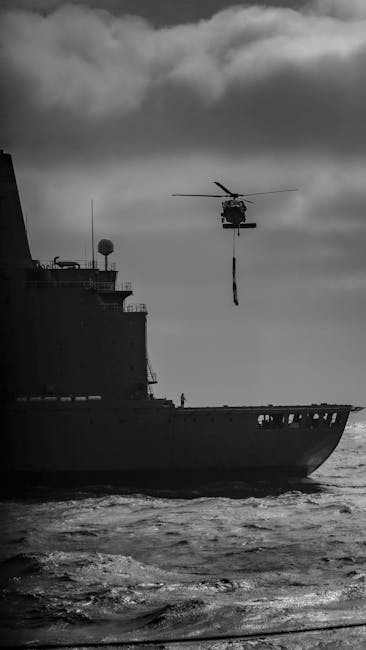
Military accountability meets political theater in the fog of maritime maneuvers.
There's an old military joke about the junior officer who reported seeing enemy troops across the river, only to be told by his commander to stop worrying because the general was coming tomorrow to inspect the bridge. It’s the perfect metaphor for how operational realities often collide with political optics in Washington, where the fog of bureaucracy sometimes obscures more than enemy smokescreens ever could.
The latest chapter involves sensitive maritime operations against suspected narcotics traffickers, decisions about force application, and the inevitable post operation scrutiny that follows any kinetic military action. What began as a routine interdiction mission has evolved into a case study in institutional trust and the delicate balance between civilian oversight and military autonomy.
Critics have focused intensely on the timeline of who made which decisions and when they knew it. Some argue that leadership attention spans shouldn’t be measured in meeting length rather than mission duration. Others counter that modern warfare necessitates decentralized decision making, trusting commanders on scene to exercise the authority we’ve given them through years of training and experience.
This tension isn’t new. The Roman historian Tacitus documented similar debates between senators and generals regarding military oversight. What’s different today is the immediacy of scrutiny and the political stakes surrounding every operational detail. The modern battlefield extends to congressional hearing rooms and social media feeds, where narratives solidify before damage assessments are complete.
But beyond the partisan theater lies substantive questions about accountability frameworks. No serious observer disputes the need for robust counter narcotics operations. The Caribbean transit zone remains a critical vector for illicit substances entering American communities. Successive administrations have rightly prioritized disrupting these trafficking networks through coordinated military and law enforcement efforts.
Where opinions diverge is on how we maintain proper oversight while preserving operational security. Some propose expanded reporting requirements to congressional defense committees within hours of significant actions. Others argue this would dangerously second guess commanders in real time, creating bureaucratic hesitation where decisive action is needed.
The human dimension gets lost in these debates. For every weapons system deployed, there are sailors making split second judgments amid roiling seas and uncertain intelligence. Our military professionals deserve clearer guidance about decision thresholds and more consistent support when operations don’t unfold by the textbook. Knee jerk criticism of field commanders undermines the very institutional confidence we need to maintain operational effectiveness.
Financial impacts likewise deserve consideration. Maritime interdiction operations consume substantial resources that might otherwise fund port security enhancements or demand reduction programs domestically. We should periodically evaluate whether our current resource allocation matches the evolving threat landscape, particularly as synthetic opioids increasingly bypass traditional smuggling routes.
This incident also highlights structural questions about military civilian relations that transcend any single administration. The Goldwater Nichols framework created after Vietnam still provides sound guidance, but its application deserves regular review as warfare changes. Cyber operations and autonomous systems present challenges unimaginable when current protocols were established.
Constructive reforms could emerge from this moment. Enhanced after action reporting procedures might balance transparency needs with operational sensitivities. Better training for congressional oversight committees could foster more informed scrutiny. Even simple measures like standardizing operational syndication across executive branch departments could prevent future communications gaps.
Some lawmakers have proposed updating the War Powers Resolution to clarify reporting requirements for kinetic actions below traditional armed conflict thresholds. Others advocate for strengthening inspector general authorities to review time sensitive decisions. These ideas merit serious debate rather than reflexive partisan dismissal.
Ultimately, public trust depends on seeing clear decision pathways, not political point scoring. Citizens deserve confidence that their defense apparatus maintains both operational effectiveness and proper accountability. These aren’t competing values but complementary necessities in a democracy that projects global power.
This moment presents an opportunity to strengthen institutional guardrails without undermining command authority. By focusing on process improvements rather than personal critiques, we can emerge with better protocols that serve both national security imperatives and democratic accountability principles. There’s precedent for this approach arms control agreements during the Cold War emerged from equally fraught policy environments through pragmatic compromise.
Military professionals continue their vital work defending national interests regardless of political winds. Our debates should honor their service by seeking solutions that enhance their effectiveness while maintaining the civilian oversight that distinguishes American democracy. The bridge between these priorities remains sound engineering, not political theater.
 By George Oxley