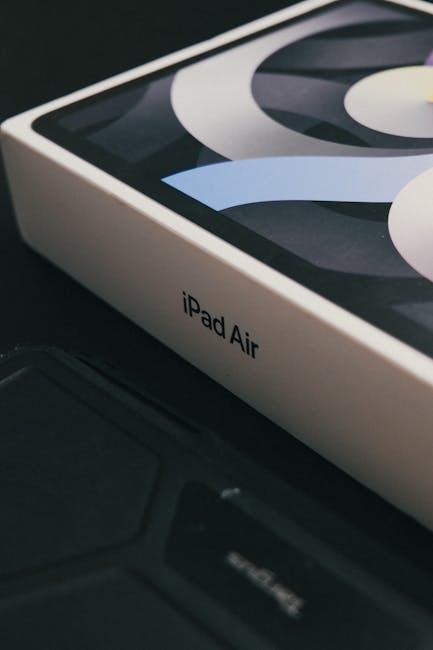
A luxury tablet at budget prices reveals more about Silicon Valley's stagnation than holiday cheer.
I remember the exact moment tablets felt revolutionary. Holding the first iPad in 2010 was like touching tomorrow, a sheet of glass that whispered promises of newspapers coming alive and textbooks shedding their paper skins. Fifteen years later, finding Apple's latest iPad Air with its supposedly pro grade M3 chip selling for $400 feels less like progress and more like an industry quietly admitting defeat. This isn't generosity, it's the sound of a category gasping for air.
The numbers tell one story, a sleek device with workstation DNA now priced like entry level gear. But walk with me through the implications you won't see in Target's holiday circular. What does it mean when Apple, the company that trained us to equate premium pricing with cutting edge innovation, can't convince people its mid tier tablet is worth $600 anymore. This fire sale isn't accidental, it's symptomatic of a fundamental rot in personal computing's evolution, or rather, its stagnation.
My first gut reaction was suspicion. When luxury brands discount heavily, it usually means one of two things, fresh inventory is imminent, or the product isn't moving. Neither scenario speaks well of Apple's product strategy in 2025. If a mythical iPad Air with M4 chips waits in the wings, this clearance feels disrespectful to early adopters who paid full price months ago. If sales are lagging, that's worse, proof that even Apple's halo can't make tablets feel essential anymore. Both explanations unsettle me more than excite me.
Peel back another layer and you find a quiet revolution in consumer tolerance. We've reached peak upgrade fatigue. My niece uses a 2018 iPad for digital art with no complaints. My neighbor streams Netflix on a cracked hand me down model from who knows when. People aren't buying tablets because the old ones work fine, and the new ones do little that feels meaningfully different. Apple knows this, hence the pricing Hail Mary. But dropping prices to move metal reveals a brutal truth, modern tablets have become commodities, not objects of desire.
Don't mistake my cynicism for disdain toward consumers getting good deals. A $400 iPad Air is objectively fantastic for anyone needing a capable tablet. But the journalist in me can't ignore the industry wide shadow this sale casts. Samsung and Microsoft have been racing Apple to the bottom for years, with midrange Android tablets and discounted Surfaces cluttering store shelves. This pricing move feels like Apple finally waving the white flag, admitting that tablets can no longer command premium real estate in our budgets or our imaginations.
Underneath it all simmers an identity crisis that's been brewing since phones grew into phablets and laptops went on extreme diets. Ask anyone under 30 what device they grab first in the morning, it's their phone. When real work happens, it happens on MacBooks or gaming laptops. Tablets occupy this awkward middle ground that Apple still hasn't convincingly filled fifteen years in. Marketing materials show them as creative powerhouses and productivity workhorses, but real world use cases are vanishingly specific. Handy for digital illustrators, nice for airline entertainment, occasionally useful as a second monitor. No wonder sales need artificial respiration via deep discounts.
The timing here is equally telling. Announcing deep holiday discounts with guaranteed Christmas delivery feels like a play straight from the desperation playbook. Since when does Apple, the master of scarcity marketing, need to guarantee holiday stocking stuffing. This echoes last minute Walmart doorbusters more than Cupertino's usual prestige playbook. That shift alone speaks volumes about how much pressure they're under to hit quarterly numbers in an increasingly saturated market.
None of this happens in a vacuum. Zoom out and the tech industry's growth engines are sputtering. Smartphone sales plateaued years ago. The Metaverse flopped harder than New Coke. AI promises transformation but mostly delivers fancier chatbots and awkward Photoshop plugins. Against this backdrop, even Apple tacking into discount waters signals something bigger, the end of effortless growth in personal electronics. When the titan starts cutting prices not just on old stock but current gen hardware, it's economic weathervanes swinging toward stormy conditions industry wide.
Some readers will call this analysis alarmist. Maybe. But having covered tech since the iPod was cutting edge, I recognize inflection points. The last time Apple engaged in this level of aggressive discounting was during the 2008 financial crisis, when consumers temporarily closed their wallets. Today's discounts arrive amidst supposedly strong economic indicators. That disconnect should terrify anyone invested in tech's innovation pipeline. If premium products can't sustain premium pricing in good times, what happens during actual hardship.
Finally, a provocation. What if this isn't tactical but existential. Maybe Apple knows tablets peaked years ago and is milking the category's last profitable moments before letting it gently sunset. Wild speculation perhaps, but $400 for what was positioned as pro hardware six months ago suggests a company more interested in clearing inventory than defending product tiers. If I'm right, enjoy your discount iPad Air, it might be the last generation they bother making at this quality level.
Here's my bittersweet conclusion. Apple making high end tech accessible should be cause for celebration. Instead, seeing this particular product at this particular price feels like watching a once vibrant species slip toward endangerment. The tablet's glory days are behind it, and no amount of silicon horsepower or holiday discounts can resurrect that initial magic. Get yours while they're still being made with care. The next generation might be cheap plastic or not made at all.
 By Robert Anderson