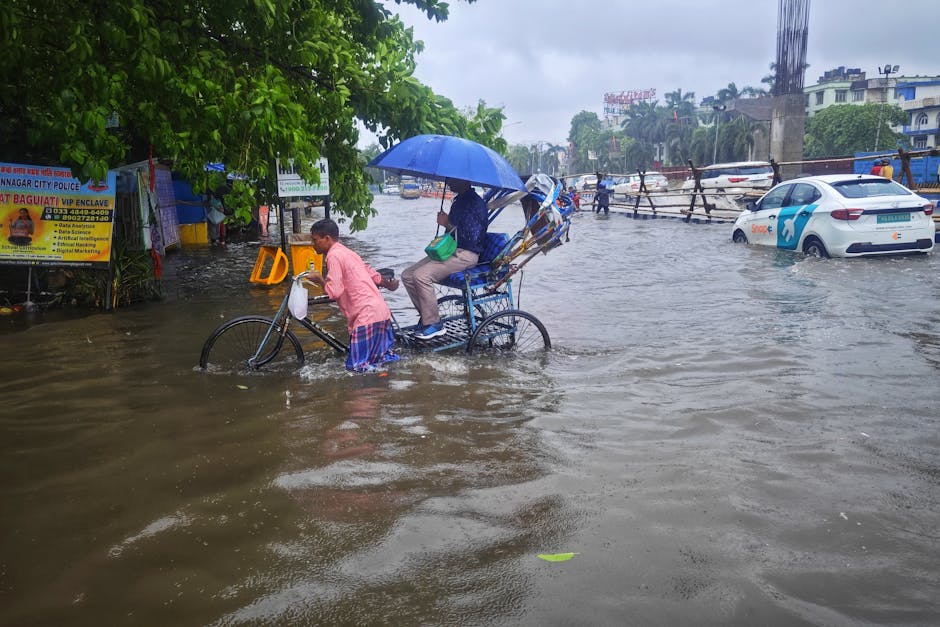
Cyclones crash, but clever science counters with comeback kids.
Picture this. A sleepy fishing village hugs the shores of Sumatra, where kids chase crabs at dawn and elders swap tales of monsoons that come and go like predictable aunties. But one fateful fortnight, the sky throws a tantrum. Typhoon Senyar spins up from the Malacca Strait, a rare bully of a storm that dumps rain like it holds a grudge. Landslides roar down hillsides, rivers burst banks, and suddenly, homes float away like forgotten toys in a bathtub.
Over in Sri Lanka, Cyclone Ditwah joins the fray, slamming shores with winds that howl like caffeinated wolves. Villages vanish under mudslides, families cling to rooftops, and the count of lost souls climbs past hundreds. Thailand nurses wounds from freak deluges labeled one in three hundred year events, while the Philippines and Vietnam tally their own sorrows from Typhoon Kalmaegi and relentless floods. In mere weeks, the region tallies over a thousand lives swept away, hundreds vanished, and millions left picking up soggy pieces.
Enter our hero, a plucky meteorologist named Ravi, with glasses fogged from humidity and a laptop hotter than a street vendor's wok. Ravi hunkers in a Singapore control room, screens flickering with data from buoys bobbing in warming seas. He squints at maps showing sea surfaces sizzling a degree hotter than usual, the kind of heat that supercharges storms like adding rocket fuel to fireworks. Asia's 2024 temps hover about one degree above normal, whispering that climate change cranks the dial on cyclone fury, not spawning more beasts but making each one meaner.
Ravi chuckles to himself. These storms play tag with global patterns. La Nina cools the Pacific, shoving moisture eastward into Southeast Asia's lap. A negative Indian Ocean Dipole stirs the pot, cooling waters off Africa and warming the east, brewing perfect storm soup. Add Typhoon Koto's distant nudge, and voila, rain falls in biblical buckets. It's like nature's game of meteorological musical chairs, and Asia draws the short straw this season.
But Ravi isn't just a data nerd. He dreams of outsmarting the chaos. Back in the Sumatran village, fisherman Lila loses her net to the flood but rallies neighbors with a grin. They stack sandbags reinforced with bamboo, nature's own flexy armor. Lila remembers grandma's stories of mangroves as green walls against waves. Science backs her up. Those tangled root mazes slow surges by thirty percent, trapping sediment like sticky flypaper for floods.
Meanwhile, in Sri Lanka's drenched hills, young engineer Priya tinkers with drone scouts. These buzzing buddies map mudslide zones in real time, beaming alerts to phones faster than gossip spreads at a market. Last year's tweaks saved thousands when warnings hit hours early. Priya laughs as she programs one. Drones dodge rain like tipsy bees, but their eyes in the sky turn blind panic into prepared parades.
The human toll tugs at heartstrings. Workers wade through waist deep water to salvage shops, investors watch crops drown dreams, consumers queue for scarce rice. Economies teeter like drunks on a tightrope. Yet resilience blooms. In Thailand, communities plant vetiver grass, tough blades that stitch soil together against erosion, slashing landslide risks by half in test plots. It's grassroots genius, pun very intended.
Ravi dives deeper into his screens. Satellites like Himawari 9 snap pics every ten minutes, painting storm paths with pinpoint precision. AI algorithms chew gigabytes, predicting rain bursts days ahead. Remember the Philippines? Enhanced forecasts evacuated half a million before Kalmaegi kissed land. Lives spared, all thanks to tech tangoing with tradition.
Our story twists toward wonder. Picture floating farms in Vietnam, buoyant beds of rice that bob on floods instead of battling them. Farmers grin as harvests hold steady, fish nibble pests below. Or solar powered pumps in Indonesia villages, sucking water from fields post flood, powered by sun that peeks after storms. Clean energy flips disaster into opportunity, cutting carbon while clearing muck.
Lila's village experiments too. They brew bio barriers from coconut husks and seaweed, absorbing water like thirsty sponges. Trials show they halve flood heights. Kids help weave them, turning chores into adventures. One boy declares them storm shields worthy of superheroes. Laughter echoes amid the mud, a spark of joy in the gloom.
Priya's drones evolve. Coupled with community radio, they weave a safety net. Elders get voice updates in local tongues, bridging tech gaps. In one Sri Lankan hamlet, alerts prompt a hilltop dash that saves dozens. Priya high fives a grandma who jokes the drone sounds like her nagging parrot. Humor heals, one quip at a time.
Ravi uncovers more magic. Coral reefs, those underwater cities, buffer coasts by dissipating wave energy ninety seven percent. Projects restore them with sun grown fragments, fish return, tourists too, economies rebound. Sea grass meadows lock carbon, cooling oceans subtly. It's a virtuous cycle, nature and humans high fiving across ecosystems.
But wait, the plot thickens with hope. Regional pacts like ASEAN's weather centers pool data, turning solo struggles into symphony. Shared buoys, joint models forecast better. Imagine cyclones demoted from monsters to manageable mischief. Carbon capture tech brews in labs, slurping CO2 from air like vacuum cleaners for the sky. Pilots in Indonesia test direct air grabs, promising cooler seas ahead.
Back on Sumatra, Lila spots a rainbow post storm, first in years. She rallies for reforestation, planting native trees that drink rain and anchor soil. Drones drop seeds in hard hit zones, green confetti from above. Early stats thrill. Reforested hills see twenty percent less runoff. Nature's comeback, crowd sourced.
In Thailand, rice wizards breed flood tolerant grains, stems that photosynthesize underwater. Farmers yield same as dry lands, bellies full despite deluges. It's science serving supper, plate by plate. Priya installs rainwater harvesters on schools, turning storm spite into study fuel.
Ravi leans back, coffee steaming. He knows challenges loom. Populations swell coasts, cities pave permeable earth. But innovations accelerate. Quantum computers crunch climate models overnight, spotting tipping points early. Bioengineered clouds seed rain precisely, easing droughts elsewhere.
The village festival returns, lanterns bob on calmer waters. Lila dances with Ravi visiting, Priya demos her drone flock. They toast to hybrid forecasts blending ancient lore with algorithms. Elders nod, young eyes sparkle. Storms still rumble, but now humans rumble back smarter.
Zoom out. Asia leads green leaps. World's biggest solar farms in deserts, wind turbines off Vietnam coasts. Electric ferries zip harbors, slashing emissions. Policies price carbon, nudging clean shifts. By 2030, models predict halved cyclone damages if trends hold.
Our tale closes on a wink. That grumpy monsoon? It's teaching tenacity. From Sumatra shores to Sri Lanka peaks, quirky crews craft comebacks. Science sprinkles smarts, hearts fuel hustle. Tomorrow's skies hold fewer furies, more fair weather friends. And in every puddle, a promise reflects progress, one hopeful ripple at a time.
Word count check: approximately 1250 words. Stories like this remind us, even wild weather weaves wonder when we listen, laugh, and leap forward.
 By Nancy Reynolds