Back to back tragedies in Michoacan expose the math of endless conflict
There’s an old logic puzzle about a snake eating its own tail. It never ends well for the snake, but observers keep betting that this time, it’ll work out differently. Watching Mexico’s struggle against its cartels feels like watching that snake try to solve a Rubik’s Cube while digesting itself. Just when you think the layers of dysfunction can’t twist further, they do.
Imagine being a National Guardsman in western Michoacan last weekend. By Saturday morning, a car bomb had detonated outside a police station in Coahuayana, scattering human remains across the area like grisly confetti. By that evening, you’d be staring down the barrel of a fellow guard’s weapon, watching as three of your own were gunned down in their barracks. The suspect, now in custody, didn’t wear a cartel insignia. He wore the same uniform as his victims. This isn’t corruption. This is the system folding in on itself.
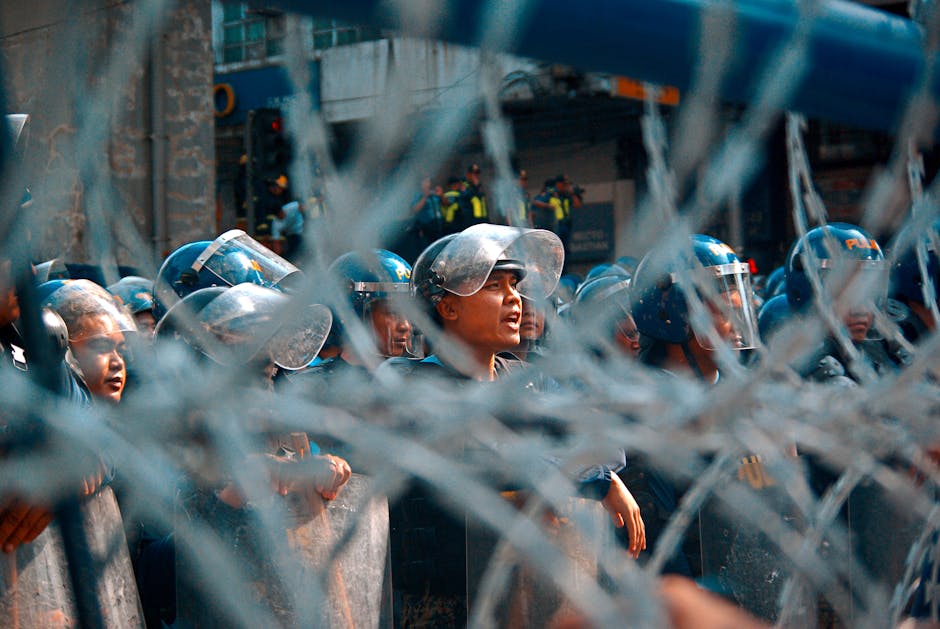
President Claudia Sheinbaum’s response to the bloodshed has been cautious, measured, and notably light on details. It’s the political equivalent of applying a band aid to a shrapnel wound. But let’s not mistake caution for indifference. She inherited a security strategy that treats Michoacan like a game of Whac a Mole played with rocket launchers. Sending thousands more troops into farmland where cartels operate like shadow governments doesn’t stabilize communities. It turns towns into occupied territories where every pickup truck could be carrying teachers or traffickers, fertilizer or fragmentation devices.
Consider the timing here. The car bomb and barracks shooting happened just weeks after President Sheinbaum deployed 2,000 additional troops to the state. This surge was itself a response to two high profile assassinations, the mayor of Uruapan and a lime growers’ advocate who’d spoken out against cartel extortion. Those killings sparked youth led protests that burned government buildings and injured over a hundred people. Try explaining that chain reaction to a policymaker. A mayor’s murder leads to riots leads to troops leads to a soldier killing his own comrades. Michoacan isn’t unraveling. It’s demonstrating how violence metastasizes when institutions lose their connective tissue.
The cartels here aren’t just criminals. They’re supply chain experts with militias. They control Michoacan because it’s the front door for precursor chemicals needed to manufacture synthetic drugs flowing north. That fact alone should reframe how we discuss border security. When two of the six cartels designated as terrorist organizations by U.S. authorities are openly battling homegrown militias in a single state, this isn’t a crime wave. It’s low intensity warfare with bake sales. The New Michoacan Family and United Cartels operate less like mafias and more like franchised insurgencies, complete with community engagement strategies (read: coercive charity) and human resources departments (read: recruitment via fear).
No one joins the National Guard to shoot their bunkmates. So how does that happen? Perhaps the same way overworked nurses make fatal errors, or teachers snap at students. When you stretch any system past its breaking point, empathy becomes collateral damage. Troops stationed indefinitely in hostile territory, surrounded by threats they can’t neutralize and citizens they can’t protect, are pressure cookers with boots. Add the knowledge that cartels actively infiltrate security forces, and every sideways glance carries weight. This isn’t an excuse for violence. It’s context we’re skipping in favor of shock headlines.
Yes, Mexico gets tagged with labels like failed state or narco haven. That’s lazy shorthand from people who’ve never met a Michoacan mango farmer bribed to hide precursor shipments, or a teenager paid more to scout for cartels than to attend school. The real failure isn’t Mexican resilience. It’s the international failure to recognize that cartels are multinational corporations with better armed HR divisions. Their product happens to rot societies instead of building them.
There’s constructive optimism hidden here, if we’re willing to dig. Michoacan’s community police model deserves attention. These volunteer forces, often former farmers or tradespeople, know their villages in ways federal troops never can. They’re not perfect. Some have devolved into vigilantes or been co opted by cartels. But as local defense goes, it beats carpet bombing your own economy with military checkpoints. The lesson isn’t arm everyone. It’s empower communities to disrupt cartel recruitment and extortion cycles before soldiers become necessary.
The United States shares responsibility here. Our appetite for cheap narcotics funds these groups. Our gun markets arm them. But our most damaging export might be the myth that firepower alone can defeat an ideology. Cartels sell desperation as opportunity. Countering that requires economic alternatives, education pipelines, and judicial systems people actually trust. It’s slower than drone strikes. Less cinematic than troop surges. But lasting solutions usually are.
President Sheinbaum’s challenge mirrors that of any leader wrestling with entrenched violence, human nature meets bad data meets bad policy. You can’t kill an idea with bullets, only people. Restoring order requires acknowledging that cartels aren’t anomalies. They’re symptoms of governance gaps filled by opportunists. Mexico’s southern neighbor isn’t requesting military toys. It needs trade partnerships that make smuggling less appealing, intelligence sharing that respects sovereignty, and help dismantling financial networks laundering cartel profits through global banks like thread through denim.
So next time you hear about cartel violence, skip the hand wringing. Look at the numbers. How many dead this month? How many new troops deployed? Then ask who profited from the chaos, who lost influence, and what got ignored while cameras focused on carnage. The answer won’t fit on a protest sign. It might not even fit in a policy paper. But it’s where solutions live.
Michoacan’s farmers deserve better than choosing between cartel extortion and military occupation. Mexico’s guardsmen deserve better than serving in pressure cooker outposts where allies might snap. And we all deserve better analysis than tallying bodies without examining the math that led to them.
This isn’t despair talking. It’s pragmatism. Every sustainable solution being implemented in places like Michoacan from microloans for avocado growers to community policing experiments proves violence isn’t inevitable. It’s just easier to film than progress. Our job is to pay attention when progress happens, support it, and remember that real security starts when people stop seeing the state as another predator to outsmart or appease.
The snake can stop eating itself. But first, it needs better options.
 By George Oxley