A Singaporean writer just schooled the food world on whose culinary history matters
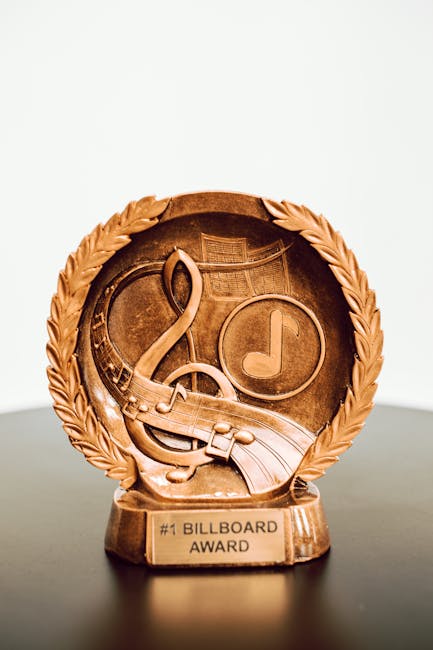
Let's talk about the quiet earthquake that just rocked the food world. Khir Johari, a Singaporean author and historian you've probably never heard of unless you've spent time obsessing over spice routes and grandmothers' kitchen secrets, just won the Gourmand Cookbook Awards' top prize. They call it the Oscars of food publishing. Think of it as the moment when Martin Scorsese finally got his statue, but with more rendang.
Johari's "The Food Of Singapore Malays: Gastronomic Travels Through The Archipelago" beat out every fancy French pastry tome and Italian pasta manifesto from the past thirty years. Let that sink in. A 624 page love letter to Malay culinary traditions, eleven years in the making, just became the most celebrated cookbook on the planet. If this doesn't make you want to throw confetti while steaming a pandan cake, I don't know what will.
Now here's the spicy bit we need to chew on properly. Why does it feel shocking when non Eurocentric food stories get this level of global applause? We'll happily queue for hours at some Nordic pop up praising their "revolutionary" fermented herring, but act surprised when centuries old Southeast Asian foodways get recognized as high art. This win feels like cultural vindication served on a banana leaf.
I got my paws on Johari's magnum opus last year during a desperation search for authentic laksa recipes. What arrived wasn't just instructions for coconut broth. It was a doctoral thesis on migration patterns told through belacan shrimp paste. A photographic journey showing how war and trade shaped what grandmothers stir into pots today. Reading it felt like finally getting the family gossip about that mysterious great aunt, except the aunt is an entire region's culinary identity.
Remember when people used to call Asian food "ethnic cuisine" like it was some niche hobby instead of civilization bedrock? This book laughs in the face of that condescension. Johari treats makmur cookies and beef dekang with the scholarly reverence others reserve for Bordeaux vintages. His photos document kitchen tools disappearing from modern HDB flats. This isn't just food anthropology. It's culinary archaeology saving flavors from extinction.
Here's my controversial quibble though. Why did it take an Oscars equivalent pat on the back to make us value our own backyard food histories? Malaysians and Singaporeans have been worshipping these flavors since birth. I grew up thinking every neighborhood had a makcik selling kuih lapis from her front gate. But until some French publishing guru slaps a gold sticker on the cover, do we treat these traditions as "important"? That's the bittersweet aftertaste here.
Watching Johari's victory lap gives me hope for other culinary underdogs. Suddenly, that tattered notebook where your Thai grandma scribbled curry ratios looks like potential Booker Prize material. That Venezuelan auntie's handwritten arepa instructions? Could be tomorrow's gastronomic holy grail. This win proves food stories buried in family lore and street market chatter deserve museum quality preservation.
Someone hand me a tissue because I'm getting nostalgic. My own Peranakan great grandmother took her legendary sambal recipe to the grave because "who would care about old woman's cooking?" That loss stings sharper now. Johari's win screams that every discarded recipe card matters. Those fading food memories? They're time capsules of survival, adaptation, love.
Now for the messy truth. Celebrity chefs dominate food media with their slick TV shows and designer aprons, while scholars like Johari work in quiet obscurity for years. His book originally dropped in 2021 to local applause, but the Gourmand crown catapults it onto the global stage. Suddenly CNN Food wants interviews. This mirrors how sistah girl Brene Brown became "legitimate" only after TED Talks came knocking. Validation should be unnecessary for work this deep, but man does it help shift perceptions.
The location of his big win adds delicious irony. Saudi Arabia hosted the Gourmand Awards this year. There's something poetic about Malay culinary heritage getting its flowers in a region connected by centuries of spice routes yet often overlooked in "world cuisine" discussions. Imagine Johari clutching his award while the scent of cardamom coffee drifted through Riyadh air. History does love a full circle moment.
Let's address the invisible labor here. Eleven years researching. Four hundred photographs documenting disappearing techniques. Thirty two recipes tested across generations. This isn't some influencer slapping together "30 Minute Nonya Dishes!" for IG clicks. Real cultural preservation requires obsessive dedication. It makes Jiro's sushi devotion look like a weekend hobby.
Food media's next move will be telling. Will publishers chase more regional storytellers now that Johari's broken the ceiling? Or will they default back to fancy European patisserie porn? My bet? We'll see a flurry of "discovering hidden food gems" pitches that miss the point entirely. Authenticity can't be trend hopped. You either care about culinary lineage, or you're just hunting exotic props.
Ultimately, Johari's trophy is about more than pretty cookbooks. It's about who controls the narrative of nourishment. For too long, Southeast Asia's culinary contributions got reduced to "street food" tags while French techniques sat on Michelin thrones. This win shouts that complex foodways existed long before white chefs "elevated" them. Real elevation was there all along, in stone pestles and coconut graters wielded by unsung kitchen heroes.
As I lick leftover kuih crumbs from Johari's recipe tests off my fingers, I'm fantasizing about ripple effects. Maybe Penang assam laksa stalls will get Smithsonian exhibits. Perhaps Filipino adobo variations will get their own doctoral dissertations. Imagine Indonesian jamu herbalists becoming TikTok famous for all the right reasons.
One man's obsession with his heritage just rewrote global food history's priorities. That's worth celebrating with something stronger than champagne. Pass the teh tarik, please. Extra frothy.
 By Rachel Goh