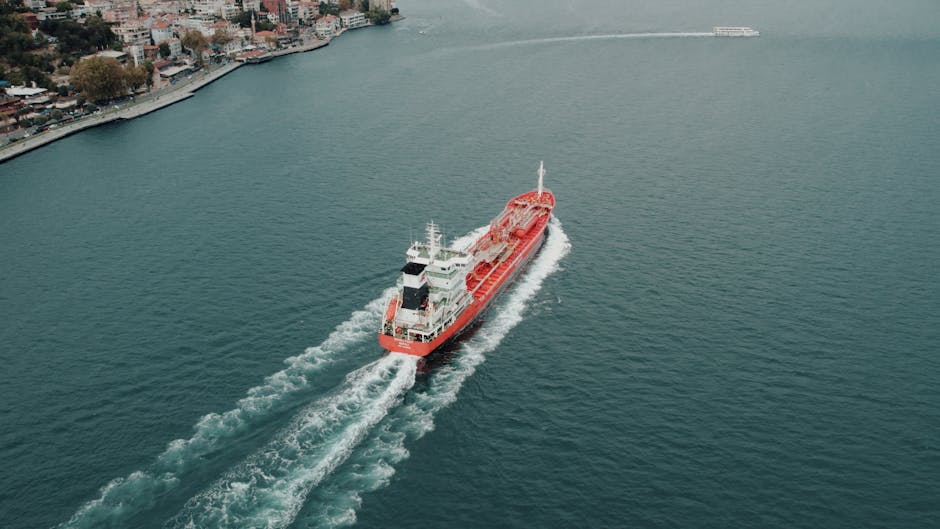
When oil tankers become geopolitical chess pieces between Washington and Beijing.
Eh folks, got something spicy to discuss today lah. Imagine you're sipping kopi at Tekka Centre when news breaks that American sailors just intercepted a tanker near Venezuela carrying oil meant for China. What happens next ah? Diplomatic fireworks, accusations of piracy, and the kind of drama that makes our local ah beng squabbles look very tame indeed.
Here's the chicken rice takeaway. America suddenly decided to play maritime police officer last week, grabbing a tanker called Centuries (sibeh dramatic name right?) loaded with Venezuelan crude sailing toward China. Beijing immediately accused Washington of violating international law, while Caracas screamed "international piracy" louder than aunties arguing over wet market discounts. Quite the wayang, don't you think?
The backstory here more complicated than trying to renew Malaysian road tax before holiday season. See, America slapped sanctions on Venezuela ages ago, while China kept buying their crude through middlemen cleverly named things like Satau Tijana Oil Trading (sounds like stall name at Geylang Serai bazaar). This tanker allegedly got creative with its name too, trying a "Crag" disguise like some kind of ocean going Transformer.
Now comes the part that affects us kopi drinkers across ASEAN. China swallows about 4% of Venezuelan exports, oil that keeps tires rolling and factories humming across the Pearl River Delta. When big powers clash over tankers, small dominoes start falling everywhere. Remember how our neighbour Malaysia nearly went nuts when palm oil shipments got delayed last year? Same same but different.
The White House calls this enforcing rules, but Beijing sees red flags flapping where there should be free seas. It's like when two uncles argue over void deck chess rules everyone pretends to understand the game but actually all just want to save face. Meanwhile, Venezuelan sailors caught in between must be sweating more than tourists at Orchard Road midday.
And ah, the timing. Southeast Asian markets already nervous about China' energy needs bumping against American sanctions. Remember Indonesian palm oil drama last monsoon season? Now imagine similar supply headaches but with crude oil shipments zigzagging through our Malacca and Singapore Straits lifeblood. Suddenly that bak chor mee price hike feels small fry.
What's fascinating is how differently Washington and Beijing read their maritime rulebooks. America plays the sanctions enforcer role like neighborhood watch captain (complete with metaphorical flashlight and whistle), while China invokes UN Convention Law of Sea articles like primary school kid reciting multiplication tables. Both claim righteousness, both accuse the other of bad faith.
Here's where we regional bystanders must watch carefully. China relies heavily on these "shadow fleet" tankers for sanctioned oil, while ASEAN refiners quietly benefit trickle down supplies through unofficial channels. Singaporean middlemen listening up? Time to check your compliance papers triple time before contracts sign off.
The workers bearing real cost though. Not fancy diplomats exchanging angry memos, but the ship crews facing detention and Venezuelan oil patch workers wondering if next paycheck arrives. On micro level, this drama hits harder than durian season price hikes. And let's not ignore our Malaysian and Indonesian coastal communities where illegal bunkering already tempts struggling fishermen.
Yet there's reason for optimism lah. Remember when Thailand mediated ASEAN peace initiatives during Cambodian crisis? Or how Singapore helped draft UN maritime dispute guidelines? Quiet regional diplomacy could provide off ramp here. Chinese refineries might pivot to Malaysian and Bruneian supplies, easing pressure on sanctioned routes.
Meanwhile ASEAN economic ministers glancing nervously at crude oil price dashboards. Any prolonged shipping dispute risks reviving inflation ghosts we thought buried last year. And considering how Thai baht and Philippine peso already resemble kena bullied at currency markets, no wonder central bankers sending prayer offerings to trade god statues.
Final thought ah. This tanker tussle reveals how global rules based orders increasingly look like kopitiam menu items customizable to taste. America serves sanctions sambal while China offers multipolar oyster sauce. Smaller nations navigate these clashing flavours carefully, lest we become the rojak ingredients mixed beyond recognition.
But Singaporeans know something about making tasty rojak from opposing elements right? Our diplomatic tradition of finding sweet sour balance between powerful friends suddenly seems very useful again. Maybe time to offer mediation services along with our port facilities and financial expertise. Who knows? Might earn merit points while cooling heated tempers out at sea.
So next time you see tankers queueing outside Jurong port, remember each steel hull carries stories more complex than your last office politics saga. From Venezuelan oil fields to Chinese refineries to American sanctions paperwork, everything eventually connects to our shared tides. Maybe buy that extra kopi for tired seafarers ashore, they're navigating storms most landlubbers never see. Selamat jalan, everyone. Watch this space.
 By Jun Wei Tan