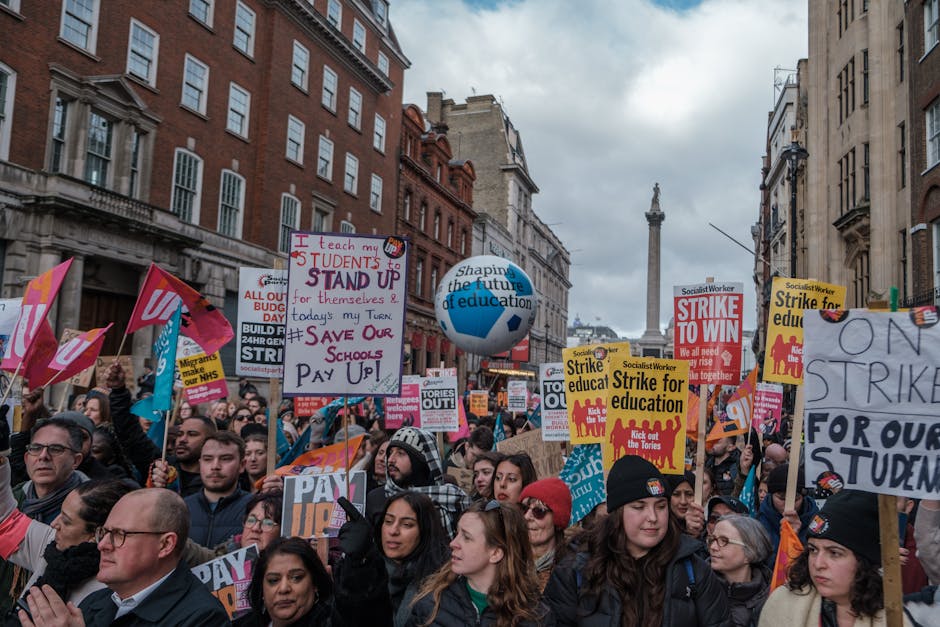
Strained Voices Behind the White Coats
In the dim glow of a Sheffield hospital waiting room at 3 a.m., Marjorie Caldwell shifts uncomfortably in a plastic chair designed for 20 minute visits, not all night vigils. Her husband Thomas has been waiting 14 hours for a bed. Flu outbreaks have closed three wards. Now the TV news scrolls warning of resident doctor strikes that could cancel his cancer surgery next week. She wonders absently why no one mentions the young physician who checked Thomas’ vitals twice overnight the woman with shadows under her eyes who apologized for the delays. Who advocates for her
This invisible human calculus persists as England teeters toward another healthcare precipice. The government’s eleventh hour proposal to avert next week’s five day resident doctor strike offers superficial concessions while ignoring the rot beneath. They promise 4,000 additional specialist training posts by 2028, a swift prioritization of UK educated doctors, reimbursement for exam fees. Conspicuously absent wages still languishing nearly 20 below their 2008 purchasing power despite three turbulent pandemic years where these physicians risked everything.
We must interrogate why policymakers frame fiscal restraint as virtuous when applied to human sustenance but find billions for private outsourcing. The Health Secretary’s moral outrage at union tactics rings hollow while his department quietly contracts agency nurses at triple the cost of staff positions. When he declares resident doctors have already received ‘nearly 30 pay rises’ without context, he weaponizes partial truths. That figure over three years merely counterbalanced inflation’s relentless consumption leaving real terms compensation gutted. Now he threatens to withdraw even these modest training reforms if strikes proceed, holding professional development hostage to compliance.
Consider the psychological toll this brinkmanship imposes on frontline healers. Dr. Anika Desai remembers collapsing in an on call room after a 26 hour shift during COVID’s delta wave, her shoes still coated in the dried blood of a coding patient. ‘We traded sanity for duty,’ she whispers. ‘Now they call us greedy.’ The current offer’s training expansion vague promises feels like salt in wounds still raw from pandemic neglect. Of course more residency slots matter, but not without addressing why 42 of UK medical graduates now explore emigration options. Australia offers 78 higher base pay, Canada 67.
The government’s emergency legislation favoring locally trained doctors exemplifies policy hypocrisy writ large. After decades extolling the NHS as a global beacon built by immigrant hands now ministers scramble to exclude foreign talent. Current rules rightly judge applicants by merit, not passports. Yet with 30,000 doctors vying for 10,000 specialty positions, fear curdles into xenophobia. Imagine the Punjabi trained physician who sold farmland to take a rural NHS post now told her competence matters less than her accent. This slippery slope jeopardizes a system already reliant on overseas staff filling 28 of doctor roles.
Strategically, the timing reveals equal cynicism from both sides. Launching a member survey two days before strikes guarantees maximal disruption already underway. Canceled surgeries carry irreversible consequences. Mrs. Chen’s postponed hip replacement means six more months confined to her flat watching pigeons from the window. Teenager Liam Evans’ cancer resection delay could alter prognosis. Yet unions rightly note that disruption powers leverage. During 2016 strikes, capitulation came only after hospitals activated costly emergency protocols. Diplomacy without pressure yields empty words, a lesson learned through repeated betrayals.
But what of the social contract unraveling here As we normalize healthcare strife, public empathy fractures. Comments sections fill with vitriol calling doctors overpaid elitists, ignoring their average 16 hour days. Few note that resident physicians earn less per hour than most London plumbers while shouldering life death decisions. This manufactured resentment between exhausted staff and frightened patients serves only those dismantling universal care. Private providers hover like vultures, eager to proclaim the NHS unsustainable while lobbying for lucrative contracts.
History warns us what comes next. The 1980s American healthcare corporatization began with similar union demonization and wage suppression. Now their physicians battle insurance algorithms while patients ration insulin. We stand at the same crossroads, winters deadlier than ever with a depleted workforce. Last year’s excess deaths hit 50,000, many attributable to delayed care during strikes. When does tactical disruption become collective trauma
A healing path requires courage from all. Government must acknowledge that training slots alone cannot nourish professionals hollowed by moral injury. Unions should weigh immediate gains against long term trust erosion with the public. And citizens must reject simplistic narratives, remembering that doctor wellbeing directly correlates with patient outcomes.
Marjorie still waits in that Sheffield ward. The resident doctor slips her a tea, apologizing again. Both women’s hands shake, one from exhaustion, the other from fear. Their quiet exchange wards off despair. In these micro moments of solidarity lies the remedy no legislation provides. The promise that we might still choose each other.
 By Helen Parker