The battle for Melbourne's heart pits tradition against globalization, with fans caught in the middle.
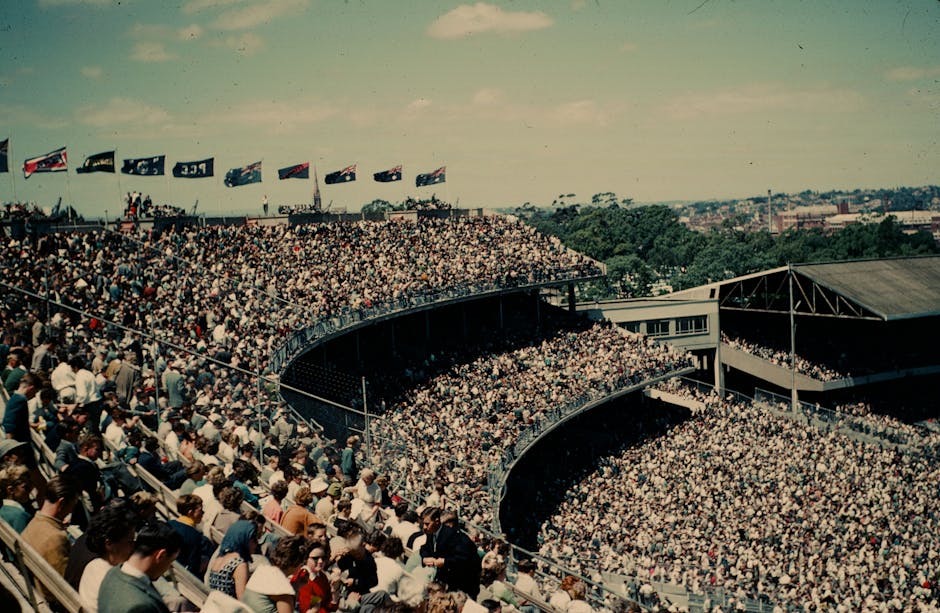
The MCG has always been more than just a stadium. It's a temple, a gathering place, a stage where Australian football's most sacred moments unfold. For generations, September has belonged to the AFL finals series, a time when hope and heartbreak walk hand in hand across that hallowed turf. But now, an approaching storm threatens to rewrite tradition. The NFL's plans to bring a regular season game to Melbourne in early September 2026 could force the AFL into a scheduling nightmare, and the real cost won't be measured in broadcast slots or ticket sales. It'll be felt in the stands, in pubs, in living rooms across the country, wherever people have built their lives around the rhythms of Australian football.
Consider what we're really talking about here. This isn't some minor fixture reshuffle. We're potentially looking at disrupted finals, altered traditions, maybe even a shifted Grand Final date. The Victorian Premier insists there won't be a clash, but the uncertainty alone speaks volumes about who holds power in modern sports. When an American football game can loom so large over Australia's indigenous code, it forces us to ask uncomfortable questions about priorities, about commercial pressures versus cultural heritage.
The proposed date, September 11, would likely fall during the AFL semi finals. Picture this scenario. Two Victorian teams earn home finals. The MCG, their rightful stage, might need to accommodate an NFL game just days before or after. The logistics are daunting, yes, but the emotional impact runs deeper. These finals aren't just events. They're landmarks in people's lives. The shared experience of gathering for September footy connects families, reunites old friends, sparks conversations that last decades. To disrupt that for an exhibition from another sport, another culture, feels like more than just scheduling quirk. It feels like a small betrayal.
Eddie McGuire's suggestion to shift the entire AFL season later seems reasonable on paper. But Australian rules football has always been a game of seasons, literally and metaphorically. The Grand Final in late September coincides with the spring racing carnival, with the turn of the weather, with the rhythms of Australian life. To move it to October for the sake of an NFL game would be to acknowledge that our traditions are negotiable when faced with global sporting might.
Then there's the question of the surface. MCG officials insist they can handle the quick turnaround between codes, but anyone who's seen that sacred turf after a wet winter knows how precious it is. Australian football is a game of precise footing, of daring leaps, of grass that must hold just so. To risk that for a sport played with armored giants seems somehow symbolic of the whole conflict.
Perhaps what stings most is the sense that this isn't really about Australian fans at all. The proposed Friday morning slot makes perfect sense for American prime time television, but leaves Melbourne supporters in an awkward position. Will workers take time off to attend? Will families keep kids home from school to witness history? Or will the stands quietly confirm what many fear. That this venture is more about planting a flag than serving a community.
None of this is to deny the excitement many feel about the NFL coming to Australia. The spectacle will be incredible. The athleticism astounding. But in the rush toward globalization, we risk overlooking what we might sacrifice. The AFL isn't just a product. It's a culture, an identity, a thread that connects generations. When we rearrange traditions to accommodate foreign interests, we should at least pause to consider the cost.
The committee being formed to resolve this clash will presumably weigh logistics, revenue, contracts. But will they consider the father who's taken his son to the same semifinal spot for fifteen years? The mother whose September ritual involves pies from the same vendor, cheers with the same strangers turned friends? These small human moments, accumulated over decades, are what make sport more than entertainment. They make it home.
There's no villain in this story, no mustache twirling executive plotting to undermine Australian rules. Just the inevitable friction that occurs when global sports business meets local passion. But in navigating this collision, the AFL would do well to remember who built the code, who sustained it through lean years, who will be there long after the NFL's novelty fades. The answer, as always, lies in the stands.
The solution may involve compromise. Perhaps an earlier start to the AFL season. Maybe creative scheduling to preserve finals integrity. But whatever the technical resolution, the principle should be clear. Australian football's soul belongs to those who've loved it longest. However we square this circle, that truth must remain untouched.
 By Oliver Grant